



What's Happening?
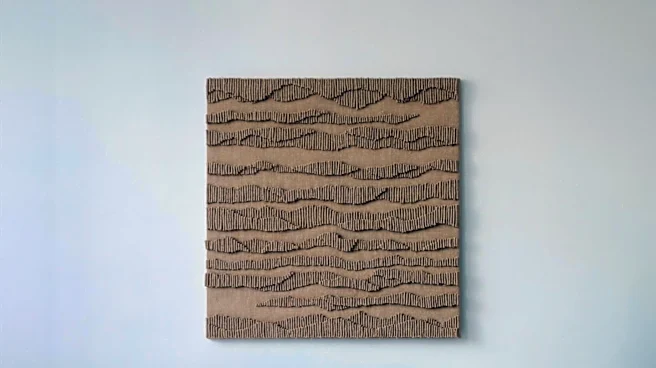
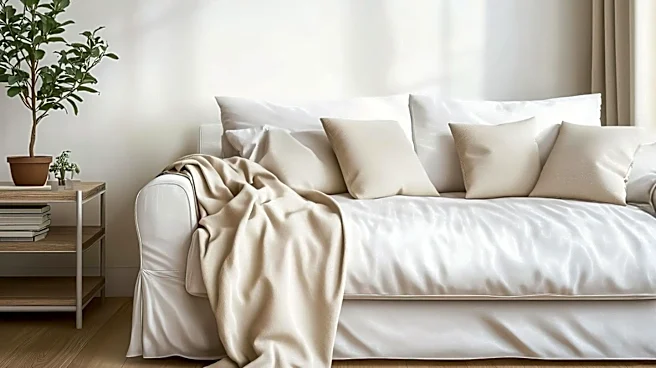
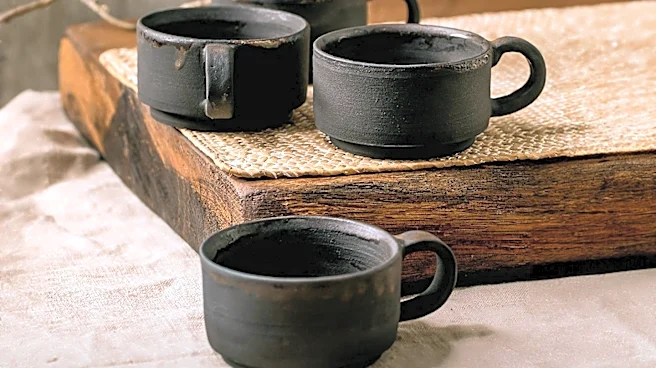
Wabi-sabi style is an aesthetic philosophy that values imperfection, simplicity, and the natural process of aging. This design approach focuses on creating calm compositions, utilizing organic forms, and incorporating subtle textures to achieve a sense
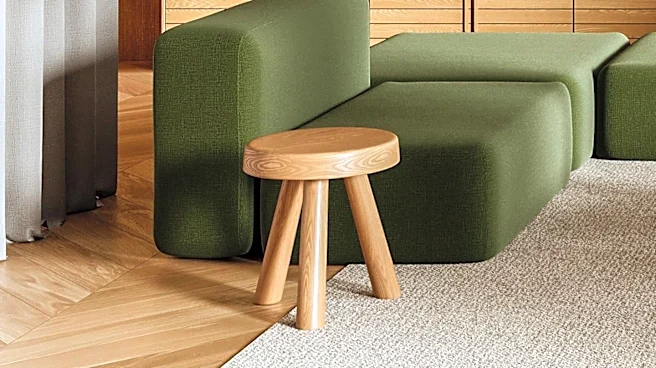
of balance and quiet presence within a space. The style predominantly features earthy, neutral color palettes, including shades like beige, sand, clay, warm white, stone grey, and soft charcoal. It is frequently applied in various interior settings such as living rooms, bedrooms, and entryways, aiming to introduce softness, tranquility, and a refined focal point. Wabi-sabi is often noted for its harmonious compatibility with Japandi style, which similarly integrates neutral colors, natural wood elements, minimalist lines, and serene environments.
Why It's Important?
The growing popularity of wabi-sabi in U.S. interior design and architecture reflects a broader cultural shift towards valuing authenticity and sustainability over pristine perfection. This aesthetic encourages consumers and designers to appreciate the inherent beauty in natural materials and the passage of time, potentially influencing manufacturing processes to favor less processed, more organic finishes. For the U.S. home furnishings and decor industries, this trend could lead to increased demand for handcrafted items, vintage pieces, and materials that show their age gracefully. It also offers an alternative to fast-paced, trend-driven consumption, promoting a more mindful approach to decorating and living spaces. This emphasis on natural elements and simplicity can also contribute to creating more calming and less stimulating environments, which can have positive impacts on mental well-being in increasingly busy American lifestyles.
What's Next?
The continued integration of wabi-sabi principles into U.S. design is likely to manifest in several ways. We can expect to see more furniture and decor lines featuring raw, unfinished wood, natural fibers, and ceramics with intentional imperfections. Architectural designs may increasingly incorporate exposed natural materials and emphasize natural light and organic flow. Educational programs in design schools might also place a greater focus on sustainable and mindful design philosophies, including wabi-sabi. Furthermore, as consumers become more aware of the environmental impact of their choices, the demand for durable, timeless pieces that embody the wabi-sabi ethos of appreciating wear and tear is expected to rise, potentially influencing retail strategies and product development across various sectors.
Beyond the Headlines
Beyond its immediate aesthetic appeal, the wabi-sabi philosophy carries deeper cultural and psychological implications for U.S. society. In a culture often driven by the pursuit of newness and perfection, wabi-sabi offers a counter-narrative, encouraging acceptance of transience and the beauty of the imperfect. This can foster a more forgiving attitude towards personal spaces and possessions, reducing pressure to maintain an immaculate appearance and promoting a sense of contentment with what is. Ethically, it aligns with principles of sustainability by valuing longevity and natural materials, potentially reducing waste and promoting conscious consumption. Culturally, it introduces a Japanese aesthetic and philosophical concept that can enrich American design discourse, encouraging a more nuanced understanding of beauty and value beyond conventional Western ideals.