





What's Happening?
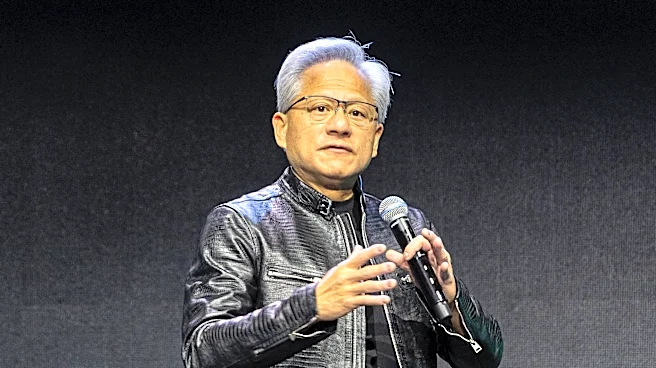
The Seoul Southern District Prosecutors' Office has requested the Seoul Metropolitan Police Agency's anti-corruption investigation unit to conduct a supplementary investigation into former Coupang CEO Park Dae-jun. Park is accused of giving false testimony
during a National Assembly hearing regarding allegations that Coupang concealed a workplace injury involving Jang Deok-jun, a logistics center worker who died in October 2020. The investigation also includes his testimony about a personal data leak. The National Assembly's Science, ICT, Broadcasting, and Communications Committee had previously filed complaints against several executives, including Park, Coupang interim CEO Harold Rogers, and Coupang board chairman Bom Kim, for alleged violations of the National Assembly Testimony and Appraisal Act. While police initially referred Park and Coupang Vice President Cho Yong-woo to prosecutors, and also Coupang auditor Yoon Hye-young for perjury, they found insufficient grounds against Rogers and Kim and did not refer their cases.
Why It's Important?
This development highlights the ongoing scrutiny faced by major e-commerce companies regarding workplace safety and corporate transparency. The allegations against a former CEO of a prominent company like Coupang, concerning the concealment of a workplace injury and false testimony, can significantly impact public trust and corporate governance standards. For U.S. companies operating internationally or considering expansion into markets with similar regulatory frameworks, this case serves as a cautionary tale about the importance of adhering to local labor laws and parliamentary inquiry procedures. The outcome of this supplementary investigation could set precedents for how executive accountability is enforced in cases of alleged perjury during legislative hearings, potentially influencing corporate behavior and legal interpretations in similar situations.
What's Next?
Following the prosecutors' request, the police plan to conduct further investigations into the allegations against Park Dae-jun. Once these additional inquiries are complete, the results will be sent back to the prosecutors' office for review. This process, known as a supplementary investigation, aims to gather more facts or evidence to strengthen the case. The outcome could lead to formal charges against Park, potentially resulting in legal proceedings and penalties if he is found guilty of perjury. The case will continue to be closely watched by legal experts and labor rights advocates, as it could influence future corporate accountability measures and the enforcement of testimony laws in legislative hearings.