





What's Happening?
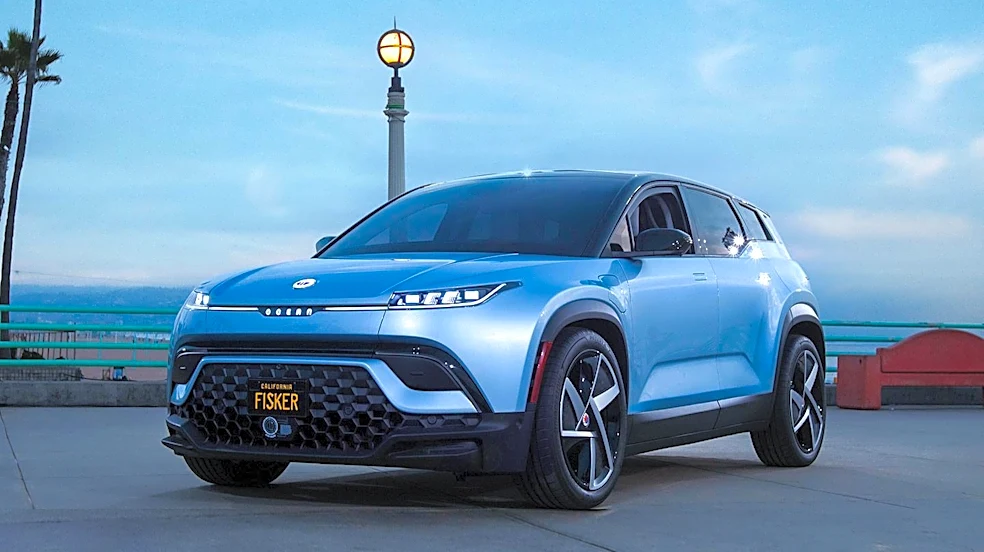
Fisker Inc, founded by Henrik Fisker, is currently navigating significant financial and production difficulties throughout 2023 and 2024. The company, which launched its Fisker Ocean SUV after securing a SPAC listing in 2020 and partnering with Magna
Steyr for production, has experienced stock declines and is engaged in restructuring discussions. This marks Fisker's second venture into the automotive industry, following the bankruptcy of Fisker Automotive in 2013 due to battery supply issues and damage from Hurricane Sandy. Despite these past challenges, Fisker Inc aimed to target the mass-market electric vehicle segment. The current situation has led to uncertainty regarding the company's long-term operational status, as indicated by recent public filings. The company's journey highlights the capital-intensive nature of the automotive industry, requiring substantial investment in tooling, safety testing, supply chains, and regulatory approvals before vehicle delivery.
Why It's Important?
The precarious situation of Fisker Inc underscores the intense competition and financial hurdles within the electric vehicle (EV) market. For the U.S. automotive industry, the struggles of a relatively new EV manufacturer like Fisker Inc can signal broader challenges in scaling production and achieving profitability amidst established players and emerging technologies. Investors in the EV sector may view Fisker's difficulties as a cautionary tale, potentially impacting future funding for other EV startups. Consumers who have purchased or considered Fisker vehicles might face concerns regarding long-term support, warranty, and resale value. The outcome for Fisker Inc could influence market perceptions of the viability of new entrants in the EV space, particularly those relying on contract manufacturing models rather than proprietary production facilities. This situation also highlights the ongoing need for robust financial planning and operational execution in the capital-intensive automotive sector.
What's Next?
The immediate future for Fisker Inc will likely involve continued restructuring discussions and efforts to stabilize its financial position. The company will need to address its production challenges and investor confidence to secure its long-term viability. Potential next steps could include seeking additional funding, exploring strategic partnerships, or making significant operational changes to improve efficiency and reduce costs. The market will be closely watching for any official announcements regarding its financial health, production targets, and strategic direction. The company's ability to overcome these obstacles will determine its capacity to continue as a player in the competitive electric vehicle market. Stakeholders, including investors, customers, and suppliers, will be awaiting clear communication on the company's path forward.
Beyond the Headlines
Beyond the immediate financial concerns, Fisker Inc's struggles reflect a broader trend in the automotive industry where innovative design and sustainable aspirations must contend with the harsh realities of manufacturing scale and market penetration. The company's emphasis on recycled materials and solar roof integration for its Fisker Ocean SUV aimed to differentiate it in a crowded market, appealing to environmentally conscious consumers. However, the ability to deliver on these promises at scale and profitably remains a significant challenge. This situation also raises questions about the effectiveness of SPAC mergers as a funding model for capital-intensive industries like automotive, where sustained investment and operational stability are crucial. The long-term implications could include a consolidation within the EV sector, favoring companies with deeper pockets and more established manufacturing capabilities, potentially limiting consumer choice for niche or design-focused EV brands.