



What's Happening?
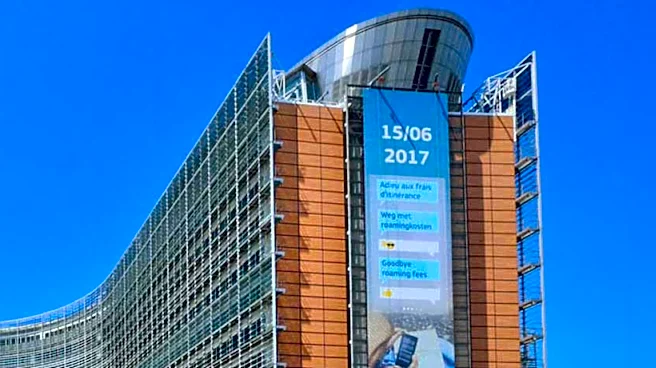
The European Union and Mercosur, a South American trade bloc, provisionally applied an Interim Trade Agreement starting May 1, 2026. This agreement, signed on January 17, 2026, after over two decades of negotiations, covers goods, tariffs, and rules of origin.
Under the terms, the EU will remove tariffs on approximately 95% of tariff lines, accounting for about 92% of Brazil's exports to the EU, either immediately or in stages over several years. Around 3% of tariff lines, representing 5% of exports, will be subject to quotas or partial reductions. Transition periods for tariff reductions vary by product, ranging from immediate elimination to a 12-year phase-out. For instance, a new quota for Mercosur beef is set at 99,000 tonnes with a 7.5% in-quota rate, to be phased in gradually. Early export results from May to September 2026 show a 21% year-on-year increase in Brazilian exports to the EU for products covered by the agreement, with significant growth in items like avocados, honey, and corn oil. Brazil's free trade agreement with the European Free Trade Association (EFTA) is also entering into force country by country, with agreements already applied with Iceland and Norway.
Why It's Important?
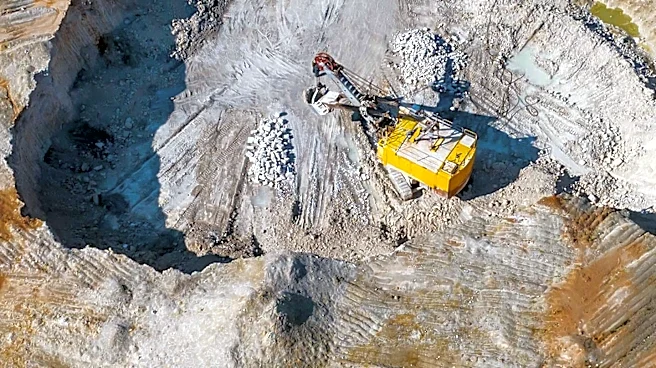
This interim trade agreement marks a significant shift in market access for both the EU and Mercosur countries, particularly Brazil, which is a major global supplier of agricultural, energy, and mining products. For Brazil, the agreement aims to diversify its export markets and reduce its reliance on a concentrated base of commodities and trading partners, such as China. The phased reduction of tariffs is expected to boost Brazilian exports to the EU, potentially increasing revenue and fostering economic growth. Conversely, European consumers and industries could benefit from increased access to Mercosur goods, potentially leading to lower prices and a wider variety of products. The agreement also sets a precedent for future trade relations between major economic blocs, highlighting a move towards greater global trade integration despite ongoing geopolitical tensions. The success of this agreement could encourage other regions to pursue similar trade liberalization efforts, impacting global supply chains and trade dynamics.
What's Next?
The full impact of the EU-Mercosur interim agreement will unfold as tariffs are progressively phased out over the coming years. Businesses in both regions will need to adapt to the new tariff schedules and rules of origin to maximize benefits. Exporters must ensure their products meet the specific origin rules, which can vary by product and may require changes in tariff classification or specific processing steps. Monitoring the implementation of quotas and partial reductions will also be crucial for affected industries. Further, the ongoing entry into force of Brazil's agreement with EFTA countries will continue to expand market access in Europe. Stakeholders will be closely watching for any adjustments or expansions to the agreement, as well as its influence on broader trade policy discussions between the EU and other South American nations. The agreement's long-term success will depend on its ability to foster sustainable trade growth and address any unforeseen challenges during its implementation.
Beyond the Headlines
The EU-Mercosur agreement extends beyond immediate tariff reductions, signaling a deeper commitment to economic partnership and potentially influencing geopolitical alignments. The emphasis on rules of origin highlights the increasing complexity of global trade, where the provenance of goods plays a critical role in determining market access and preferential treatment. This could encourage greater transparency and traceability in supply chains. Furthermore, the agreement's long negotiation period underscores the challenges of forging comprehensive trade deals between diverse economies, particularly concerning sensitive sectors like agriculture. The phased implementation allows industries time to adjust, but also means that the full economic benefits will not be realized immediately. This gradual approach reflects a pragmatic strategy to manage potential disruptions and ensure smoother integration. The agreement also implicitly addresses the broader trend of regional trade blocs seeking to strengthen their economic ties in a global landscape marked by shifting trade policies and protectionist sentiments in some areas.