





What's Happening?
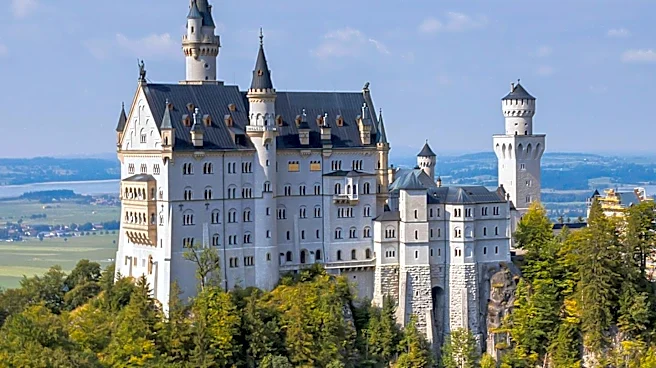
The iconic Sleeping Beauty Castle, a centerpiece of Disneyland and the ubiquitous logo of Walt Disney Pictures, was inspired by the Neuschwanstein Castle in the Bavarian Alps of Germany. Walt Disney and his wife Lillian toured Europe, including a stop
at this magnificent structure, and Disney was reportedly impressed by its skyscraping turrets and towers. The Neuschwanstein Castle itself has a unique and somewhat tragic history, having been dreamed up by an eccentric opera fan, King Ludwig II of Bavaria, who was later declared a madman before his mysterious death. The castle was originally conceived as an architectural love letter to German composer Richard Wagner and was never intended to be open to the public by its creator. Today, Neuschwanstein Castle is one of Europe's most visited tourist destinations, attracting over 6,000 visitors on busy summer days.
Why It's Important?
The design inspiration for Sleeping Beauty Castle highlights the profound influence of European architecture and history on American popular culture and entertainment. This connection underscores how global cultural elements are integrated into and shape iconic American brands like Disney. The castle's image is instantly recognizable worldwide, serving as a visual shorthand for Disney's brand and its associated themes of fantasy and storytelling. This foundational design choice has contributed significantly to the aesthetic and thematic consistency of Disney's theme parks and media, influencing generations of visitors and viewers. The story behind Neuschwanstein Castle also adds a layer of historical depth to a seemingly fantastical creation, demonstrating how real-world narratives, even those with tragic undertones, can be reinterpreted and immortalized in new forms of art and entertainment.
What's Next?
While the design of Sleeping Beauty Castle is a historical fact, its continued presence as a central icon for Walt Disney Pictures and Disneyland ensures its ongoing cultural relevance. Future developments at Disney Parks and in Disney media will likely continue to feature or reference this iconic structure, reinforcing its legacy. The enduring appeal of both Disneyland and the Neuschwanstein Castle suggests that their intertwined histories will continue to draw tourists and inspire new generations. The story of King Ludwig II and his castle may also continue to be a subject of historical and cultural interest, potentially inspiring new interpretations in media or academic study, further solidifying its place in both German and American cultural narratives.
Beyond the Headlines
The choice of Neuschwanstein Castle as a model for Sleeping Beauty Castle reveals a deeper connection between fantasy and reality, and the power of architectural imagination. King Ludwig II's vision, though deemed 'mad' in his time, has transcended its original context to become a symbol of enchantment and aspiration through Disney. This transformation highlights how artistic and architectural endeavors, regardless of their initial intent or the circumstances of their creation, can achieve lasting cultural significance and be recontextualized by subsequent generations. It also speaks to the universal human desire for escapism and wonder, which Disney has masterfully capitalized on, turning a historical monument into a global emblem of dreams and magic. The castle's dual identity as a historical site and a pop culture icon exemplifies the complex interplay between heritage and modern entertainment.