


What's Happening?
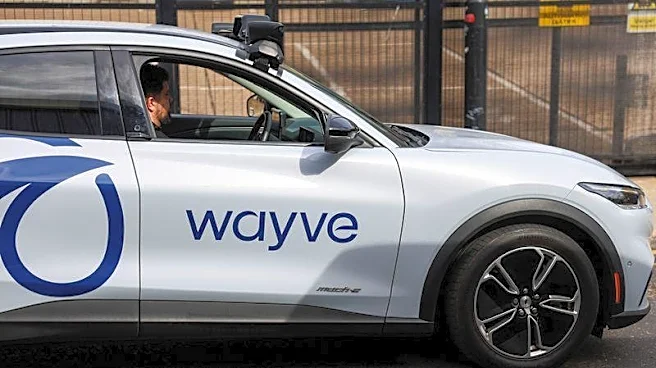
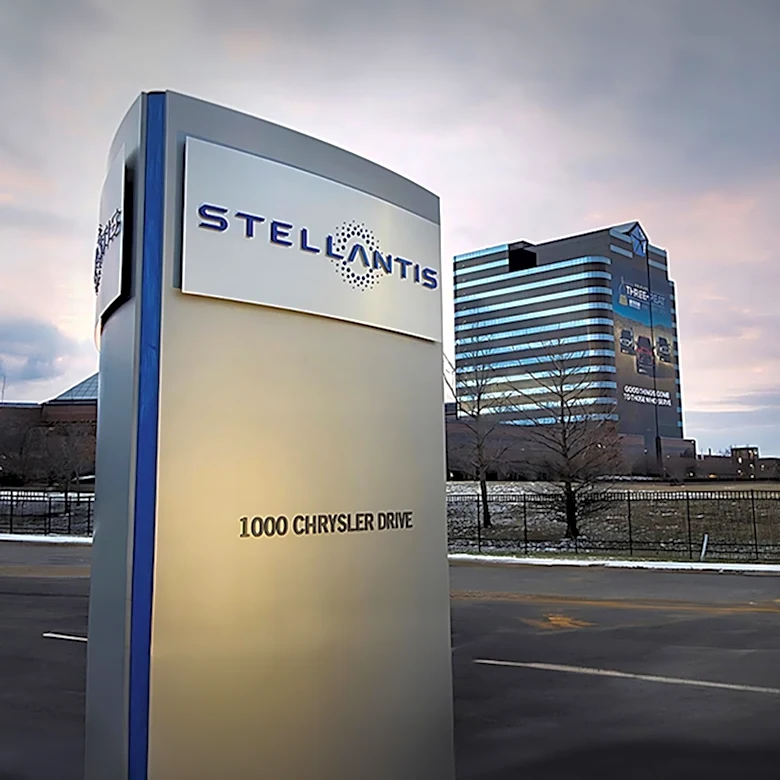
Stellantis, a global automaker, has announced a strategic partnership with Wayve, an AI driving technology company. This collaboration aims to develop a scalable AI driving foundation that will be integrated across multiple Stellantis vehicle platforms.
The primary goal is to launch a hands-free, door-to-door supervised driving assistant in North America by 2028. This initiative is part of Stellantis's broader strategy to reduce the cost and time associated with developing advanced driver-assistance systems. The company demonstrated hands-free driving capabilities in Maserati Grecale and Fiat 500e brands at an event in Turin. Stellantis views this partnership as crucial for making hands-free driving affordable and driving its adoption, leveraging its manufacturing scale to decrease costs. This move comes as many conventional carmakers are shifting from in-house development of autonomous driving systems to relying on specialized technology firms due to rising costs and slower-than-expected returns.
Why It's Important?
This partnership is significant for the U.S. automotive industry as it signals a concerted effort to accelerate the deployment of advanced self-driving features in the North American market. For Stellantis, which includes brands like Chrysler, Dodge, Jeep, and Ram, integrating Wayve's AI technology could provide a competitive edge by offering cutting-edge autonomous capabilities. The focus on reducing development costs and timelines could make these technologies more accessible to a broader consumer base, potentially increasing adoption rates of semi-autonomous vehicles. Wayve, a UK-based firm, gains a strong entry into the U.S. market through Stellantis's extensive manufacturing scale and diverse brand portfolio. This collaboration could also intensify competition among autonomous driving technology providers, pushing other automakers to seek similar partnerships or invest more heavily in their own AI development to keep pace with the evolving market.
What's Next?
Stellantis and Wayve are targeting a 2028 launch for their hands-free, door-to-door supervised driving assistant in North America. This will involve further integration of Wayve's AI software into Stellantis's STLA AutoDrive platform. The companies will likely continue testing and refining the technology to meet regulatory standards and ensure safety and reliability. As the launch approaches, there will be a focus on scaling the technology across various Stellantis brands and models. The success of this partnership could influence future collaborations between traditional automakers and AI technology firms, potentially leading to more widespread adoption of advanced driver-assistance systems. Additionally, the partnership's impact on cost reduction could set new benchmarks for affordability in the autonomous driving sector, influencing consumer expectations and market dynamics.
Beyond the Headlines
The Stellantis-Wayve partnership highlights a broader trend in the automotive industry: the increasing reliance on specialized technology firms for complex software development, particularly in the realm of artificial intelligence and autonomous driving. This shift reflects the immense financial and technical challenges associated with developing these systems in-house. It also raises questions about the future of automotive manufacturing, where software and AI capabilities are becoming as critical as traditional hardware. The emphasis on 'supervised' driving assistants, rather than fully autonomous vehicles, indicates a pragmatic approach to market introduction, acknowledging current technological limitations and regulatory landscapes. This phased approach could build consumer trust and allow for gradual adaptation to new driving paradigms, while also navigating the ethical and legal complexities surrounding AI decision-making in vehicles.