





What's Happening?
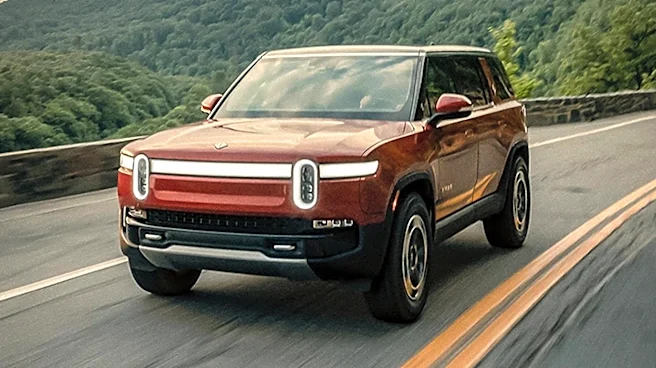
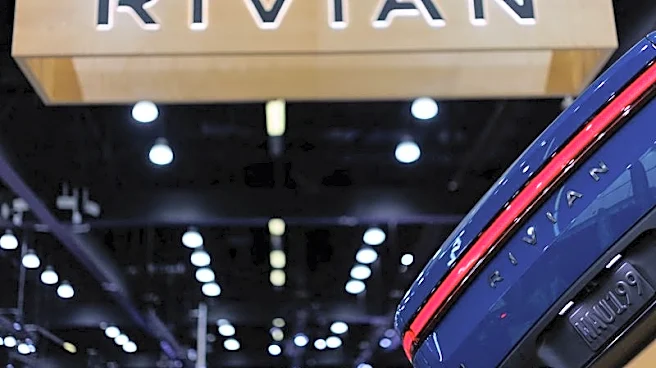
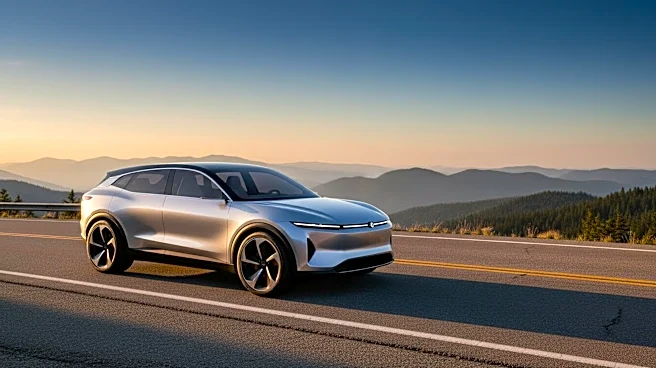
Rivian, an electric vehicle manufacturer, reported a 14% increase in its second-quarter deliveries, reflecting a positive trend in its production and sales performance. This growth is attributed to the launch of the R2 crossover, Rivian's first mass-market
vehicle, which became available in June. The R2 crossover was introduced as a performance trim with a launch-edition package, aiming to capture a broader market segment. Alongside this, Rivian has adjusted its forecast for 2026, indicating confidence in its future production capabilities and market demand. The company’s strategic moves come as it seeks to solidify its position in the competitive electric vehicle market, which includes major players like Tesla and Lucid Motors.
Why It's Important?
Rivian's increase in deliveries and the launch of the R2 crossover are significant as they demonstrate the company's ability to scale production and meet consumer demand. This growth is crucial for Rivian as it competes in the rapidly expanding electric vehicle market, where innovation and production efficiency are key to gaining market share. The adjustment of its 2026 forecast suggests that Rivian is optimistic about its long-term growth prospects, which could attract more investors and boost its stock performance. Additionally, Rivian's success could influence other automakers to accelerate their electric vehicle strategies, potentially leading to increased competition and innovation in the industry.
What's Next?
Rivian's future steps will likely focus on ramping up production to meet the anticipated demand for the R2 crossover and other upcoming models. The company may also explore expanding its market presence internationally, leveraging its increased production capacity. Stakeholders, including investors and industry analysts, will be closely monitoring Rivian's quarterly performance and strategic decisions to assess its ability to sustain growth and compete with established automakers. Furthermore, Rivian's progress could prompt responses from competitors, potentially leading to new collaborations or technological advancements in the electric vehicle sector.