



What's Happening?
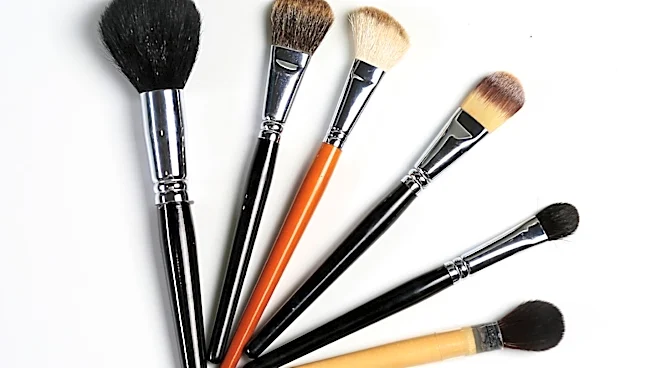
Dermatologist Melissa Piliang, MD, emphasizes the critical importance of regularly cleaning makeup brushes to prevent skin issues and infections. Using unwashed brushes can transfer old makeup, dirt, oil, and bacteria to the face, potentially leading
to breakouts or bacterial infections, especially if there are cuts in the skin. Brushes stored openly can also accumulate dust and airborne bacteria. Dr. Piliang advises specific cleaning frequencies: brushes used with wet products like foundation should be washed weekly, those for dry cosmetics like powder monthly, and brushes for eye makeup every two weeks due to the eyes' susceptibility to infection. Sponges, which absorb makeup and moisture, also require diligent cleaning to prevent bacterial and yeast overgrowth.
Why It's Important?
The advice from Dr. Piliang highlights a significant public health concern related to personal hygiene practices in the U.S. The widespread use of makeup means that millions of individuals are potentially exposing themselves to skin infections and irritations due to uncleaned tools. This issue impacts not only individual health but also the healthcare system, as skin conditions resulting from poor brush hygiene can lead to doctor visits and treatments. For the beauty industry, this information underscores the need for consumer education on product maintenance and could influence the design of makeup tools to be easier to clean or more resistant to bacterial growth. It also reinforces the importance of dermatological guidance in everyday health practices.
What's Next?
Increased awareness campaigns from dermatologists and beauty brands are likely to follow, educating consumers on proper makeup brush hygiene. This could lead to a rise in demand for brush cleaning products and tools, as well as a greater emphasis on hygiene in beauty tutorials and product marketing. Consumers may also become more discerning about the materials and design of their makeup brushes, favoring those that are easier to sanitize. Furthermore, the medical community may see a slight decrease in certain types of skin infections or irritations as more individuals adopt better cleaning habits, contributing to overall public health improvements.
Beyond the Headlines
Beyond the immediate health implications, the discussion around makeup brush hygiene touches upon broader themes of consumer responsibility and product lifecycle. It highlights how seemingly innocuous daily routines can have significant health consequences if not managed properly. This issue also subtly points to the 'hidden' costs of beauty routines, not just in terms of product purchase but also in the time and effort required for maintenance to ensure safety. Culturally, it reinforces the ongoing dialogue about personal care standards and the role of expert advice in shaping these practices, moving beyond aesthetic concerns to prioritize health and well-being in beauty regimens.