








What's Happening?
A California appeals court has ruled that a lawsuit filed by Michael Crichton's estate against Warner Bros. Television (WBTV) regarding the HBO Max series 'The Pitt' can proceed to a jury trial. The estate, represented by Crichton's widow Sherri Crichton,
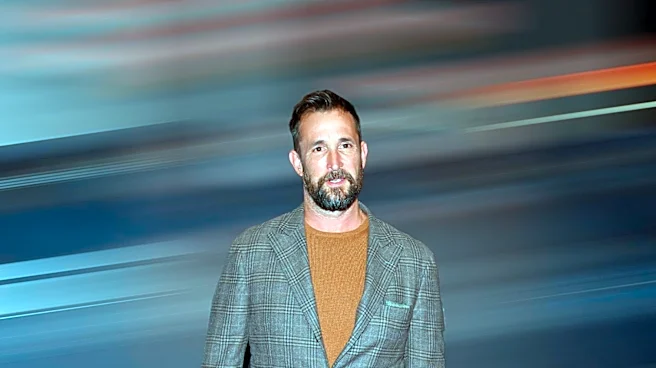
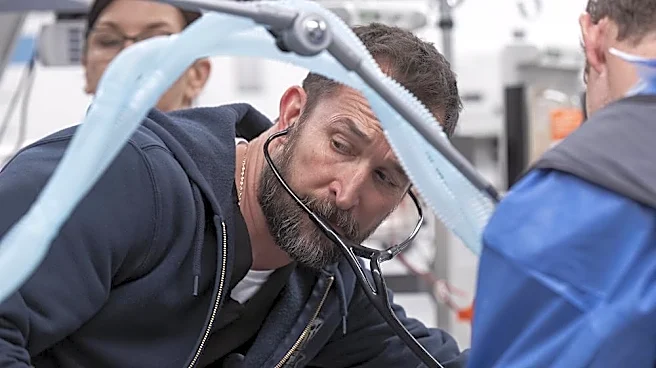
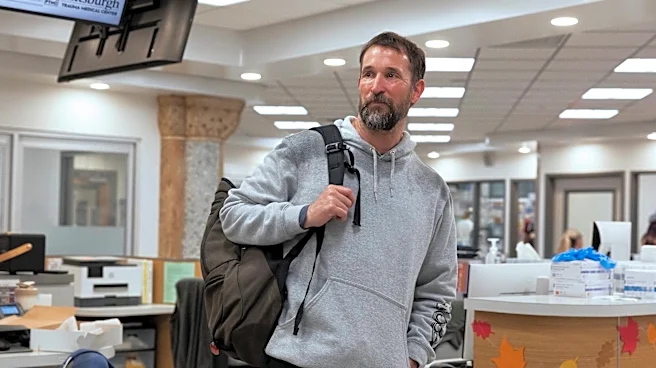
alleges that 'The Pitt' is an unauthorized reboot of Crichton's hit medical drama 'ER'. The lawsuit, initially filed in August 2024, claims that WBTV developed 'The Pitt' after negotiations to reboot 'ER' fell apart, violating a 'frozen rights' provision in Crichton's original 1994 contract for 'ER' which required his consent for any derivative works. A three-judge panel unanimously upheld a lower court's decision, finding 'clear and numerous similarities' between the two shows in terms of plot, themes, dialogue, mood, settings, pacing, characters, and sequence of events. While WBTV remains a defendant, the appeals court dismissed claims against actor Noah Wyle and producers John Wells and R. Scott Gemmill, citing insufficient evidence that they were aware of potential contractual violations.
Why It's Important?
This ruling is significant for intellectual property rights in the entertainment industry, particularly concerning established franchises and creator contracts. It underscores the legal complexities involved in developing new content that bears resemblance to existing works, especially when original agreements include specific clauses like 'frozen rights.' For creators and their estates, this decision reinforces the potential for legal recourse when they believe their contractual rights are infringed upon, potentially influencing how studios approach reboots, spin-offs, and adaptations. For major studios like Warner Bros. Television, the case highlights the financial and reputational risks associated with copyright disputes, as a jury trial could result in substantial damages or injunctions. The outcome could set a precedent for how 'derivative works' are defined and protected in future entertainment contracts, impacting both established and emerging content creators.
What's Next?
The case will now proceed to discovery and a jury trial in Los Angeles Superior Court, unless the parties reach a settlement beforehand. Sherri Crichton has expressed gratification with the appeals court's decision and looks forward to presenting the case to a jury, emphasizing its importance for writers, creators, and their estates. While the individual claims against Noah Wyle, John Wells, and R. Scott Gemmill have been dismissed, it is possible they could be called as witnesses during the trial. The third season of 'The Pitt' is scheduled to premiere in January 2027, and the ongoing legal battle could cast a shadow over its continued production and reception. The trial will likely focus on detailed comparisons between 'The Pitt' and 'ER' to determine if the former indeed constitutes an unauthorized derivative work under the terms of Michael Crichton's original contract.
Beyond the Headlines
This legal battle delves into the nuanced definition of 'derivative work' in the context of television series, a concept that often blurs as creative teams draw inspiration from successful formulas. The court's emphasis on 'clear and numerous similarities' beyond generic medical drama tropes suggests a deeper examination of narrative structure, character archetypes, and thematic elements. The case also highlights the enduring power of original creator contracts, even decades after a work's initial release and after the creator's passing. It raises questions about the balance between artistic freedom and contractual obligations, particularly when key personnel from an original series are involved in a new, similar project. The outcome could influence how studios negotiate future contracts, potentially leading to more explicit language regarding reboots and spin-offs, and could empower creators to assert greater control over the legacy of their intellectual property.