





What's Happening?
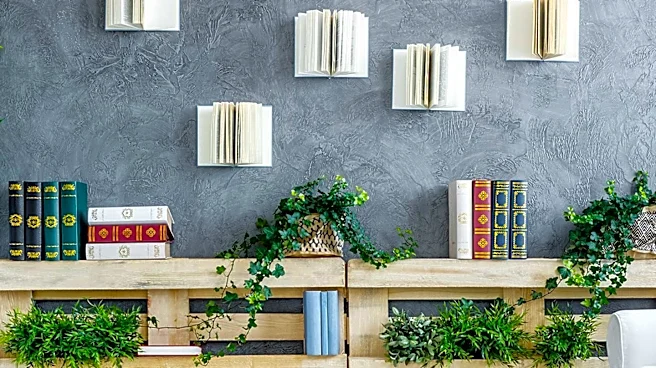
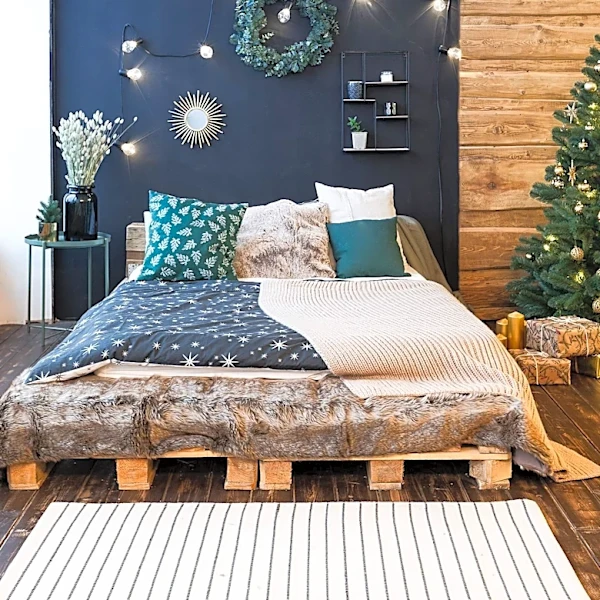
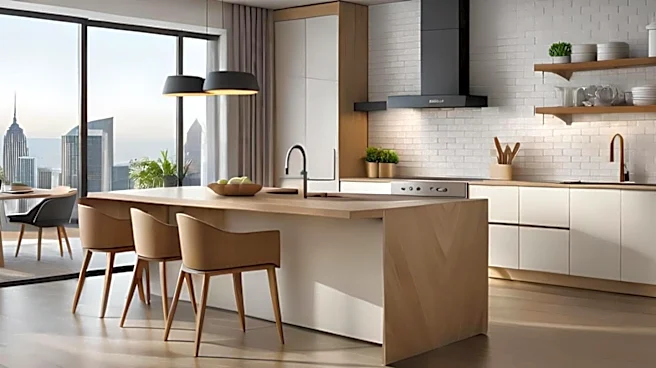
Sustainable interior design is gaining traction by focusing on mindful material choices and energy efficiency to create healthier living spaces. This approach prioritizes giving materials a second life through reclaimed wood, recycled glass, and furniture
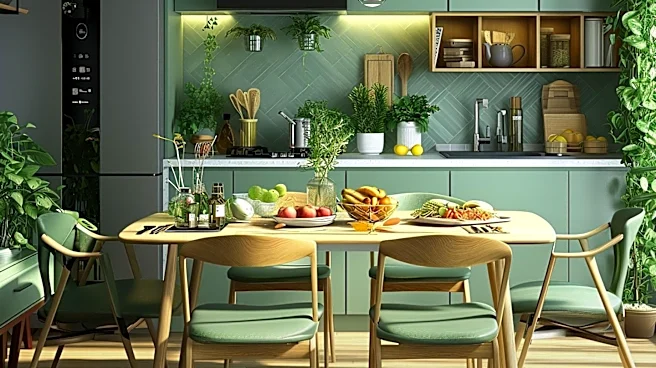
made from salvaged items. It also advocates for rapidly renewable resources like bamboo, cork, and linoleum for flooring and cabinetry. Furthermore, sourcing vintage and secondhand items is highlighted as a highly sustainable practice, reducing waste and offering unique pieces. For textiles, natural fibers such as organic cotton, linen, wool, and hemp are preferred due to their biodegradability and absence of synthetic chemicals. The philosophy extends to maximizing natural light, using LED lighting, and investing in energy-efficient window treatments to reduce energy consumption. Additionally, selecting low-VOC or zero-VOC products for paints and finishes is crucial for improving indoor air quality, alongside incorporating biophilic design elements like houseplants.
Why It's Important?
The shift towards sustainable interior design has significant implications for U.S. industries and consumers. It encourages a move away from fast-furniture trends, promoting investment in durable, well-crafted pieces that last longer, thereby reducing waste and consumption. This focus on longevity can impact manufacturing practices, pushing companies to produce higher-quality, more sustainable goods. For the construction and design sectors, it creates demand for responsibly sourced materials and innovative eco-friendly solutions. Consumers stand to gain from healthier indoor environments, free from harmful chemicals, and potentially lower energy bills due to increased efficiency. The emphasis on natural and recycled materials also supports local economies involved in salvaging and repurposing, while reducing the environmental footprint associated with new production. This trend could lead to a broader adoption of green building standards and certifications across the U.S. housing market.
What's Next?
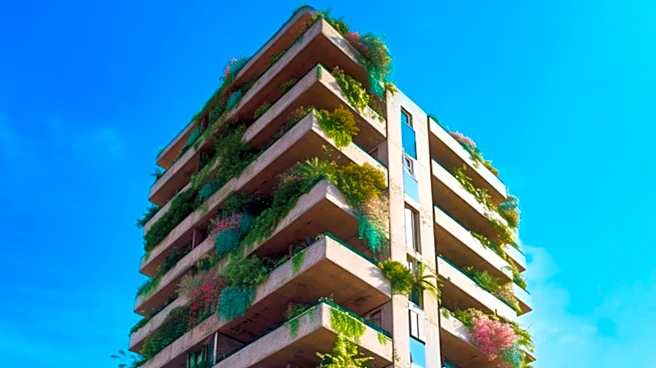
The continued growth of sustainable interior design is likely to drive further innovation in material science and manufacturing processes. Expect to see more companies offering certified sustainable products, from furniture to finishes, as consumer awareness and demand increase. Educational initiatives and design professionals will play a crucial role in guiding consumers toward eco-friendly choices. The integration of AI-powered tools, such as those for digital visualization, will become more prevalent, allowing for sustainable planning and reducing costly mistakes and material waste. Policy discussions may also emerge regarding incentives for sustainable home improvements and stricter regulations on harmful chemicals in building materials. This movement is poised to influence architectural design, urban planning, and the overall approach to creating built environments in the U.S., with a focus on long-term environmental and health benefits.
Beyond the Headlines
Beyond the immediate benefits of healthier homes and reduced environmental impact, the sustainable interior design movement reflects a deeper cultural shift towards conscious consumption and environmental stewardship. It challenges the prevailing throwaway culture by valuing durability, repurposing, and the story behind materials. This approach can foster a greater appreciation for craftsmanship and local resources, potentially revitalizing traditional trades and craft industries. Ethically, it promotes a sense of responsibility towards future generations by minimizing resource depletion and pollution. Legally, it could lead to more stringent building codes and product labeling requirements, ensuring transparency about material origins and chemical compositions. Culturally, it encourages a more mindful lifestyle, where design choices are not just about aesthetics but also about well-being and ecological harmony, transforming homes into sanctuaries that support both personal and planetary health.