








What's Happening?
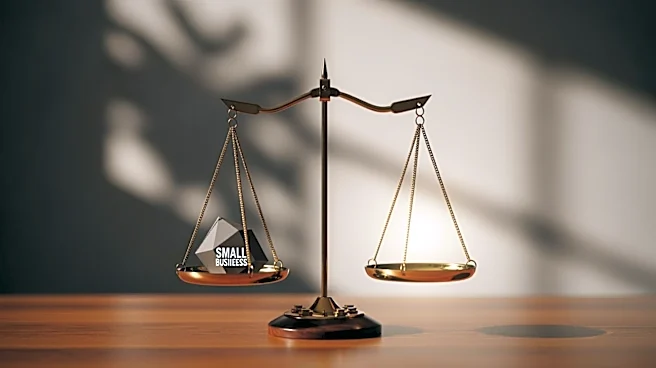
The Small Business Administration (SBA) has proposed a significant change to the 8(a) Business Development Program's criteria for establishing social disadvantage. This proposal follows a 2023 federal court ruling in Ultima Services Corp. v. United States
Department of Agriculture, which found the SBA's previous rebuttable presumption approach unconstitutional under the Fifth Amendment's Equal Protection Clause. The new rule aims to align with this decision by removing the rebuttable presumption and introducing a requirement for individuals to demonstrate that they have faced discrimination or bias that resulted in material harm. This change is intended to ensure that the program's eligibility rules conform to statutory requirements and goals. The proposed rule also eliminates the alternative non-presumptive test for social disadvantage, citing resource limitations and potential for abuse. The SBA is currently seeking public comments on the proposed changes, which must be submitted by July 13, 2026.
Why It's Important?
The proposed changes to the 8(a) Program could have significant implications for small businesses owned by socially and economically disadvantaged individuals. By requiring evidence of discrimination or bias, the new rule could potentially limit the number of businesses that qualify for the program, affecting their ability to receive contracting preferences. This shift may impact the diversity of businesses that benefit from federal contracts, potentially reducing opportunities for minority-owned businesses. The proposal also reflects broader legal and policy trends towards more stringent criteria for government assistance programs, emphasizing the need for clear evidence of disadvantage. Stakeholders, including current program participants and advocacy groups, may need to reassess their strategies and prepare for potential challenges in meeting the new requirements.
What's Next?
The SBA has not specified when the proposed rule will be finalized and implemented. However, the agency is actively seeking feedback from the public, particularly regarding the reliance interests that could be affected by these changes. This feedback process may influence the final form of the rule and its implementation timeline. Current participants in the 8(a) Program should monitor developments closely, as the SBA has not ruled out applying the new criteria during annual reviews. Businesses and advocacy groups may also engage in lobbying efforts to shape the final rule, emphasizing the need for a balanced approach that supports disadvantaged businesses while ensuring compliance with legal standards.