




What's Happening?
The Marie Kondo method, a popular decluttering approach, encourages individuals to keep only items that 'spark joy.' This philosophy, developed by Japanese organizing consultant Marie Kondo, involves a systematic process of tidying by category rather
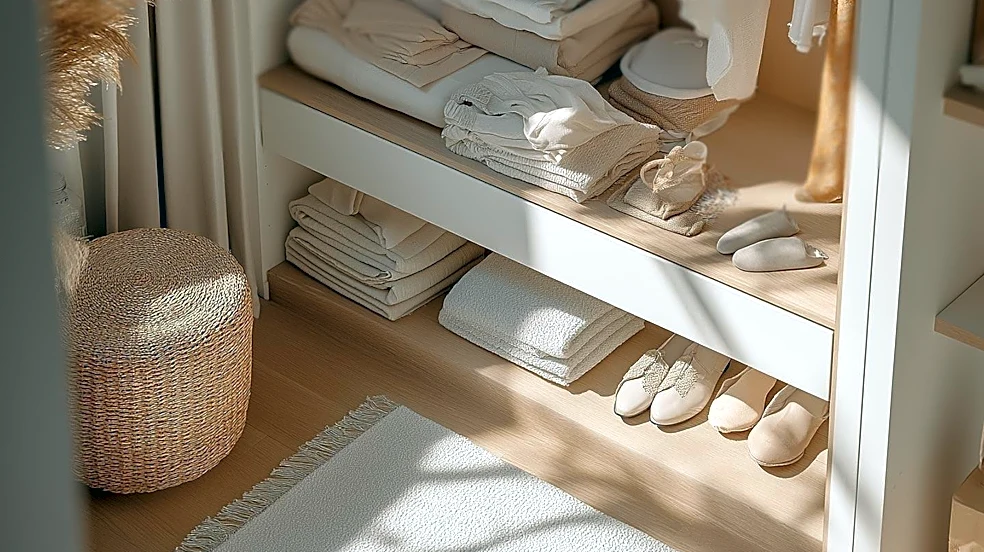
than by room. Users are instructed to gather all items from a specific category, such as clothing or books, and then evaluate each item individually. If an item does not evoke a feeling of joy, it is to be discarded. The method also emphasizes specific folding and storage techniques to maximize space and maintain order. This approach aims to streamline the home and create a more organized living environment by focusing on emotional connection to possessions. The process begins with a commitment to reorganizing one's entire life, visualizing an ideal lifestyle, and completing the discarding process before organizing the remaining items.
Why It's Important?
The Marie Kondo method has gained significant traction globally, influencing how many Americans approach home organization and consumption. Its emphasis on intentionality and emotional connection to belongings can lead to reduced clutter, potentially fostering a more peaceful and functional living space. For consumers, adopting this method might lead to more mindful purchasing habits, as they become more discerning about what they bring into their homes. This could impact retail sectors, particularly those dealing with home goods and storage solutions, as demand shifts towards quality over quantity and efficient storage. The method also promotes sustainability by encouraging donation or selling of unwanted items, thereby reducing waste. Psychologically, the act of decluttering and organizing can contribute to a sense of control and well-being, impacting mental health and daily productivity for individuals.
What's Next?
As the Marie Kondo method continues to be a prominent trend in home organization, its principles are likely to be integrated into broader lifestyle discussions. We may see continued development of products and services tailored to this decluttering philosophy, such as specialized storage solutions or professional organizing services that incorporate KonMari techniques. The method's influence could also extend into other areas of life, as individuals apply the 'spark joy' principle to commitments, relationships, and digital clutter. Educational content, workshops, and media featuring decluttering and organizing are expected to remain popular, further solidifying the method's place in contemporary lifestyle practices. The long-term impact could involve a cultural shift towards more minimalist living and conscious consumption.
Beyond the Headlines
Beyond its practical applications, the Marie Kondo method touches upon deeper ethical and cultural dimensions related to consumerism and materialism. By encouraging individuals to critically assess their possessions, it challenges the prevailing culture of accumulation and disposability. The method subtly promotes a form of mindfulness, urging people to be present with their belongings and consider their true value. This can lead to a re-evaluation of what constitutes 'enough' and foster a greater appreciation for the items one chooses to keep. Legally, while not directly impacting policy, the increased focus on donation and resale could indirectly support circular economy initiatives. Culturally, it reflects a growing desire for simplicity and order in an increasingly complex world, offering a framework for individuals to regain control over their physical environments and, by extension, their lives.