




What's Happening?
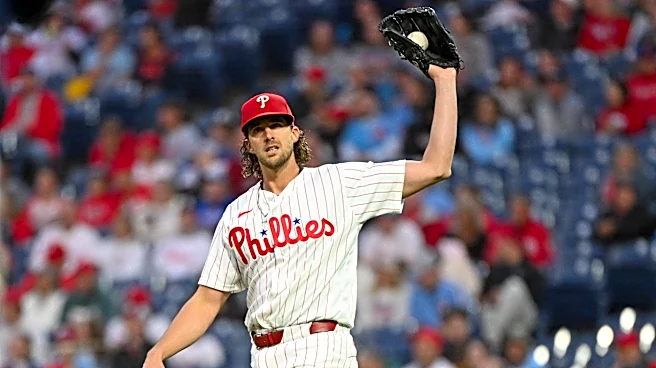
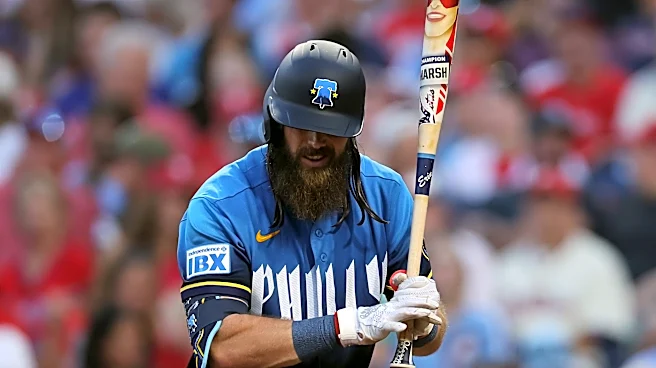
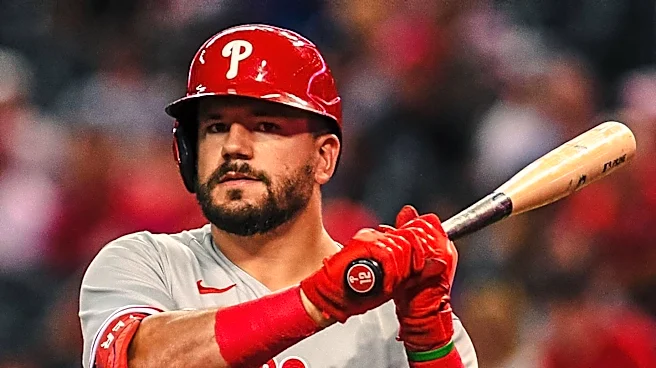
The Philadelphia Phillies are grappling with inconsistent performance as they approach the postseason, despite strong starting pitching from Christopher Sánchez, Zack Wheeler, and Jesús Luzardo. Outfielder Kyle Schwarber, a key player, has experienced
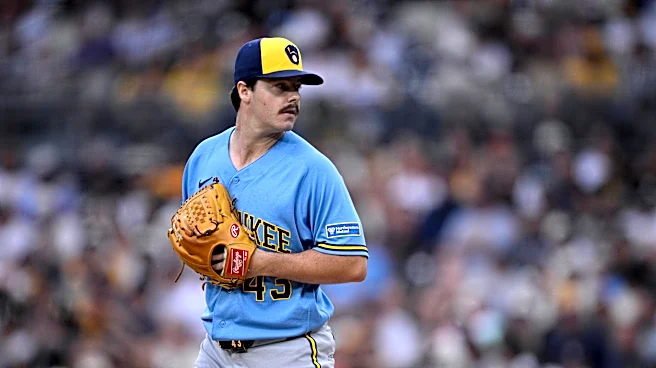
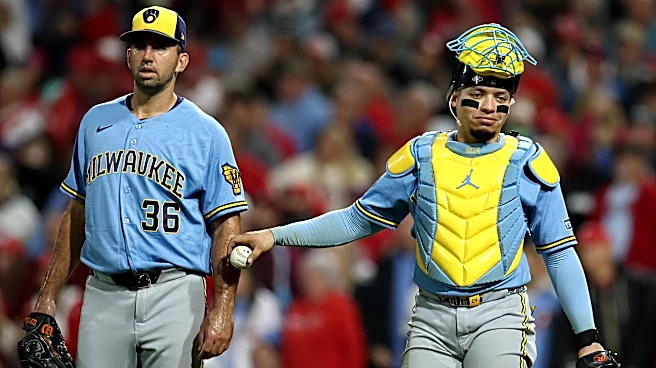
a significant decline in his offensive statistics in the second half of the season. His batting average, on-base percentage (OBP), slugging percentage (SLG), and on-base plus slugging (OPS) have all dropped considerably compared to his first-half numbers. Specifically, Schwarber's second-half average is .197, OBP .331, SLG .423, and OPS .753, a stark contrast to his first-half figures of .254 average, .367 OBP, .560 SLG, and .927 OPS. Schwarber attributes some of his earlier struggles to stomach and back issues but states he is now feeling 'great' and 'ready to go.' The team's recent 4-1 loss to the Milwaukee Brewers, where the Phillies went 0-for-12 with runners in scoring position, highlighted their offensive struggles and prevented them from clinching a playoff spot. Schwarber emphasized the need for the team to maintain a relentless offensive approach and play clean games to succeed.
Why It's Important?
The Phillies' struggle with consistency, particularly in their offense, poses a significant challenge to their postseason aspirations. As a major league team with a strong pitching rotation, their inability to consistently perform offensively could undermine their chances against top-tier opponents. Kyle Schwarber's individual performance slump is particularly concerning given his role as a power hitter and leadoff batter. His aggressive hitting style, while capable of producing record-setting home runs, also contributes to periods of inconsistency. The team's reliance on individual players to 'do it' rather than a cohesive, consistent effort suggests potential vulnerabilities that could be exploited in high-pressure playoff scenarios. The need for consistency extends beyond individual statistics to the team's overall approach, impacting their ability to capitalize on scoring opportunities and support their strong pitching staff. This situation highlights the fine margins in professional sports, where even a talented roster can falter without sustained, collective performance.
What's Next?
The Philadelphia Phillies must find a way to achieve greater consistency in their offensive performance in the remaining games to secure a strong position for the postseason. Kyle Schwarber and his teammates are focused on treating every game like a postseason match to build momentum and refine their play. The team aims to 'lock this thing down as soon as we can' by winning baseball games, rather than relying on other teams' results. Schwarber acknowledges the natural tendency to 'scoreboard watch' but stresses the importance of focusing on their own performance. The immediate goal is to win their upcoming games, including the next one, to ensure their playoff berth. The team will need to address their issues with hitting with runners in scoring position and maintain a disciplined approach at the plate. The coming days will be crucial for the Phillies to demonstrate they can put all aspects of their game together consistently, as they prepare for the heightened intensity of playoff baseball.
Beyond the Headlines
The Phillies' current situation reflects a broader challenge in professional sports: translating individual talent into consistent team success, especially under pressure. The narrative around Kyle Schwarber's performance, moving from a strong first half to a struggling second half, underscores the mental and physical demands on athletes throughout a long season. His acknowledgment of past physical issues and current readiness highlights the often-unseen battles players face. The team's emphasis on a 'relentless aspect of an at-bat' and 'playing a clean game all around' points to the fundamental principles of baseball that, when neglected, can derail even the most talented teams. This period of inconsistency could serve as a critical test of the team's resilience and leadership, potentially shaping their identity and approach in future seasons. The ability to overcome these internal struggles before the postseason will be a significant indicator of their championship potential and their capacity to perform when it matters most.