




What's Happening?
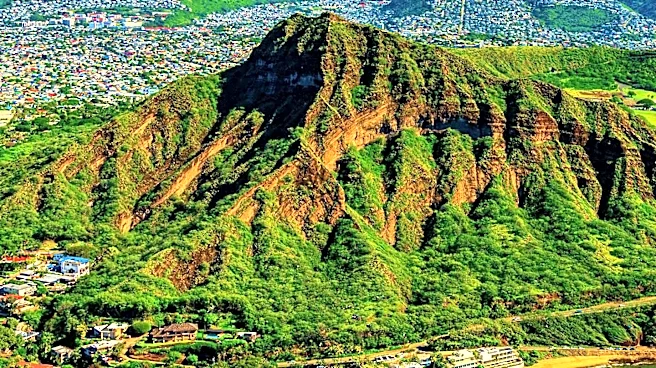
The popular television series 'The White Lotus' has significantly influenced travel demand, leading to a 300 percent increase in bookings for destinations featured in its first two seasons, according to Expedia. The show's impact, often referred to as 'set-jetting,'
has turned on-screen locations like Hawaii and Sicily into highly sought-after travel spots. Viewers are increasingly inspired to visit the hotels and landscapes depicted in the series. Currently, Season 4 of 'The White Lotus' is filming along the French Riviera, with fictional settings at Airelles Château de la Messardière in Saint-Tropez and Hôtel Martinez in Cannes. This trend highlights how streaming content can directly translate into real-world tourism, making destinations almost as memorable as the show's characters.
Why It's Important?
This phenomenon underscores the growing influence of popular culture, particularly streaming television, on the travel and tourism industry. For destinations and hospitality businesses, being featured in a hit show like 'The White Lotus' can provide an unparalleled level of exposure and a substantial boost in visitor numbers. This 'set-jetting' trend creates economic opportunities for local businesses, hotels, and tour operators in featured locations. It also shifts marketing strategies for destinations, as they can leverage popular media to attract tourists. The increased demand, however, also presents challenges related to managing tourism influx, potential over-tourism, and maintaining the authenticity and environmental integrity of these locations. The success of 'The White Lotus' in driving travel demand sets a precedent for how entertainment can shape consumer behavior and economic activity in the travel sector.
What's Next?
With Season 4 of 'The White Lotus' currently filming in the French Riviera, it is highly anticipated that this region will experience a similar surge in travel interest and bookings. The show's continued popularity is expected to generate another wave of viewers searching for flights and hotel reservations in Saint-Tropez and Cannes. This will likely lead to increased revenue for the local tourism industry, including luxury hotels and related services. Destinations and tourism boards may proactively engage with production companies or leverage the show's popularity in their marketing campaigns to capitalize on this trend. The long-term implications could include sustained interest in these locations, potentially leading to infrastructure development to accommodate more tourists, but also raising concerns about the environmental and social impact of increased visitor numbers.
Beyond the Headlines
The 'White Lotus Effect' extends beyond mere tourism, touching upon deeper aspects of consumer psychology and the evolving nature of luxury travel. It highlights a desire among travelers to connect with narratives and experiences they've witnessed on screen, seeking not just a destination but an immersive story. This trend also reflects a broader shift in what constitutes 'luxury' in travel, moving beyond opulent amenities to include unique, culturally resonant, and often aspirational experiences. The ethical implications of 'set-jetting' also come into play, as popular destinations grapple with balancing economic benefits with the preservation of local culture, environment, and community well-being. The phenomenon prompts a re-evaluation of how media consumption shapes our aspirations and decisions, particularly in leisure and lifestyle choices.