







What's Happening?
Fitness applications are increasingly providing a wide array of features to support users in achieving their health and wellness goals. These apps commonly include functionalities such as meal logging, workout planning, and progress tracking. Many also
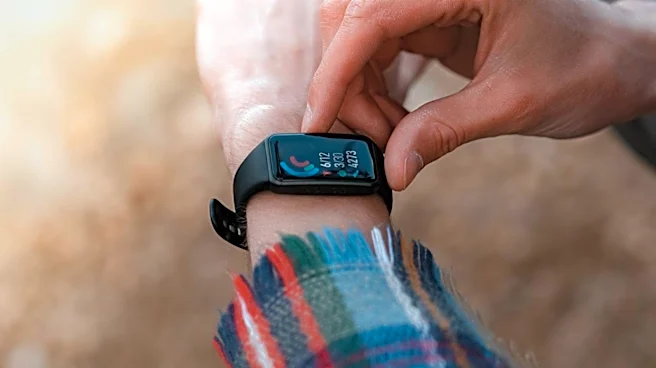
integrate with wearable devices like smartwatches and pedometers to offer a more comprehensive overview of physical activity. The market for these applications is expanding, with companies focusing on developing scalable and high-performance solutions. Notable apps in this space include PlateLens, which excels in AI-powered meal logging and fitness progress tools; Cronometer, known for its detailed micronutrient tracking; MyFitnessPal, recognized for its extensive food database; and Noom, which emphasizes behavior change support through lessons and coaching. Additionally, apps like MyNetDiary offer a traditional food diary experience with staff-verified databases. The demand for these tools is driven by individuals seeking to enhance their physical activity and manage their health more effectively.
Why It's Important?
The proliferation and advancement of fitness apps are significantly impacting the health and wellness landscape in the U.S. These applications democratize access to personalized health management tools, which were once primarily available through professional trainers or nutritionists. By offering features like AI-driven meal analysis, detailed nutritional breakdowns, and adaptive workout plans, these apps empower individuals to take a more active role in their health. This trend can lead to improved public health outcomes by encouraging consistent physical activity and healthier eating habits. For the fitness industry, these apps represent a growing sector, driving innovation in wearable technology and data analytics. Businesses in this space stand to gain from increased user engagement and subscription models, while traditional fitness services may need to adapt by integrating app-based solutions or offering complementary digital programs. The emphasis on recovery-aware fitness, as seen in apps like Gentler Streak, also highlights a shift towards more sustainable and holistic approaches to well-being, potentially reducing instances of overtraining and injury.
What's Next?
The future of fitness apps is likely to see continued integration with advanced technologies and a greater focus on personalized, adaptive experiences. Further development in AI and machine learning will enable more sophisticated meal analysis, real-time workout adjustments based on biometric data, and predictive health insights. We can expect to see enhanced interoperability between different health and fitness platforms, allowing for a more unified user experience across various devices and services. The trend towards recovery-aware fitness, which considers factors like sleep quality and heart rate variability, will likely become a standard feature, promoting more balanced and sustainable health routines. Additionally, as these apps collect more data, there will be an increased focus on data privacy and security, with developers needing to ensure robust protections for sensitive user information. The market may also see a rise in specialized apps catering to niche demographics or specific health conditions, offering tailored guidance and support.
Beyond the Headlines
Beyond their immediate utility, fitness apps are subtly reshaping societal attitudes towards health and self-care. They foster a culture of continuous self-monitoring and data-driven decision-making regarding personal well-being. This constant feedback loop can empower individuals but also raises questions about potential over-reliance on technology for health management and the psychological impact of perpetual performance tracking. The gamification of fitness, through streaks, challenges, and progress reports, can be highly motivating but might also inadvertently create pressure or anxiety for some users. Ethically, the collection and use of vast amounts of personal health data by these companies present significant considerations regarding privacy, data ownership, and the potential for targeted advertising or discrimination. Culturally, these apps are normalizing the integration of health metrics into daily life, potentially leading to a more health-conscious society but also risking a reductionist view of well-being that prioritizes quantifiable data over subjective experience and mental health.