


What's Happening?
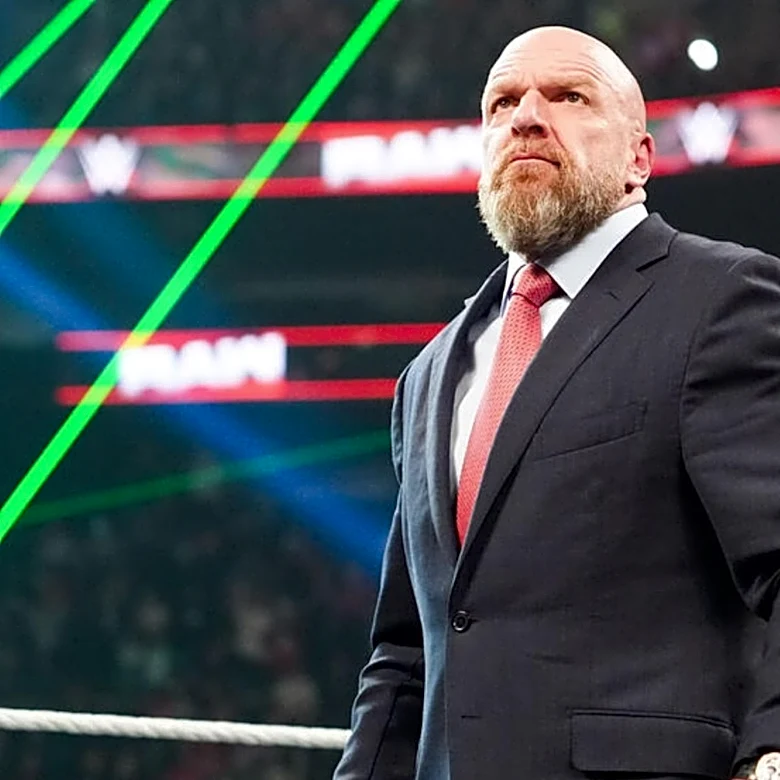
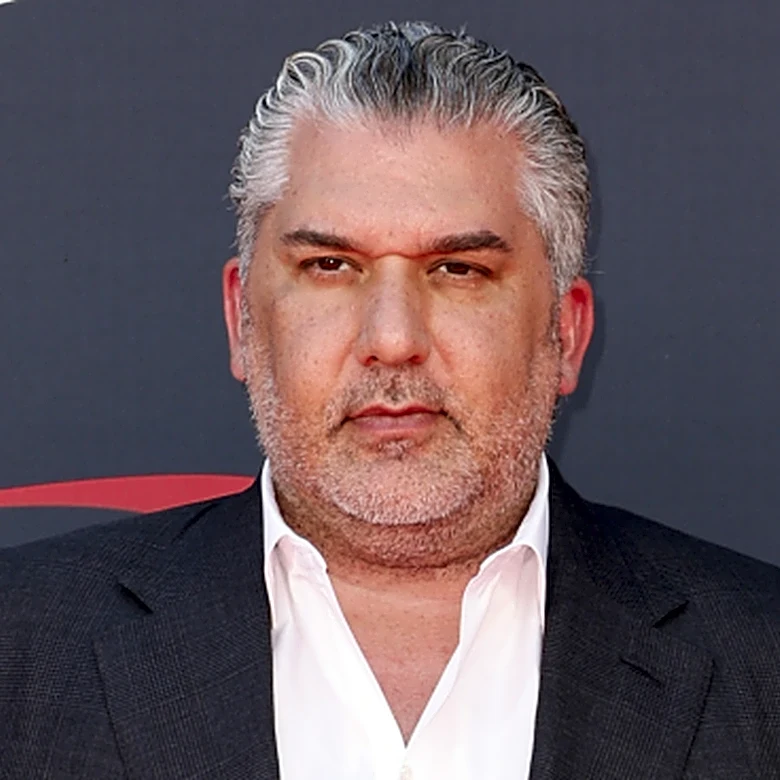
WWE President Nick Khan has publicly lauded Paul Levesque, known as Triple H, as the 'best creative in all of professional wrestling.' Khan's remarks came during an interview where he also addressed the company's approach to fan feedback, particularly
from social media. He acknowledged that while WWE does listen to criticism and makes minor adjustments when valid, the company will not allow every online complaint to dictate its creative direction. Khan compared social media complaints to old comment cards in restaurants and airlines, noting that they primarily serve as outlets for dissatisfaction rather than balanced feedback. He emphasized the importance of trusting the internal team, including Levesque, and other departments like live events, merchandising, and consumer products, to make informed decisions for the company's growth and monetization. This stance reinforces WWE's strategy of relying on its established leadership for creative control despite vocal online fan communities.
Why It's Important?
This statement from WWE President Nick Khan is significant for several reasons within the professional wrestling and entertainment industries. Firstly, it solidifies Paul Levesque's position and influence as the Chief Creative Officer, indicating strong internal confidence in his vision and leadership. This endorsement could lead to more consistent and long-term creative planning, potentially shaping the future narrative and character development within WWE programming. Secondly, Khan's explicit dismissal of social media as a primary driver for creative decisions highlights a broader industry challenge: balancing fan engagement with strategic business objectives. While social media provides a direct channel for audience feedback, companies often grapple with distinguishing between a vocal minority and the broader audience's preferences. This approach suggests WWE prioritizes its internal expertise and market research over immediate online reactions, which could lead to more stable and less reactive storytelling, but also risks alienating segments of its passionate fanbase who feel their voices are not being heard. The emphasis on monetization and growth across various departments also underscores WWE's business-first approach, viewing creative content as a product to be optimized for financial success.
What's Next?
Following Nick Khan's strong endorsement, Paul Levesque is expected to continue to steer WWE's creative direction with reinforced authority. This could lead to a more defined and consistent creative vision for WWE programming, potentially resulting in long-term storylines and character arcs that are less susceptible to immediate public backlash or trending topics on social media. The company will likely continue its strategy of selective listening to fan feedback, making minor adjustments where deemed genuinely necessary, but largely adhering to its internal creative plans. This approach might lead to further discussions among fans and media about the role of audience input in modern entertainment, especially in a highly interactive medium like professional wrestling. Future programming will serve as a test of this strategy, demonstrating whether a more insulated creative process can maintain or grow WWE's audience and financial success, particularly as the company expands its global reach and distribution deals.
Beyond the Headlines
Beyond the immediate implications for WWE's creative direction, Nick Khan's comments touch upon a broader cultural and business phenomenon: the impact of social media on traditional entertainment. His analogy of social media as a 'complaint card' reflects a growing sentiment among some corporate leaders that online platforms, while offering direct feedback, often amplify negative or niche opinions that may not represent the majority. This raises questions about the true value and representativeness of social media sentiment in shaping content and strategy for large entertainment entities. The decision to prioritize internal creative leadership over constant social media reactivity could be seen as an attempt to reclaim artistic integrity and long-term vision from the often-ephemeral and reactive nature of online discourse. However, it also carries the risk of appearing out of touch with a significant portion of the fanbase that actively engages on these platforms, potentially fostering a disconnect between the product and its most vocal consumers. This dynamic is not unique to wrestling but is a pervasive challenge across various entertainment sectors, highlighting the ongoing tension between creative autonomy and audience demand in the digital age.