





What's Happening?
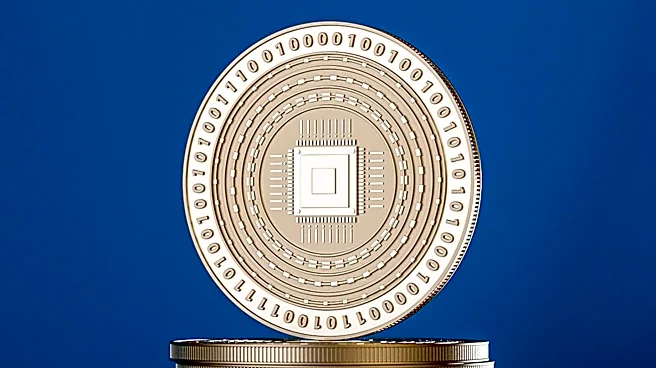
Nacha's Payments Innovation Alliance has launched a new initiative called the Next-Gen Currency Project Team. This team, co-led by Nacha and the Digital Sovereignty Alliance, will investigate the global application of digital assets, specifically stablecoins
and tokenized deposits, for money movement. The formation of this team comes as digital assets are gaining increased popularity and acceptance within the payments landscape. Jane Larimer, Nacha President and CEO, highlighted the critical role of this team in addressing numerous questions surrounding digital assets and their potential implications for various payment types. Molly Woodman, Senior Policy Advisor for the Digital Sovereignty Alliance and Project Team Co-Leader, emphasized the goal of creating educational resources to bridge the gap between digital assets and traditional payment methods. The team will also monitor regulatory developments in this evolving sector. Nacha, as a membership organization, aims to foster collaboration among diverse global stakeholders to advance future payment trends and provide solutions.
Why It's Important?
The establishment of Nacha's Next-Gen Currency Project Team is significant for the U.S. payments industry as it signals a proactive approach to understanding and integrating emerging digital assets like stablecoins and tokenized deposits. This initiative could lead to the development of new standards and best practices for incorporating these technologies into existing payment systems, potentially streamlining cross-border transactions and reducing costs for businesses. By exploring the implications of digital assets, Nacha aims to ensure that the U.S. remains competitive in the global financial landscape, where other central banks are also investigating similar innovations. The focus on regulatory developments is crucial, as clear guidelines are essential for widespread adoption and to mitigate risks. Businesses stand to gain from more efficient payment rails, while financial institutions may need to adapt their services to accommodate these new forms of digital currency. The project's educational component will also be vital in informing stakeholders and fostering a more knowledgeable ecosystem around digital assets.
What's Next?
The Next-Gen Currency Project Team will proceed with its exploration of stablecoins and tokenized deposits, focusing on their global use in money movement. A key immediate step will be the development of educational resources to help the payments industry understand these new digital assets and their integration with traditional payment methods. The team will also continue to track and analyze regulatory developments, which could influence future policies and adoption rates. All Payments Innovation Alliance Participating Members are invited to join the project team, indicating a collaborative approach to its work. The findings and recommendations from this team could inform future Nacha rules and standards, potentially shaping how digital assets are used within the ACH Network and broader U.S. payment systems. This ongoing research and collaboration are expected to contribute to a clearer understanding of the operational and regulatory frameworks necessary for the secure and efficient use of stablecoins and tokenized deposits.
Beyond the Headlines
This initiative by Nacha delves into the deeper implications of digital assets beyond mere technological adoption. It touches upon the fundamental shift in how value can be transferred and managed, potentially challenging traditional banking models and payment infrastructures. The exploration of stablecoins and tokenized deposits raises questions about financial sovereignty, the role of central banks, and the future of fiat currencies in a digital age. Ethical considerations around data privacy, security, and accessibility for all economic strata will likely emerge as the team progresses. Furthermore, the project could influence the legal frameworks surrounding digital assets, potentially leading to new legislation or amendments to existing financial regulations. The long-term impact could include a more interconnected global payment system, where digital assets facilitate near-instantaneous and low-cost transactions, fundamentally altering international trade and finance. This move by Nacha signifies a recognition that digital assets are not just a niche technology but a transformative force with far-reaching societal and economic consequences.