





What's Happening?
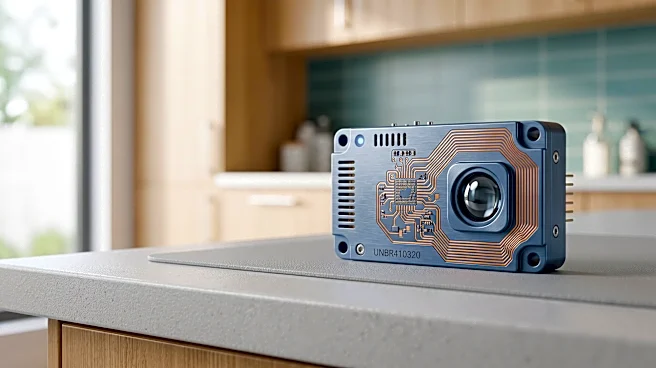
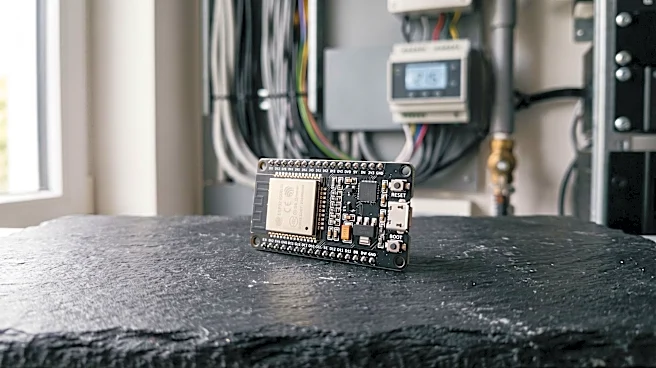
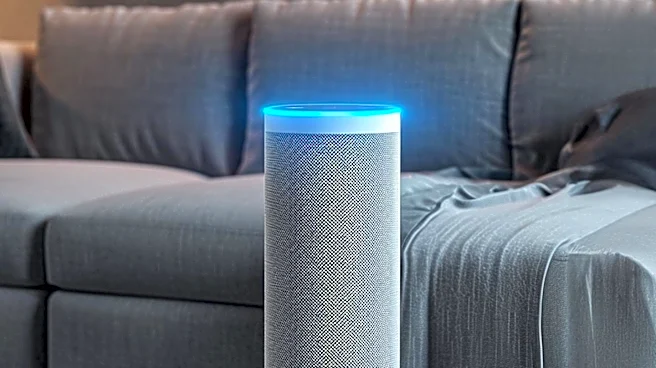
The effective placement of a smart home hub is critical for ensuring optimal performance and avoiding signal interference, according to experts. Smart home hubs, which connect various devices using protocols like Wi-Fi, Zigbee, and Z-Wave, require clear
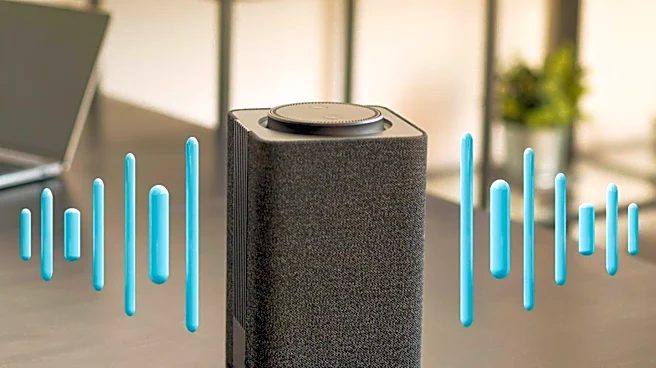
paths for their wireless signals. Physical obstructions such as walls, furniture, and doors can block these signals, leading to weaker connections. It is recommended to place the hub in a central location within the home to minimize problems, and if the hub has visible antennas, they should be pointed towards smart home devices. Additionally, hubs can experience interference from other communication devices like Wi-Fi routers, phones, and microwaves. To mitigate this, hubs should be placed close enough to a router for a strong signal but not directly next to it. Utilizing different Wi-Fi bands or less crowded frequencies can also help reduce congestion. For Zigbee or Z-Wave devices, which form mesh networks, creating a chain of devices can extend signal reach, though the signal weakens across multiple devices.
Why It's Important?
Proper smart home hub placement is vital for the reliability and efficiency of an entire smart home ecosystem. Suboptimal placement can lead to dropped connections, delayed responses from devices, and overall frustration for users. This directly impacts the user experience, potentially undermining the convenience and benefits that smart home technology promises. For device manufacturers and service providers, ensuring users understand and implement best practices for hub placement can reduce customer support issues and improve product satisfaction. In a market where seamless connectivity is a key differentiator, guidance on optimal setup is crucial. Furthermore, as homes become increasingly reliant on interconnected devices for security, energy management, and daily routines, a robust and stable network foundation, starting with hub placement, is paramount for functionality and user trust.
What's Next?
As smart home technology continues to evolve, manufacturers may integrate more advanced signal processing or adaptive networking capabilities into hubs to mitigate placement challenges. However, user education on optimal hub placement will remain essential. Consumers can expect to see more detailed guidance from manufacturers on how to best position their hubs, potentially including tools or apps that help identify ideal locations based on home layout and device distribution. The development of more robust mesh networking protocols and devices with stronger signal penetration could also help alleviate some of the current limitations. Ultimately, the trend will likely be towards making smart home networks more resilient to environmental factors, while still emphasizing the foundational importance of strategic hub placement for peak performance.
Beyond the Headlines
The seemingly simple act of placing a smart home hub touches upon deeper implications regarding the digital infrastructure of modern homes. As homes become 'smarter,' the physical environment itself plays a critical role in the performance of digital systems. This highlights the growing intersection of physical space and digital functionality, where architectural elements and interior design can either facilitate or hinder technological efficiency. Ethically, ensuring reliable connectivity is becoming a matter of accessibility, as smart home features can significantly benefit individuals with mobility challenges or those seeking enhanced security. Legally, as more critical home functions become automated, the reliability of these systems, heavily influenced by signal integrity, could become a factor in liability discussions if failures occur. Culturally, it underscores a growing need for digital literacy in home management, where understanding basic networking principles becomes as important as understanding plumbing or electrical systems for maintaining a functional living space.