







What's Happening?
The U.S. Consumer Price Index (CPI) data for June shows a significant drop in inflation to 3.5%, down from 4.2% in May. This decrease is largely attributed to a sharp decline in energy prices, following a temporary ceasefire between the U.S. and Iran
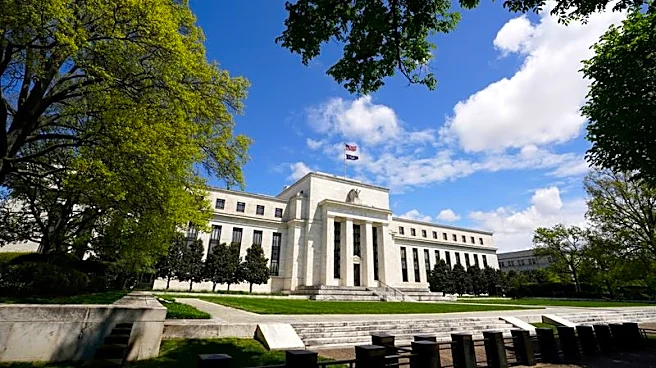
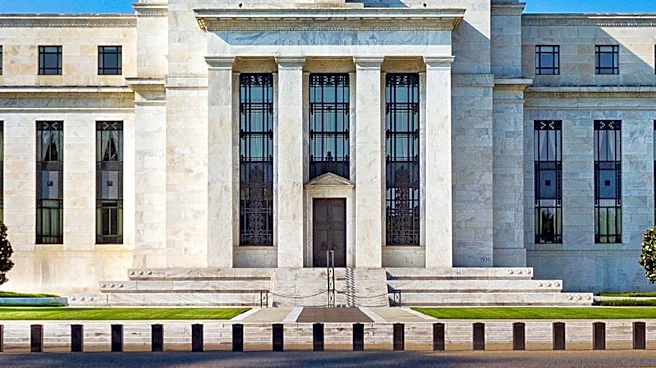
that led to lower global oil prices. The energy index fell by 5.7% in June, marking the largest one-month drop in over six years. Despite this, hostilities have resumed, which could reverse the trend. Core inflation, excluding food and energy, remained flat month-over-month and decreased to an annual rate of 2.6%. Housing costs saw a minimal increase of 0.1%, the smallest since January 2021. The data suggests a potential pause in rate hikes by the Federal Open Market Committee (FOMC), as indicated by a drop in the 10-year Treasury yield and reduced odds of a July rate hike.
Why It's Important?
The decline in inflation is significant for both the Federal Reserve and consumers, particularly homebuyers. Lower inflation reduces pressure on mortgage rates, which have been around 6.5% recently. This could provide relief in the housing market, especially as the late-summer buying season approaches. However, the situation remains uncertain due to the volatile nature of energy prices and geopolitical tensions. The Federal Reserve is likely to require more consistent data before making long-term policy decisions. The current economic conditions highlight the delicate balance the Fed must maintain between controlling inflation and supporting economic growth.
What's Next?
The Federal Reserve will closely monitor upcoming inflation data to determine future monetary policy actions. The durability of the current inflation relief depends on continued cooling of core inflation and stable energy prices. Any escalation in geopolitical tensions or fluctuations in energy markets could impact future inflation trends. The FOMC's decisions in the coming months will be crucial in shaping economic stability and consumer confidence.