





What's Happening?
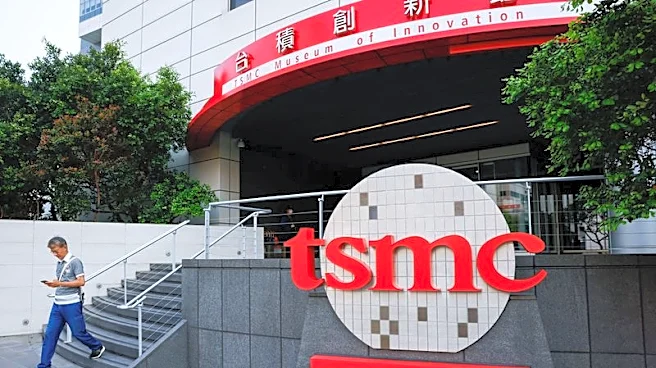
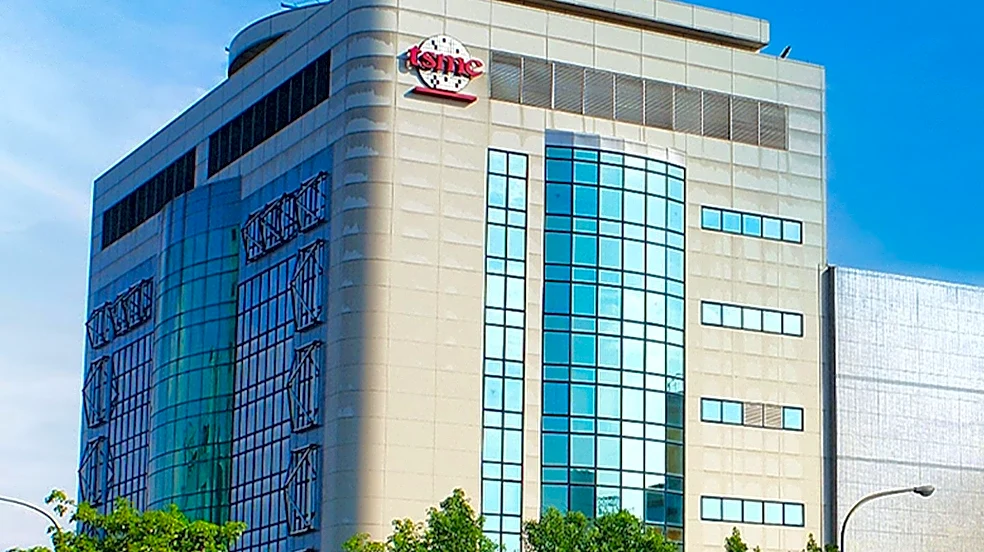
TB Alternative Assets Ltd. significantly reduced its position in Taiwan Semiconductor Manufacturing Company Ltd. (NYSE:TSM) by 46.6% during the third quarter. The fund sold 73,746 shares, bringing its total holdings to 84,644 shares, valued at $38,614,000.
This move makes Taiwan Semiconductor Manufacturing the fourth-largest holding for TB Alternative Assets Ltd., accounting for 8.0% of its investment portfolio. Other institutional investors have also adjusted their stakes, with some increasing and others decreasing their positions. For instance, Cedar Mountain Advisors LLC raised its stake by 88.2%, while Banque Pictet & Cie SA cut its holdings by 7.2%. Despite these adjustments, Taiwan Semiconductor Manufacturing reported strong third-quarter results, with net income rising 68.7% year-over-year and revenue increasing by approximately 51%, exceeding analyst estimates. The company also forecasted robust fourth-quarter revenue and expects annual 2-nanometer capacity to more than double in 2027.
Why It's Important?
Institutional investor activity in Taiwan Semiconductor Manufacturing (TSM) is a key indicator for the broader technology and semiconductor sectors, which are critical to the U.S. economy. TSM is the world's largest dedicated semiconductor foundry, and its performance directly impacts the supply chain for numerous U.S. tech companies, including those in AI, high-performance computing, and consumer electronics. The decision by TB Alternative Assets Ltd. to reduce its stake, despite TSM's strong earnings, could signal a strategic portfolio rebalancing or a cautious outlook on future growth, potentially influenced by concerns over large capital expenditures or sector-wide risk aversion. Conversely, other funds increasing their positions suggest continued confidence in TSM's long-term prospects, particularly given the sustained demand for AI and advanced chips. These divergent investment strategies highlight the complex and often conflicting signals within the semiconductor market, which can affect U.S. tech innovation, manufacturing capabilities, and economic competitiveness.
What's Next?
The market will closely watch for further institutional investor filings to understand the evolving sentiment towards Taiwan Semiconductor Manufacturing. While TSM has provided strong guidance for the fourth quarter and beyond, the impact of large capital expenditures and potential overcapacity concerns will remain under scrutiny. Analysts will continue to assess whether the demand for AI and high-performance computing chips can justify the industry's significant investment pace. The company's ongoing discussions regarding additional U.S. expansion, including potential involvement in Elon Musk’s proposed Texas 'Terafab,' will be a key development to monitor, as these projects could enhance supply-chain resilience but also increase execution and investment requirements. The stock's performance will likely be influenced by the balance between strong earnings growth driven by AI demand and investor concerns about capital intensity and broader market sentiment towards chip stocks.
Beyond the Headlines
The mixed signals from institutional investors regarding Taiwan Semiconductor Manufacturing reflect a deeper tension within the global technology landscape: the immense potential of AI-driven growth versus the substantial risks and costs associated with scaling advanced semiconductor manufacturing. TSM's dominant position and technological leadership are undeniable, but the sheer scale of investment required for next-generation fabs raises questions about long-term returns and potential market saturation. The consideration of U.S. expansion, while strategically important for supply chain diversification and national security, also introduces new complexities related to labor costs, regulatory environments, and geopolitical dynamics. This situation highlights the critical role of semiconductors as a foundational technology and the ongoing global competition to secure leadership in this vital industry, with significant implications for economic power and technological sovereignty.