



What's Happening?
RSM's U.S. outlook for 2027 projects continued economic expansion at an above-trend rate, with a 15% probability of a recession over the next 12 months. The forecast anticipates the labor market will maintain full employment, and inflation will remain
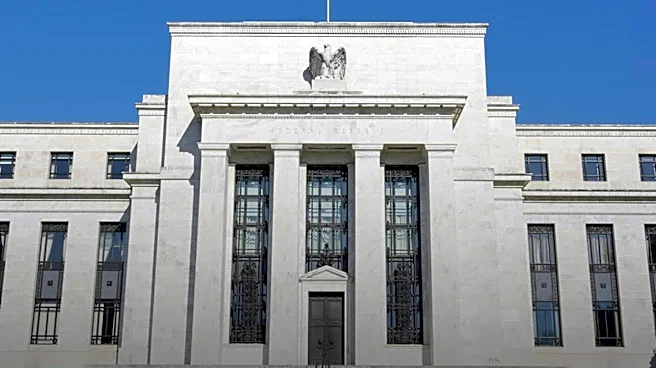
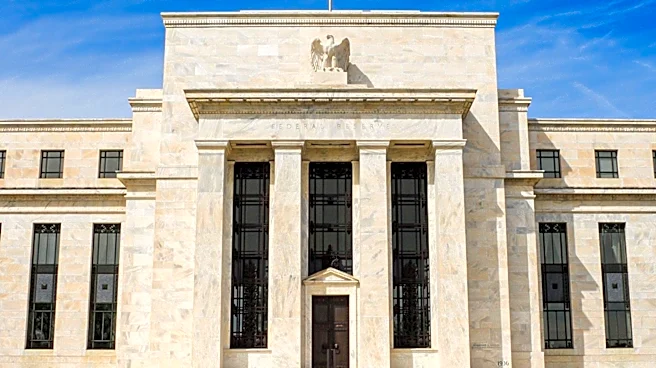
at or above 2.5%. This robust growth is expected to be accompanied by an uneven distribution of gains due to persistent inflation and restrictive monetary policies. Long-term interest rates are predicted to rise, with the 10-year Treasury yield climbing to approximately 5.2% by mid-2027. The Federal Reserve is expected to implement further rate hikes in December 2026 and March 2027, aiming to return inflation to its 2% target by 2028 or 2029. The forecast acknowledges significant uncertainties, including geopolitical tensions that could lead to a renewed energy shock and potential volatility in financial markets.
Why It's Important?
This forecast is crucial for U.S. industries and economic stakeholders as it outlines a path of sustained growth but highlights key vulnerabilities. Businesses can anticipate a strong consumer base, particularly from higher-income households, but must also prepare for sticky inflation and higher borrowing costs. The projected interest rate increases by the Federal Reserve will impact corporate financing and investment decisions, potentially slowing capital expenditures in some sectors. The uneven distribution of economic gains suggests that lower-income households may face continued pressure from inflation, affecting their spending power. The emphasis on geopolitical tensions and energy prices underscores the external risks that could disrupt the domestic economic trajectory, requiring businesses and policymakers to remain agile.
What's Next?
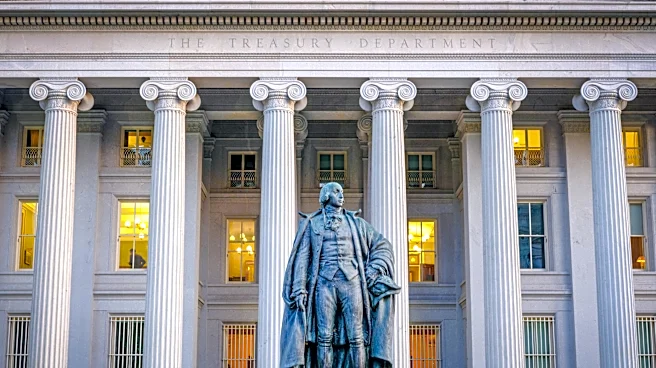
The Federal Reserve is expected to continue its tightening cycle with rate hikes in late 2026 and early 2027, after which it will monitor financial conditions and inflation. The Treasury Department plans to issue $1 trillion in government debt, which could introduce volatility and upward pressure on rates. Policymakers will need to navigate the balance between maintaining economic growth and curbing inflation, especially given the potential for external shocks like energy price increases. Businesses should prepare for a 'higher for longer' interest rate environment, impacting their weighted average cost of capital. The forecast also suggests that while AI investment may slow, a rotation of investment into the real economy could support middle-market companies.
Beyond the Headlines
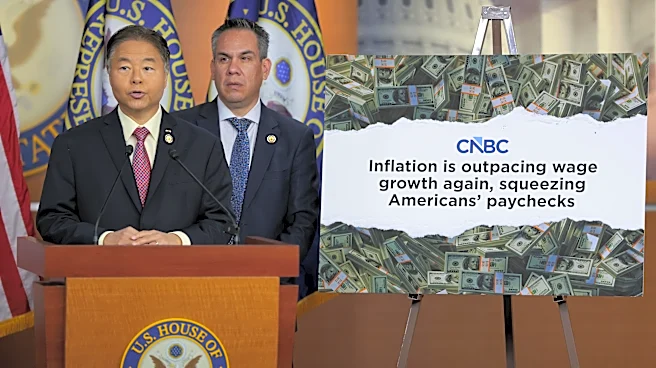
The report implicitly points to a 'K-shaped' economic recovery, where higher-income segments continue to thrive, while lower-income households struggle with inflation and declining real wages. This widening economic inequality could fuel public discontent and potentially influence future policy decisions. The reliance on rising equity valuations for sustained expansion also highlights a potential fragility; a significant decline in equities could prompt the Fed to reconsider its rate hike strategy. The ongoing debate about the Federal Reserve's underestimation of what it will take to restore price stability suggests a challenging period ahead for monetary policy, with potential implications for long-term economic stability and the credibility of central bank actions.