







What's Happening?
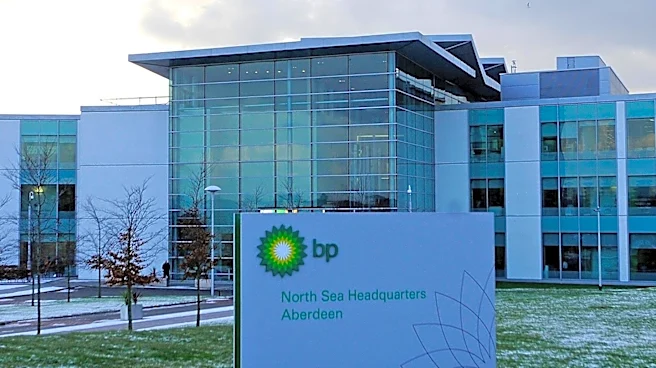
BP's new CEO, Meg O'Neill, has announced the sale of the company's North Sea oil and gas business, citing its lack of competitiveness in BP's capital allocation strategy. This move is part of a broader effort to streamline BP's portfolio and reduce its net
debt below $18 billion by the end of the year. The company is also selling its US biogas business, Archaea, and other assets, including a major refinery in Germany and Austrian fuel stations. BP's profits have surged due to increased oil and gas prices amid global tensions, allowing the company to accelerate its debt reduction plans.
Why It's Important?
BP's decision to sell its North Sea assets reflects a significant shift in its strategic priorities, focusing on financial stability and debt reduction. This move could influence other energy companies to reassess their portfolios and prioritize financial health over historical investments. The sale also highlights the challenges faced by traditional energy companies in balancing profitability with the transition to renewable energy. As BP divests from less competitive assets, it may redirect resources towards more sustainable energy projects, impacting the broader energy market and potentially accelerating the shift towards cleaner energy sources.
What's Next?
BP's asset sales and debt reduction efforts are likely to continue, with potential implications for its future investment strategies. Investors will be watching for announcements on share buy-backs and further divestments. The company's focus on financial health may lead to increased scrutiny of its environmental commitments and pressure to invest in renewable energy. Additionally, BP's actions could prompt discussions on government policies, such as the energy profits levy, which may need to be adjusted to encourage domestic energy production.