






What's Happening?
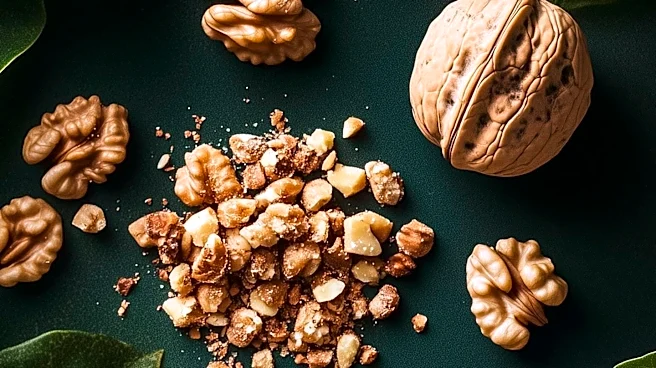
Black walnut trees, known scientifically as Juglans nigra, produce a chemical called juglone, which can inhibit the growth of many plants in their vicinity. This chemical is most concentrated in the buds, nut hulls, and roots of the tree. The phenomenon,
known as allelopathy, can cause symptoms in sensitive plants such as stunting, yellowing, wilting, or even death. The issue primarily arises when the roots of susceptible plants come into contact with the walnut tree's roots. While the presence of a walnut tree does not necessarily mean a barren landscape, it can affect the growth of certain plants.
Why It's Important?
Understanding the effects of juglone is crucial for gardeners and landscapers who may have black walnut trees on their property. The chemical's impact on plant growth can significantly alter the composition of a garden or landscape, affecting both aesthetic and functional aspects. This knowledge allows for better planning and management of plant species in areas where black walnut trees are present, ensuring that juglone-sensitive plants are either avoided or managed appropriately to prevent damage.
What's Next?
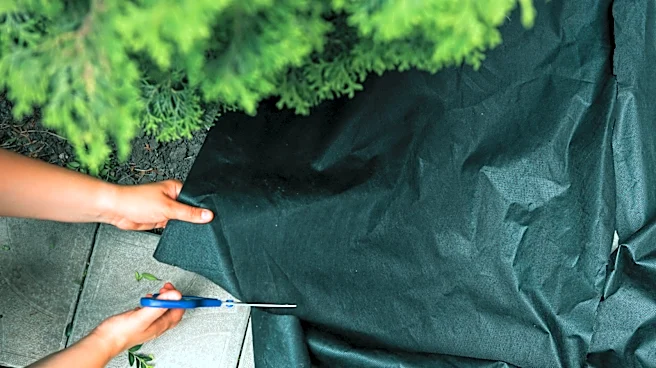
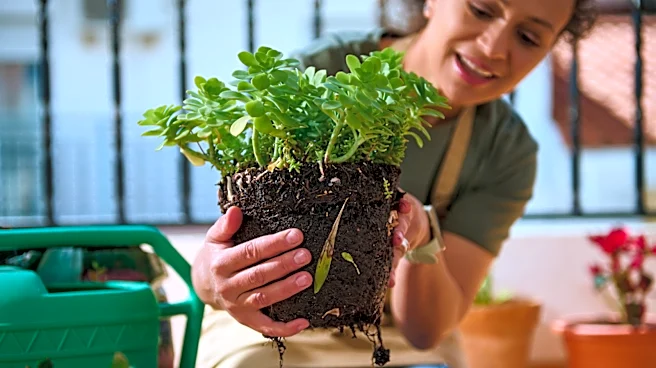
Gardeners and landscapers should consider using juglone-tolerant plants in areas near black walnut trees. Additionally, employing strategies such as root barriers or raised beds can help mitigate the effects of juglone. It is also advisable to avoid using walnut leaves or nut husks as mulch in garden areas. By taking these precautions, it is possible to maintain a healthy and diverse plant environment even in the presence of black walnut trees.