





What's Happening?
Triathletes frequently make significant errors in their strength training regimens, often neglecting it entirely or performing it incorrectly, according to triathlon coach David Winton of Purple Patch Fitness. Winton notes that many triathletes prioritize
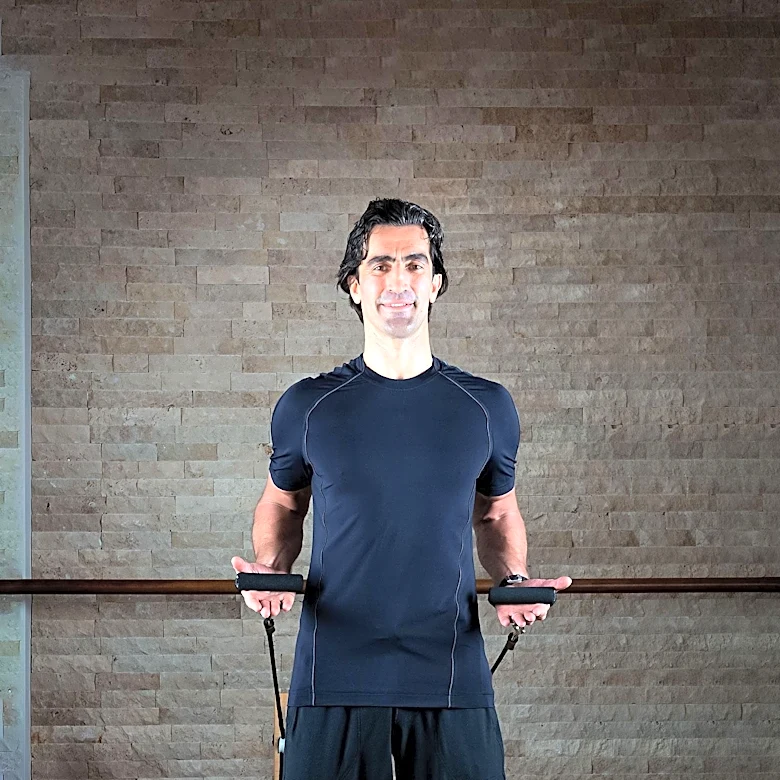
swimming, cycling, and running, viewing strength work as an afterthought or the first to be cut from a busy schedule. Common mistakes include not doing enough strength training sessions, lifting weights that are too light for too many repetitions, and chasing soreness rather than consistent, effective workouts. Winton advises triathletes to incorporate strength training twice a week during race season, potentially increasing to three or four sessions in the off-season. He emphasizes that these sessions do not need to be long, typically 30 to 40 minutes, and should focus on heavier weights with fewer reps and more rest to build mechanical strength and durability for endurance events.
Why It's Important?
The oversight of strength training by triathletes has significant implications for their performance and injury prevention. Neglecting strength work can lead to a lack of mechanical strength and durability, which are crucial for maintaining proper form and efficiency during long races like marathons or IRONMAN events. This can result in decreased performance in later stages of a race and an increased susceptibility to injuries. For the sports industry, this highlights a gap in athlete education and coaching, suggesting a need for more integrated training programs that emphasize the importance of strength conditioning alongside endurance training. Athletes who fail to incorporate effective strength training may experience shorter careers or require more frequent medical interventions for preventable injuries, impacting both individual athletes and the broader competitive landscape.
What's Next?
Coaches and training programs for triathletes are likely to increasingly emphasize the integration of consistent and appropriate strength training. Educational initiatives may be developed to inform triathletes about the specific benefits of strength training, such as injury prevention and improved endurance performance. There could be a shift in training methodologies, moving away from the misconception that strength training needs to be lengthy or lead to extreme soreness. Fitness technology and apps might incorporate more tailored strength training routines for endurance athletes. Ultimately, a greater understanding and adoption of effective strength training practices could lead to healthier, more resilient triathletes and enhanced competitive outcomes.
Beyond the Headlines
The issue of triathletes neglecting strength training reflects a broader challenge in sports culture where certain disciplines are often siloed. The focus on endurance in triathlon can overshadow the foundational role of strength in overall athletic performance and longevity. This mindset can lead athletes to push their bodies to limits without adequate structural support, increasing the risk of chronic injuries and burnout. Beyond physical implications, the psychological aspect of 'chasing soreness' or viewing strength training as secondary can hinder an athlete's holistic development. A more integrated approach to training, where strength is seen as complementary and essential, could foster a healthier and more sustainable athletic journey, promoting not just peak performance but also long-term well-being and enjoyment of the sport.