






What's Happening?
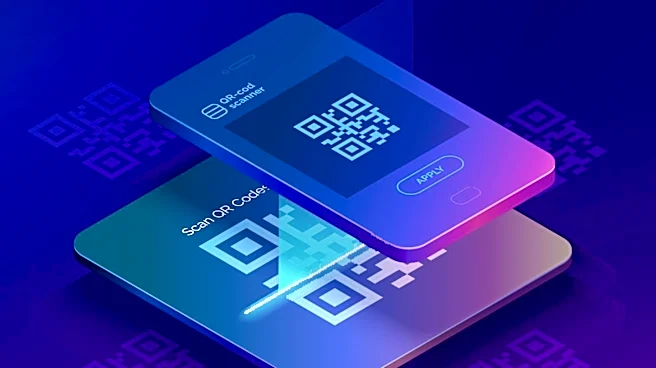
RightCrowd, a global provider of physical identity and access management (PIAM) software, has introduced RightCrowd Pass, a new credentialing solution designed to consolidate mobile, physical, and biometric access credentials onto a single platform. This
development addresses a common issue in large enterprises and universities where the integration of mobile and biometric credentials has led to fragmented access systems. Previously, organizations often managed these different credential types through separate systems, each with its own issuance and revocation processes, creating a lack of a unified view for security teams regarding who has access to specific areas. RightCrowd Pass aims to streamline this by allowing organizations to issue, suspend, and revoke credentials through existing systems via a web-based API, eliminating the need for additional consoles. According to Troy Johnston, Vice President, Credential Technologies at RightCrowd, this solution ensures that mobile credentials are fully visible and manageable within the same access program from the outset, preventing them from becoming a security blind spot.
Why It's Important?
The fragmentation of access control systems poses significant security risks and operational inefficiencies for U.S. enterprises and universities. Managing multiple, disparate credentialing systems can lead to vulnerabilities, as security teams may lack a comprehensive overview of access rights, increasing the potential for unauthorized entry or insider threats. RightCrowd Pass offers a unified approach that enhances security by providing a centralized management system for all credential types, including those tied to two-factor authentication on mobile devices. This not only strengthens access control but also improves operational efficiency by reducing the time and resources spent on managing lost or damaged badges. The ability to suspend or revoke mobile credentials in under 60 seconds, compared to the average 12.2 minutes for physical badges, represents a substantial improvement in incident response capabilities. Furthermore, the solution's compatibility with existing infrastructure from vendors like HID, Wavelynx, and LEGIC minimizes disruption and investment for organizations, making it a practical upgrade for enhancing physical security and compliance.
What's Next?
RightCrowd Pass is immediately available to both new and existing RightCrowd customers. Organizations currently utilizing RightCrowd SmartAccess can integrate this new feature into their existing deployments. For new customers, RightCrowd Pass serves as a standalone solution, with the option to expand to full PIAM capabilities later without switching vendors. The company is offering walkthroughs of RightCrowd Pass for interested parties. This launch is expected to prompt many large enterprises and universities to re-evaluate their current access management strategies, potentially leading to broader adoption of unified credentialing platforms. The integration of mobile credentials tied to two-factor authentication also aligns with growing trends in cybersecurity, pushing organizations towards more robust and flexible access solutions. The reduction in plastic card production associated with mobile credentials could also contribute to sustainability efforts, appealing to organizations focused on environmental, social, and governance (ESG) initiatives.
Beyond the Headlines
The introduction of RightCrowd Pass signifies a broader shift in physical security management, moving away from traditional, siloed systems towards integrated, digital solutions. This evolution has profound implications for how organizations approach security, privacy, and operational efficiency. By consolidating credential management, RightCrowd Pass not only mitigates the risk of fragmented access control but also enhances the overall security posture against increasingly sophisticated threats. The emphasis on mobile credentials tied to two-factor authentication reflects a growing reliance on personal devices for security, blurring the lines between digital and physical access. This trend could lead to a future where an individual's smartphone or biometric data becomes the primary key to both digital and physical spaces, raising new questions about data privacy, device security, and the potential for centralized control over personal access rights. The solution's contribution to sustainability credits also highlights the increasing intersection of security technology with environmental responsibility, suggesting that future security innovations will likely incorporate broader societal and ecological considerations.