






What's Happening?
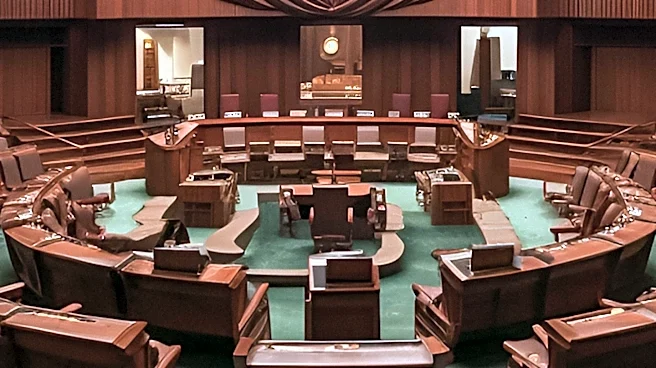
Senator Brian Schatz recently met with Hawaiian Airlines Flight Attendants in Honolulu to discuss concerns regarding the company's commitment to maintaining jobs and bid lines in Hawai'i. This meeting comes as Alaska Airlines is set to introduce limited
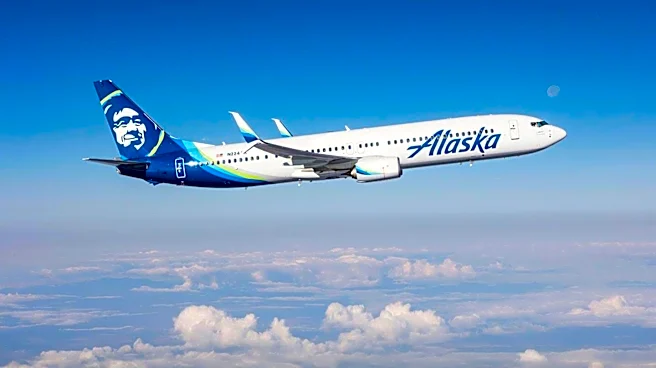
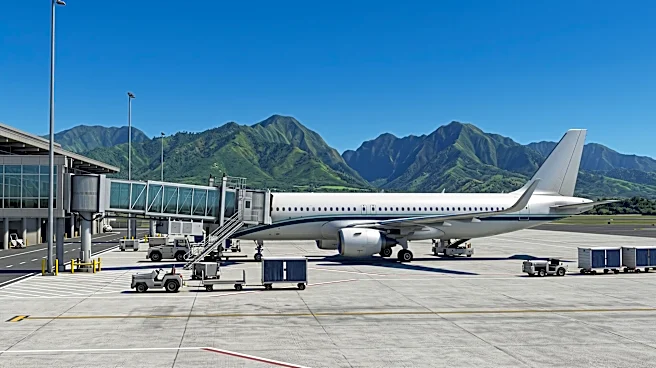
interisland flying with its 737-800 aircraft to supplement Hawaiian Airlines' network. The flight attendants' union, AFA Local Executive Council 43, is actively monitoring the situation to ensure that the supplemental flying remains limited and does not negatively impact existing bid lines for Honolulu-based flight attendants. The union has also engaged with other Hawai'i legislators at both state and county levels to hold Alaska Air Group accountable for its commitments to employees and the Hawaiian communities. The new interisland flights will primarily operate three roundtrip flights between Kahului (OGG) and Honolulu (HNL) during midday hours, with the Alaska 737s retaining their Alaska livery until a Joint Collective Bargaining Agreement (JCBA) is finalized and Hawaiian Airlines crews complete transitional training.
Why It's Important?
This development is significant for the U.S. airline industry, particularly in Hawai'i, as it highlights the complexities of airline mergers and their impact on labor. The engagement of Senator Schatz underscores the political and economic importance of maintaining local jobs and ensuring fair labor practices during corporate transitions. For Hawaiian Airlines employees, especially flight attendants, the preservation of their bid lines and job security is paramount. The union's proactive stance in monitoring the situation and engaging with political figures demonstrates the critical role of labor organizations in protecting workers' interests. The outcome of these discussions and the implementation of the supplemental flying could set a precedent for how future airline integrations handle labor concerns, potentially influencing employee relations and operational strategies across the industry. The situation also reflects the broader economic implications of airline operations on local economies, particularly in tourism-dependent regions like Hawai'i.
What's Next?
The situation is expected to evolve over the coming months as Alaska Airlines begins its limited interisland flying in October. The AFA Local Executive Council 43 will continue to closely monitor the impact on bid lines and job security for Hawaiian Airlines Flight Attendants. Further discussions and meetings between the union, company management, and political representatives are anticipated as the situation develops. The union has indicated its readiness to activate its Grievance Committees to enforce their contract if any changes lead to a loss of bid lines in Honolulu. Additionally, the union plans to hold a HNL Base Council Meeting in November, which will include updates from the AFA Negotiations Committee regarding the Joint Collective Bargaining Agreement (JCBA). This meeting will provide an opportunity for flight attendants to engage directly with the negotiating committee and stay informed about the progress of the joint negotiations.
Beyond the Headlines
Beyond the immediate concerns of job security and bid lines, this situation touches upon the cultural identity of Hawaiian Airlines within the broader context of corporate mergers. The union's emphasis on preserving the 'identity and culture at Hawaiian Airlines' suggests a deeper concern than just contractual obligations. It highlights the emotional and cultural ties employees have to their workplace, especially in a region with a strong cultural heritage like Hawai'i. The integration of Alaska Airlines' operations, even on a limited basis, raises questions about how corporate entities can merge while respecting and maintaining the distinct identities and values of acquired companies. This scenario could serve as a case study for future mergers, emphasizing the importance of cultural integration and employee morale alongside operational and financial considerations. The involvement of local politicians also underscores the role of government in mediating corporate actions that have significant local impact.