


What's Happening?
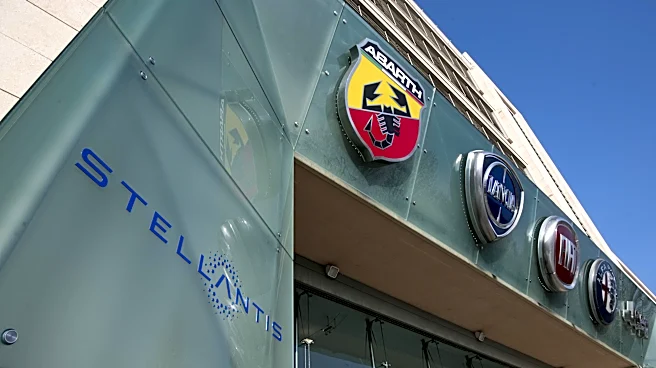
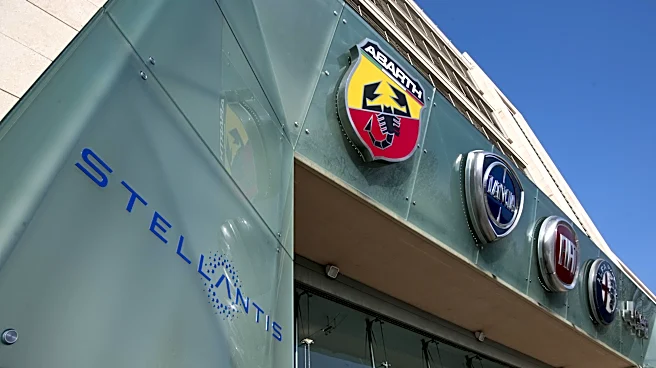
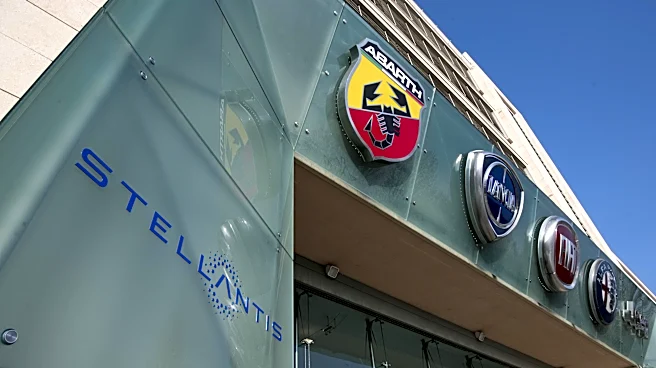
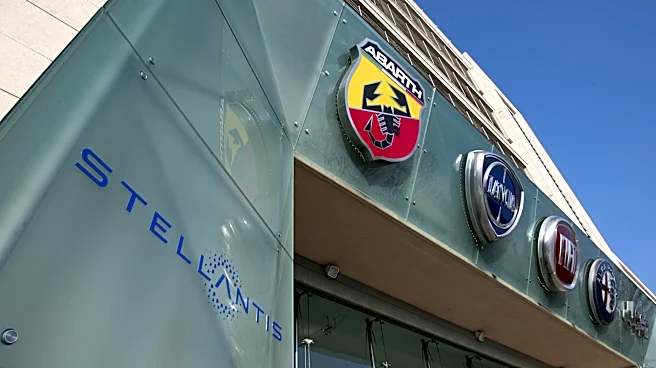
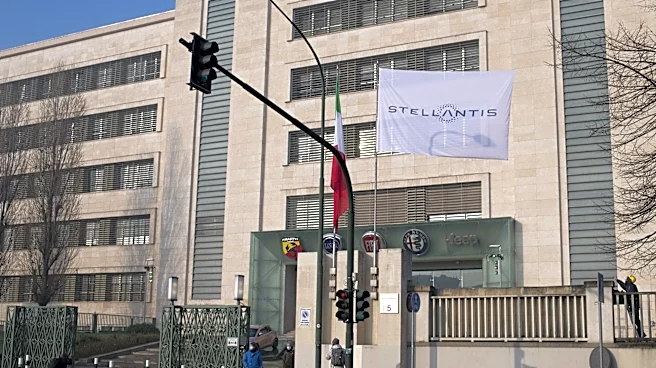
Automotive giant Stellantis is reportedly preparing to withdraw four of its brands—Peugeot, Citroen, Opel, and Lancia—from international motorsport. This move is part of a significant cost-cutting program initiated by Chief Executive Antonio Filosa, who
assumed his role in 2025. The restructuring program aims to achieve €6 billion (approximately $10 billion) in cost savings by 2028, as Stellantis seeks to address declining sales and profitability. The decision, if confirmed, would lead to the shutdown of the Stellantis Motorsport division, impacting Peugeot's involvement in the FIA World Endurance Championship (WEC), including the 24 Hours of Le Mans. Citroen and Opel's participation in Formula E, and Lancia's recently revived rally program, are also expected to be affected. An official announcement is anticipated following employee meetings in Europe on November 23. However, Stellantis' North American motorsport operations, including Dodge's planned return to NASCAR in 2027, are reportedly unaffected.
Why It's Important?
This reported withdrawal from international motorsport by Stellantis highlights a broader trend within the automotive industry where financial pressures are leading companies to re-evaluate non-core expenditures. For Stellantis, a company that owns 14 automotive brands, including Jeep, Fiat, Alfa Romeo, and Ram, this decision underscores a strategic shift towards fiscal consolidation and profitability. The move could free up substantial resources that can be reallocated to areas deemed more critical for the company's long-term sustainability, such as research and development for new vehicle technologies or market expansion. While the North American motorsport operations remain untouched, the global reduction in racing presence for brands like Peugeot and Lancia, which have historical success in motorsport, signifies a significant change in their brand strategy and marketing approach. This could impact brand visibility and enthusiast engagement in international markets, potentially affecting future sales and brand loyalty outside of North America.
What's Next?
An official announcement regarding the withdrawal from motorsport is expected following employee meetings scheduled for November 23 in Europe. If confirmed, the immediate consequence will be the cessation of racing activities for Peugeot, Citroen, Opel, and Lancia in various international series, including the FIA World Endurance Championship, Formula E, and WRC2. This will necessitate a re-evaluation of marketing and brand-building strategies for these brands in the affected regions. The cost savings generated from this withdrawal will be channeled into Stellantis' broader restructuring program, which aims for €6 billion in savings by 2028. The company will likely focus on optimizing its core automotive business and investing in areas that directly contribute to its profitability and market competitiveness. The unaffected North American motorsport operations, particularly Dodge's planned return to NASCAR, suggest a strategic prioritization of key markets and brand engagements.
Beyond the Headlines
The reported decision by Stellantis to pull several of its brands from international motorsport reflects a deeper industry-wide re-evaluation of the return on investment for high-cost marketing activities like racing. In an era of rapid technological change, including the shift towards electric vehicles and autonomous driving, automotive manufacturers are increasingly scrutinizing expenditures that do not directly contribute to these future-oriented initiatives. This move could signal a broader trend where traditional motorsport sponsorships and participation are scaled back in favor of investments in sustainable technologies and digital transformation. The ethical implications revolve around the impact on motorsport ecosystems, including teams, suppliers, and fan communities, who rely on manufacturer involvement. Culturally, it marks a potential shift away from motorsport as a primary brand-building tool for some legacy European brands, potentially altering their public perception and historical identity tied to racing success.