






What's Happening?
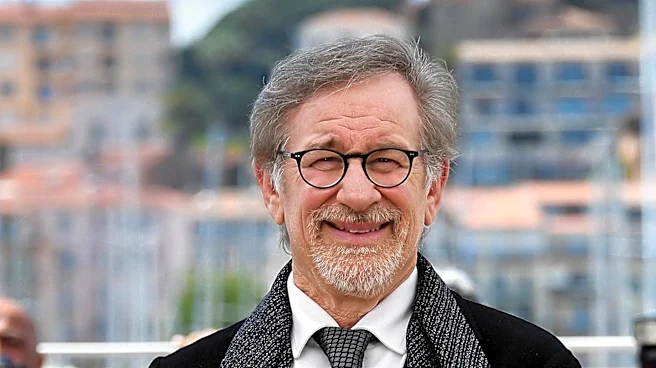
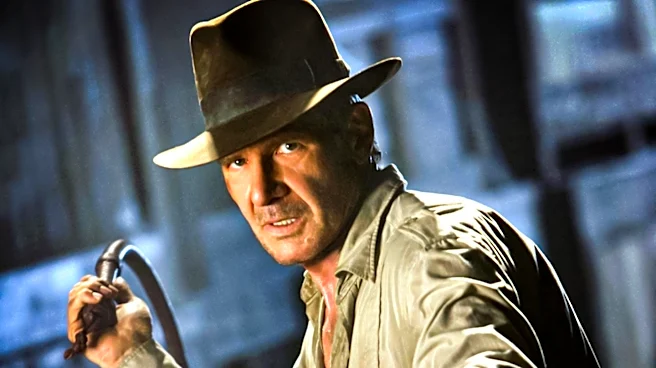
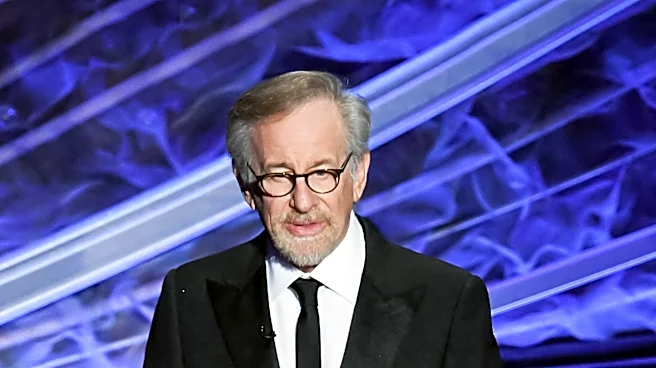
Renowned director Steven Spielberg and actor Harrison Ford have both voiced significant dissatisfaction with their 1984 film, 'Indiana Jones and the Temple of Doom.' Despite the film's status as a classic within the franchise, Spielberg has openly described
it as 'awful' and stated he was 'not happy with that film at all,' a sentiment that has remained unchanged for decades. Ford echoed this sentiment during the promotion of 'Indiana Jones and the Last Crusade,' noting he 'didn't like it as much as the original.' He felt there were 'some misjudgments' in its development, finding it 'too dark and too violent' for his taste. The creative team's third member, George Lucas, acknowledged that his personal struggles, including a divorce at the time, influenced his insistence on a darker and more somber storyline for the film, which ultimately came to fruition. This collective sentiment from the film's key creators highlights a rare public critique of their own work.
Why It's Important?
This revelation offers a unique insight into the creative processes and self-assessment of two of Hollywood's most influential figures. For film enthusiasts and critics, it provides a deeper understanding of how creators perceive their own work, even when it achieves commercial success and cult status. It also underscores the impact of personal circumstances on artistic output, as evidenced by George Lucas's influence on the film's dark tone. The differing opinions between the creators and some fans, such as Quentin Tarantino who considers 'Temple of Doom' a franchise highlight, illustrate the subjective nature of film appreciation. This discussion can influence how future generations of filmmakers approach their projects, encouraging a critical eye even on successful endeavors and highlighting the potential disconnect between critical reception, audience perception, and creator satisfaction.
What's Next?
While 'Indiana Jones and the Temple of Doom' remains a part of cinematic history, the creators' candid remarks may prompt renewed critical analysis of the film within academic and fan communities. Future retrospectives or documentaries on the 'Indiana Jones' franchise might delve deeper into the production challenges and creative decisions that led to Spielberg and Ford's dissatisfaction. This could also influence how studios approach sequels, potentially encouraging more collaborative and consensus-driven creative processes to ensure key figures are aligned with the final product. For Spielberg and Ford, their continued willingness to openly discuss past projects, even those they view critically, reinforces their reputations for artistic integrity and self-reflection, potentially setting a precedent for other industry veterans.
Beyond the Headlines
The candid admissions from Spielberg and Ford transcend typical film critiques, touching upon the psychological aspects of creative work. It highlights that even highly successful artists can harbor significant reservations about their own creations, suggesting that artistic fulfillment isn't always synonymous with commercial or critical success. This raises questions about the pressures faced by filmmakers to deliver a certain product versus their personal artistic vision. The influence of George Lucas's personal struggles on the film's tone also underscores the often-overlooked human element in large-scale productions, where personal life can inadvertently shape the art. This discussion encourages a more nuanced understanding of filmmaking, moving beyond simple box office numbers or critical acclaim to consider the creators' own experiences and satisfaction.