




What's Happening?
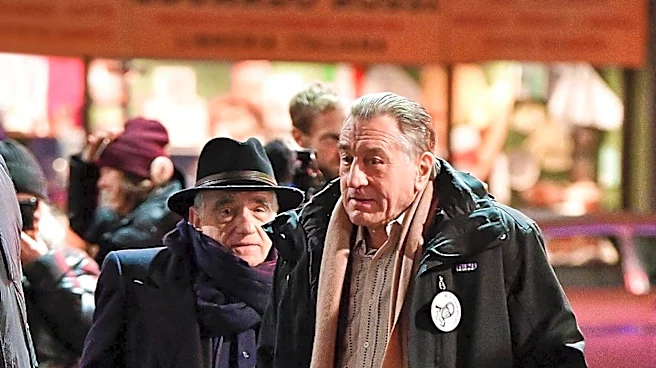
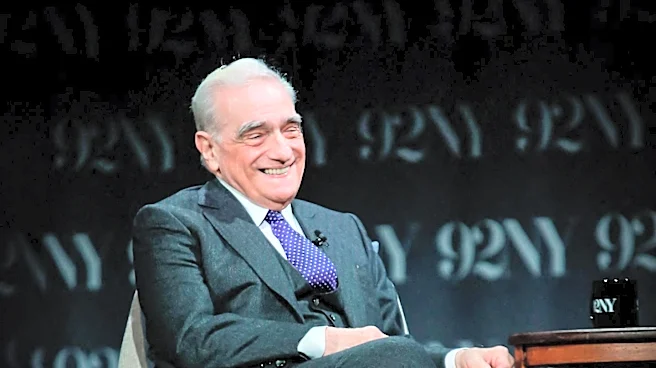
Renowned director Martin Scorsese has stated that Seth Rogen's 2014 film 'The Interview' was responsible for the cancellation of his planned 'Cleopatra' movie, which was set to star Angelina Jolie. During an interview with his daughter Francesca Scorsese at Tribeca,
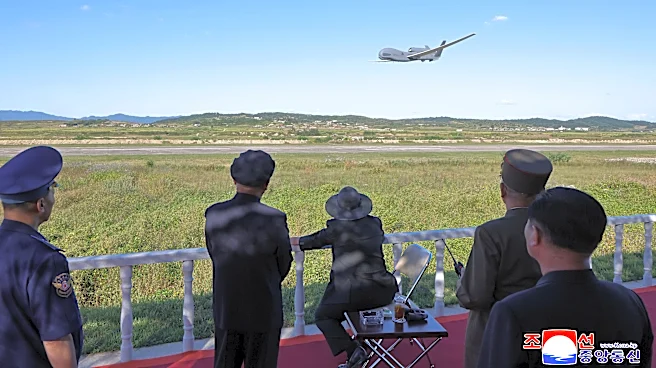
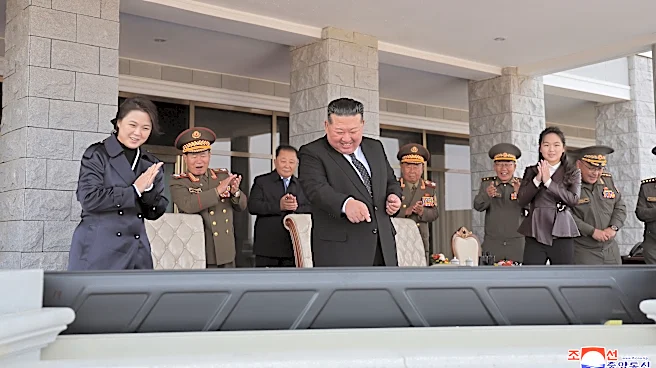
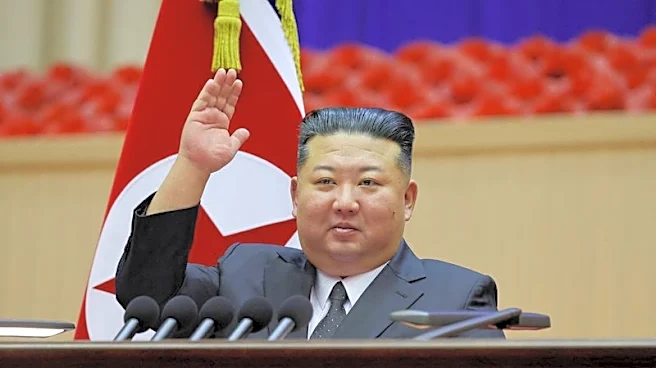
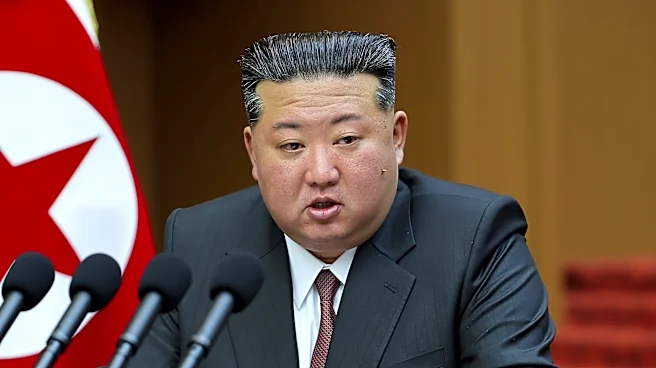
Scorsese recounted that the controversy surrounding 'The Interview' angered North Korean leader Kim Jong Un, leading to a significant cyberattack on Sony Pictures, the studio behind both films. Scorsese claimed that this incident 'blew up everybody at Columbia' (a Sony subsidiary) and ultimately 'ruined Cleopatra.' The 'Cleopatra' project, which aimed to cast Angelina Jolie as Cleopatra VII, had been in development for years, with various directors and screenwriters attached at different stages. The 2014 Sony hack, attributed to a North Korean state-sponsored group, exposed numerous private emails and data, including discussions about the 'Cleopatra' film, amidst the studio's preparations to release 'The Interview,' a comedy depicting a plot to assassinate Kim Jong Un.
Why It's Important?
This revelation highlights the far-reaching and unexpected consequences of geopolitical tensions on the entertainment industry. The alleged link between a satirical film and the shelving of a major historical epic underscores the vulnerability of Hollywood studios to international political backlash and cyber warfare. For Sony Pictures, the 2014 hack was a significant crisis, exposing sensitive internal communications and financial data, and disrupting its operations. Scorsese's claim suggests that the fallout from 'The Interview' extended beyond immediate security concerns, impacting creative projects and potentially altering the course of major film productions. It also illustrates how the perceived offense to a foreign leader can have tangible, negative effects on artistic endeavors and financial investments within the U.S. film industry, affecting filmmakers, actors, and studio executives.
What's Next?
While Scorsese's 'Cleopatra' project is unlikely to be revived in its original form, the director is moving forward with other projects, including 'What Happens at Night' for Apple Studios, starring Leonardo DiCaprio and Jennifer Lawrence. The broader implications for Hollywood involve continued vigilance against cyber threats and careful consideration of geopolitical sensitivities in film content, particularly when dealing with controversial subjects or international figures. Studios may continue to assess the potential for political repercussions when greenlighting projects that could provoke foreign governments. The incident serves as a historical case study for how external political events can directly interfere with artistic freedom and commercial ventures in the entertainment sector, prompting ongoing discussions about risk management and content strategy in a globally interconnected world.
Beyond the Headlines
The incident transcends a simple film cancellation, touching upon themes of artistic freedom, international relations, and corporate vulnerability in the digital age. The Sony hack demonstrated the potent weaponization of cyber capabilities by state actors against private entities, setting a precedent for how geopolitical disputes can spill over into the corporate realm. It also raises questions about the responsibility of filmmakers when creating content that might be perceived as provocative by foreign powers. The 'Cleopatra' project's demise, as described by Scorsese, symbolizes a broader tension between creative expression and the potential for real-world political and economic fallout. This event underscores the complex interplay between art, politics, and technology, suggesting that the entertainment industry operates within an increasingly intricate global landscape where creative decisions can have unforeseen and significant international consequences.