



What's Happening?
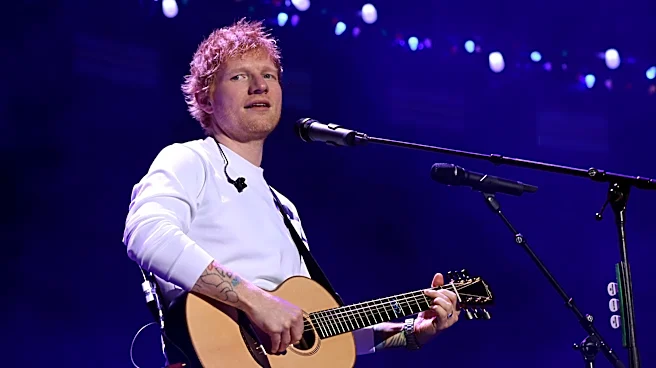
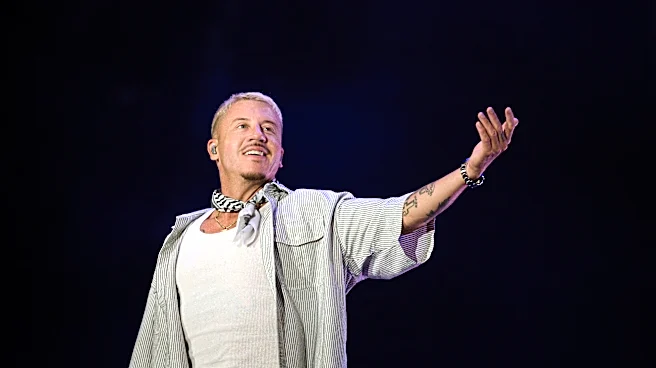
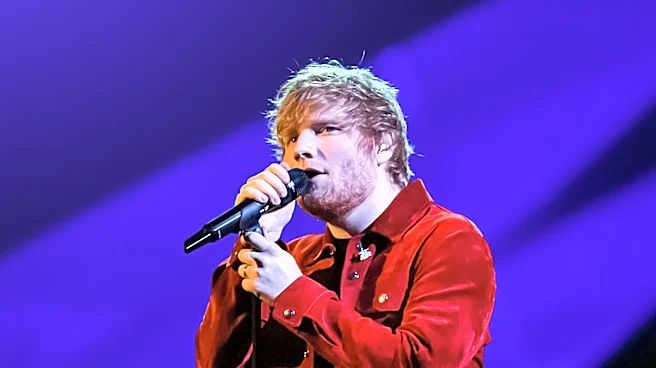
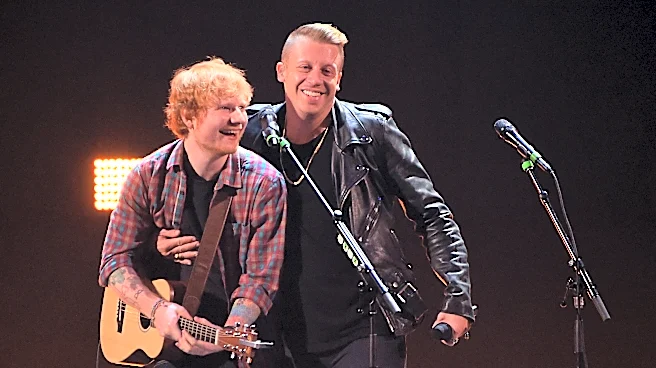
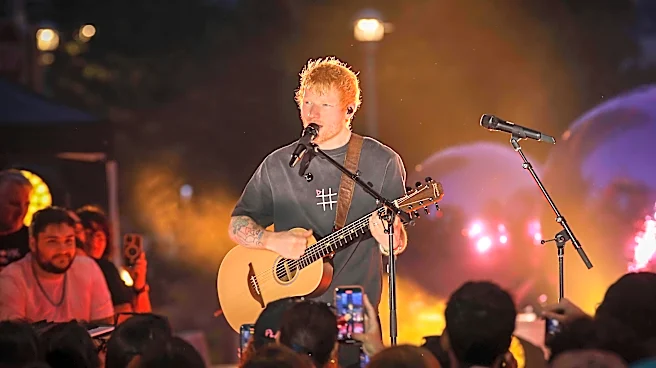
Irish hip-hop group Kneecap has publicly expressed solidarity with American rapper Macklemore after he was removed from Ed Sheeran's U.S. 'Loop Tour'. Macklemore confirmed his removal via Instagram, stating that Sheeran and his team made the decision.
This action followed Macklemore's onstage comments at MetLife Stadium in New Jersey, where he advocated for the people in Gaza and the West Bank, emphasizing that they should not be forgotten. A petition demanding his removal from the tour dates emerged after these comments. Kneecap posted a photo with Macklemore, captioning it: "All love and solidarity to @macklemore. FREE PALESTINE," and also commented on his post, "Free Palestine. They can never silence the truth." Other artists, including Irish singer CMAT, Paloma Faith, Bob Vylan, American rock band Garbage, Kehlani, Australian singer Tones and I, and Greta Thunberg, have also voiced support for Macklemore. Macklemore had previously joined over 1,100 artists in calling for a boycott of the Eurovision Song Contest due to Israel's inclusion.
Why It's Important?
This incident highlights the increasing intersection of artistic expression and political activism within the U.S. entertainment industry, particularly concerning the Israeli-Palestinian conflict. Macklemore's removal from a major tour due to his comments underscores the potential professional repercussions artists face when taking public stances on sensitive geopolitical issues. The widespread support from other musicians, including international acts like Kneecap, indicates a growing movement of artists willing to risk career impacts to advocate for their beliefs. This situation could influence how artists approach political commentary in their public platforms, potentially leading to more cautious statements or, conversely, galvanizing further artistic activism. It also brings into focus the power dynamics between artists, tour organizers, and public opinion, demonstrating how audience petitions and social media pressure can directly affect career opportunities. The incident reflects a broader societal debate on freedom of speech and the responsibilities of public figures in addressing global humanitarian crises.
What's Next?
The fallout from Macklemore's removal may continue to unfold, potentially influencing future tour decisions for artists who engage in political commentary. It could lead to increased scrutiny of artists' public statements by tour promoters and management teams, especially for high-profile events. The incident might also encourage more artists to publicly support Macklemore, further amplifying the discussion around artistic freedom and political advocacy. Conversely, it could prompt some artists to exercise greater caution to avoid similar professional consequences. The ongoing debate surrounding the Israeli-Palestinian conflict is likely to remain a sensitive topic within the entertainment industry, with artists continuing to navigate the complexities of expressing their views while managing their careers. This event may also spark further discussions among artist unions and advocacy groups regarding protections for artists who engage in political speech.
Beyond the Headlines
This event delves into the deeper implications of corporate responsibility and artistic integrity in the face of global political issues. The decision to remove Macklemore from the tour raises questions about the extent to which entertainment companies prioritize commercial interests over freedom of expression. It highlights a tension between the desire for artists to use their platforms for social commentary and the commercial pressures to maintain broad appeal and avoid controversy. The solidarity shown by other artists suggests a growing collective consciousness within the music industry regarding humanitarian causes, potentially fostering a more unified front against perceived censorship. This situation could also contribute to a broader cultural shift where audiences increasingly expect public figures to take stances on social and political issues, blurring the lines between entertainment and activism. The incident serves as a case study for the evolving role of artists as cultural and political influencers in a highly interconnected world.