


What's Happening?
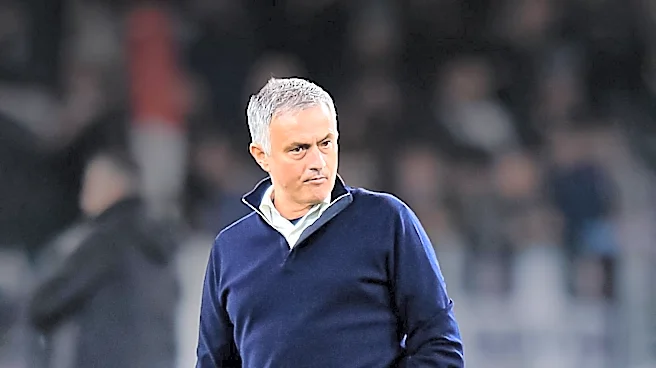
José Mourinho has initiated a discussion regarding the criteria for the Ballon d'Or award, asserting that it should recognize the world's best player rather than solely those who have won major trophies. Mourinho, a prominent football coach, suggested
that 'politics' can play a role in the voting process, implying that factors beyond on-field performance, such as nationality or club success, might influence the outcome. He emphasized that the award should honor players whose exceptional talent and influence transcend a single season or trophy, citing historical figures like Diego Maradona, Cristiano Ronaldo, Lionel Messi, Ronaldo Nazário, and Zinedine Zidane as examples of players whose greatness is unforgettable. Mourinho believes that while a strong team season can support a candidate's case, it should not automatically outweigh individual quality and impact. He specifically questioned the notion that winning the Champions League should be the sole determinant for the award, suggesting that if that were the case, the award could be given to the manager of the winning team.
Why It's Important?
Mourinho's comments are significant as they challenge the conventional perception and criteria often associated with one of football's most prestigious individual awards. By highlighting the potential for 'politics' to influence voting, he raises questions about the transparency and objectivity of the Ballon d'Or selection process. This critique could lead to increased scrutiny from fans, media, and other football personalities regarding how the award is judged. If the debate gains traction, it might pressure the organizers to clarify or re-evaluate the voting guidelines, potentially shifting the focus more towards individual brilliance and consistent performance over an entire career rather than just a single season's trophy haul. This could impact how players are perceived and how their legacies are shaped, potentially favoring those with sustained individual excellence over those who benefit from strong team performances in a given year. The discussion also underscores the ongoing tension between individual achievement and team success in a team sport.
What's Next?
The debate sparked by José Mourinho's remarks is likely to continue, with other football figures and media outlets weighing in on the criteria for the Ballon d'Or. This could lead to further discussions about the award's future, potentially influencing how voters approach their selections in upcoming years. While there is no immediate indication of a formal change in the award's structure or voting process, the increased public discourse might prompt the organizers to address the concerns raised about political influence and the balance between individual and team achievements. Future Ballon d'Or announcements will likely be met with heightened analysis regarding whether the chosen recipient truly embodies the 'best player in the world' as advocated by Mourinho, or if team success continues to be a dominant factor. The ongoing conversation could also encourage a more nuanced appreciation of individual player contributions, even if their teams do not win major trophies.
Beyond the Headlines
Beyond the immediate discussion of the Ballon d'Or, Mourinho's comments touch upon a broader philosophical debate within sports: how to accurately measure and reward individual excellence within a collective endeavor. This issue extends beyond football to other team sports where individual accolades often spark similar controversies. The idea that 'politics' can influence such awards also reflects a wider societal concern about fairness and impartiality in recognition systems. If the criteria for the Ballon d'Or are perceived as flawed or biased, it could diminish the award's prestige and credibility over time. This discussion also highlights the subjective nature of 'greatness' in sports, where different observers may prioritize different attributes—be it raw talent, leadership, consistency, or trophy count. Ultimately, Mourinho's intervention serves as a reminder that even in highly structured competitions, the human element of judgment and perception remains a powerful, and sometimes controversial, factor.