



What's Happening?
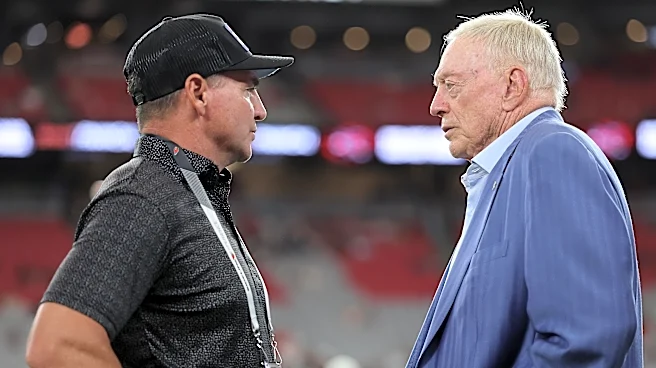
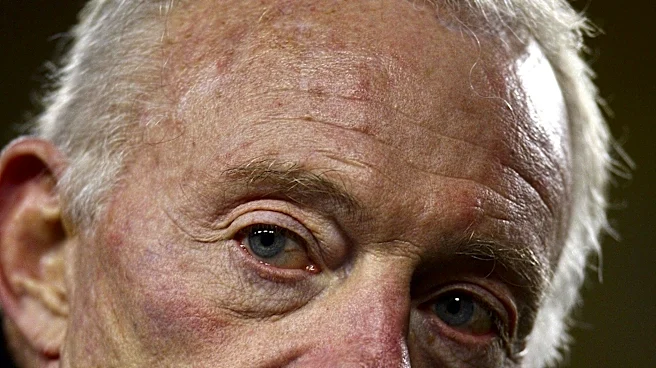
Jerry Jones, owner of the Dallas Cowboys, has indicated that an 18-game NFL regular season is likely to be implemented sooner than many anticipate. In an interview with Dallas-based KRLD-FM, Jones suggested that this expansion could occur as early as next
year, though he did not specify a definitive timeline. He framed the potential change as a 'swap' rather than a simple addition, implying a reduction in preseason games to accommodate the extra regular-season matchup. The NFL previously expanded its regular season to 17 games in 2021, which also involved shortening the preseason from four games to three. This proposed move would require negotiations with the NFL Players Association (NFLPA), which has previously expressed reservations about extending the regular season due to player health and safety concerns. JC Tretter, Executive Director of the NFLPA, has publicly stated his commitment to 'defend our players and their health' regarding such expansions.
Why It's Important?
The potential shift to an 18-game NFL regular season carries significant implications for various stakeholders. For the league and team owners like Jerry Jones, an extended season likely translates to increased revenue from broadcasting rights, ticket sales, and merchandise, bolstering the league's financial standing. However, this expansion poses considerable challenges for players, raising concerns about increased physical strain, higher risk of injuries, and the long-term impact on their health. The NFLPA's stance highlights a potential conflict between player welfare and the league's commercial interests, which could lead to contentious negotiations. For fans, an 18-game schedule means more regular-season football, potentially enhancing engagement and viewership, but it also raises questions about the quality of play if players are more fatigued. The balance between entertainment value, player safety, and financial gain will be a critical aspect of any such negotiation.
What's Next?
The immediate next step for any move towards an 18-game NFL regular season would involve formal negotiations between the NFL and the NFLPA. Given the NFLPA's stated concerns regarding player health, these discussions are expected to be complex and potentially protracted. The league would need to address player welfare issues, possibly through adjustments to training protocols, roster sizes, or compensation structures, to gain the union's approval. While Jerry Jones suggested the change could happen 'next year,' the ambitious timeline would depend heavily on the progress and outcome of these negotiations. Without a new collective bargaining agreement or a significant concession from the NFLPA, an immediate implementation seems challenging. The league's history of expanding its season indicates a long-term trend towards maximizing revenue, but player safety remains a key bargaining chip for the union.
Beyond the Headlines
Beyond the immediate financial and logistical considerations, an 18-game NFL season could trigger broader discussions about the commercialization of professional sports and the ethical responsibilities of leagues towards their athletes. The ongoing debate between maximizing entertainment and safeguarding player health reflects a tension prevalent across many professional sports. This potential expansion could also influence the future structure of college football and other feeder leagues, as the demands on athletes at lower levels might increase to prepare them for a more rigorous professional schedule. Furthermore, it could set a precedent for other major U.S. sports leagues considering similar expansions, prompting a reevaluation of season lengths and player workload across the professional sports landscape. The long-term health outcomes for players under an extended schedule will be a critical measure of the success and sustainability of such a change.