







What's Happening?
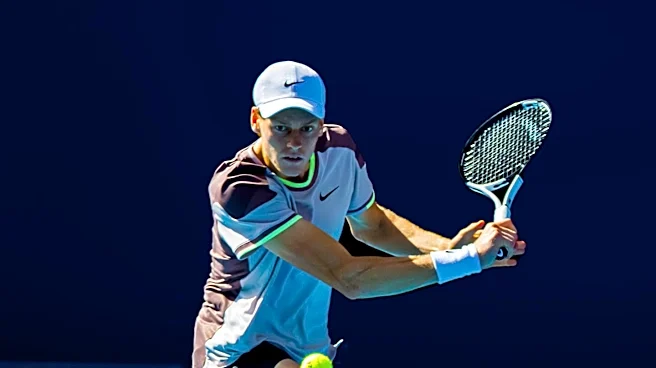
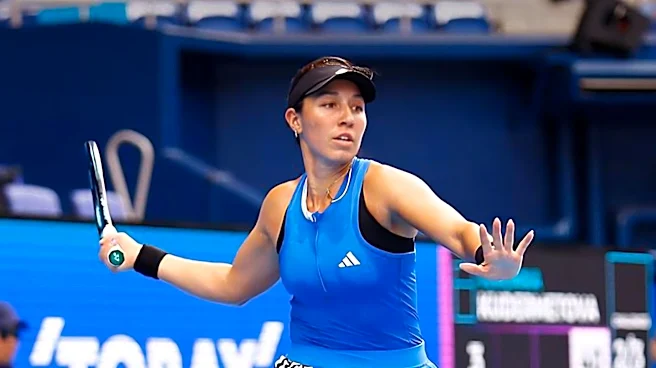
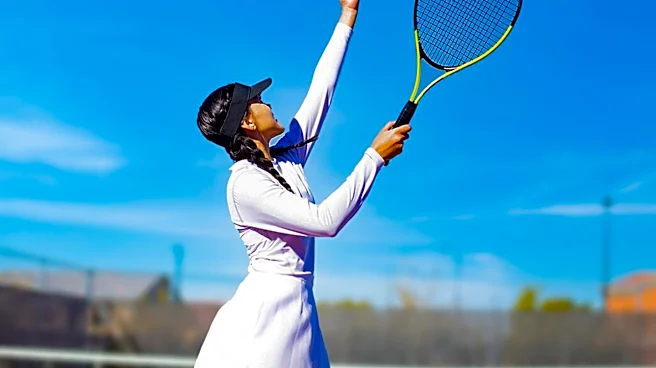
Acupuncture and Traditional Chinese Medicine (TCM) are increasingly being adopted by U.S. tennis players, from recreational to professional levels, as a complementary therapy for performance enhancement, injury recovery, and mental focus. Tennis, a physically
demanding sport requiring explosive power, endurance, precision, and mental fortitude, places significant strain on players' bodies, particularly shoulders, elbows, wrists, and lower limbs. Acupuncture, an ancient practice involving the insertion of fine needles into specific body points, stimulates the nervous system, improves blood flow, releases tension, and promotes natural healing. This drug-free approach is gaining traction among athletes seeking to avoid pharmaceutical side effects and dependency. It is utilized for pain relief from common issues like tennis elbow and shoulder impingement, faster recovery by enhancing circulation and reducing inflammation, and improved mobility and flexibility by relaxing muscle tension and improving joint movement. Additionally, acupuncture aids in injury prevention by addressing bodily imbalances and enhances mental focus and stress reduction through its calming effects on the nervous system, leading to improved sleep and clarity.
Why It's Important?
The growing acceptance of acupuncture in U.S. tennis signifies a broader shift in sports medicine towards holistic and integrative approaches to athlete care. This trend impacts the sports industry by creating new opportunities for alternative medicine practitioners within athletic organizations and potentially influencing how professional and collegiate sports teams manage player health and performance. For U.S. athletes, particularly tennis players, it offers a non-pharmacological option for managing chronic pain, accelerating recovery, and improving mental well-being, which can extend careers and enhance competitive longevity. The emphasis on drug-free solutions aligns with increasing concerns about doping and long-term health impacts of conventional pain management. This integration could also lead to more research into the efficacy of acupuncture in sports, potentially legitimizing its role further within mainstream sports science and healthcare. The adoption by high-profile athletes like Novak Djokovic further validates its importance, encouraging wider acceptance among the U.S. tennis community and beyond.
What's Next?
The continued integration of acupuncture into U.S. tennis training and recovery programs is anticipated. This may lead to increased demand for qualified acupuncturists specializing in sports medicine within athletic departments and professional sports organizations. Educational institutions and sports science programs might begin incorporating modules on complementary therapies like acupuncture. Furthermore, as more athletes experience positive outcomes, there could be a push for greater insurance coverage for acupuncture treatments for athletes, making it more accessible. Research efforts are likely to expand to further quantify the benefits of acupuncture in sports, potentially leading to standardized protocols for its application in injury prevention, recovery, and performance optimization. The success in tennis could also pave the way for its wider adoption across other physically demanding sports in the U.S., influencing broader trends in athlete health and wellness.
Beyond the Headlines
The embrace of acupuncture in U.S. tennis reflects a deeper cultural shift towards valuing traditional and holistic health practices alongside modern medicine. This development challenges conventional Western medical paradigms in sports, suggesting a growing openness to diverse healing modalities. Ethically, it raises questions about the balance between evidence-based medicine and patient-reported outcomes, and how sports organizations can best integrate these different approaches responsibly. Legally, the regulation and credentialing of acupuncturists within sports contexts may become a more prominent issue. Culturally, it highlights the influence of global health practices on American sports, as athletes and teams seek out effective treatments from around the world. This trend could also empower athletes to take a more active role in their health management, fostering a more personalized and comprehensive approach to well-being that extends beyond their athletic careers.