




What's Happening?
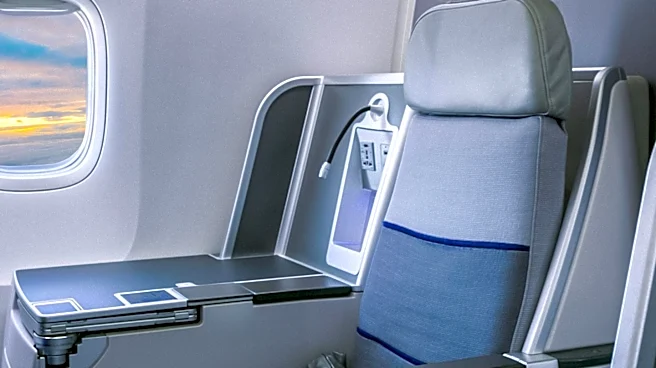
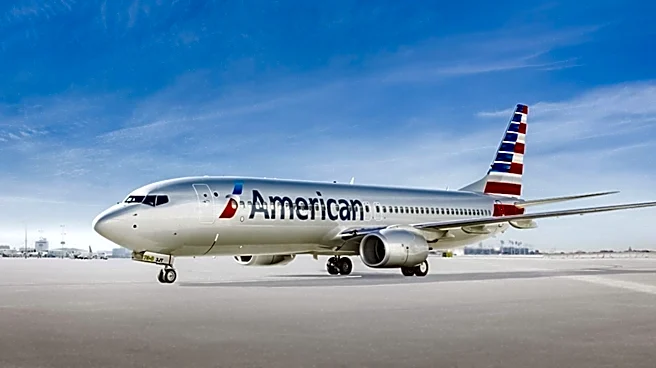
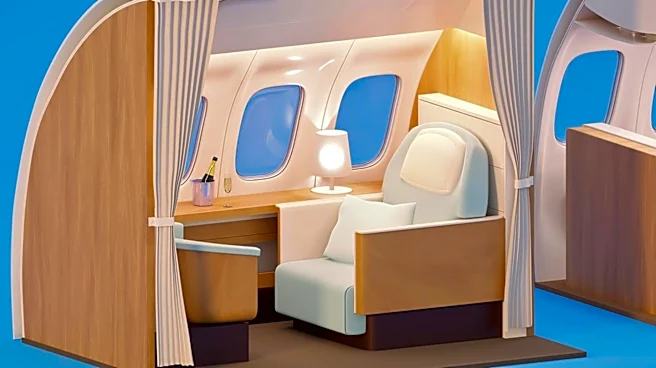
American Airlines is significantly increasing its premium seating capacity across its narrowbody fleet, aiming to raise the proportion of First Class and Main Cabin Extra seats from approximately 25% to about 40%. This expansion will be achieved through
both retrofitting existing aircraft and incorporating larger premium cabins in new aircraft deliveries, such as the forthcoming Boeing 737 MAX 10 and reconfigured A321neos. The airline's Airbus A319 and A320 fleets are already being retrofitted with an additional row of First Class. This initiative is part of a broader investment in the onboard experience, which also includes the reintroduction of seatback entertainment screens.
Why It's Important?
This substantial increase in premium seating reflects American Airlines' strategic response to strong demand for premium travel and a desire to enhance its competitive position against rivals like Delta Air Lines and United Airlines. By offering more First Class and Main Cabin Extra seats, American aims to capture a larger share of the lucrative premium market, where passengers are willing to pay more for additional space and comfort. This move will significantly impact the airline's revenue potential and profitability, as premium seats typically yield higher margins. For frequent flyers and business travelers, it means more opportunities for upgrades and a more comfortable travel experience, although it could also lead to increased competition for those upgrades. The shift indicates a long-term commitment to a more premium-focused domestic product, aligning American with industry trends observed in its major competitors.
What's Next?
The expansion of premium seating will be rolled out gradually over the coming years, impacting both new aircraft deliveries and existing fleet retrofits. This initiative, coupled with the reintroduction of seatback screens and the upcoming integration of Starlink internet services, signals a comprehensive overhaul of American Airlines' domestic product. The airline will likely focus on marketing these enhanced offerings to attract and retain high-value customers. Competitors will be closely observing American's strategy, potentially leading to further adjustments in their own premium cabin offerings to maintain market share. The increased availability of premium seats could also influence pricing strategies across the industry, as airlines vie for the attention of premium travelers.
Beyond the Headlines
American Airlines' aggressive expansion of premium seating goes beyond mere amenity upgrades; it represents a fundamental re-evaluation of its business model and target demographic. For years, the airline focused on cost efficiency, but this shift indicates a pivot towards a value-added strategy, recognizing that a significant segment of travelers prioritizes comfort and an elevated experience, even on domestic flights. This move could accelerate a broader trend in the U.S. airline industry where the distinction between 'economy' and 'premium' becomes more pronounced, potentially leading to a more stratified travel experience. It also highlights the growing importance of ancillary revenues from premium services, which can provide a more stable financial footing for airlines, especially during economic fluctuations. The long-term impact could be a more luxurious, albeit potentially more expensive, domestic air travel landscape.