





What's Happening?
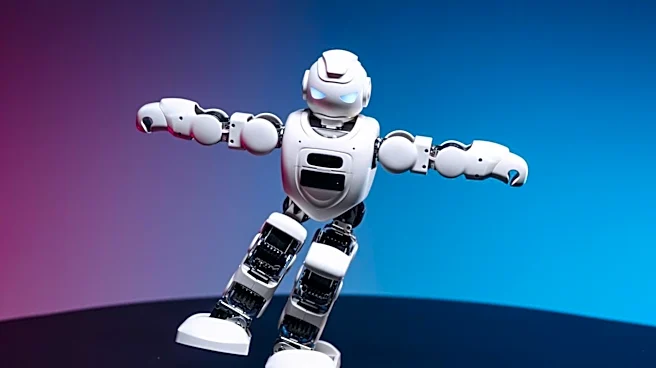
BMW Group has announced the deployment of the Figure 03 humanoid robot at its Spartanburg, S.C. plant, following successful tests with the previous Figure 02 model. The Figure 03 robot introduces new features such as tactile-sensor hands, palm cameras,
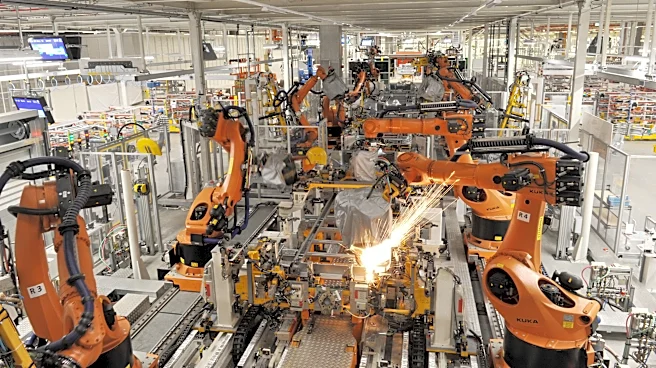
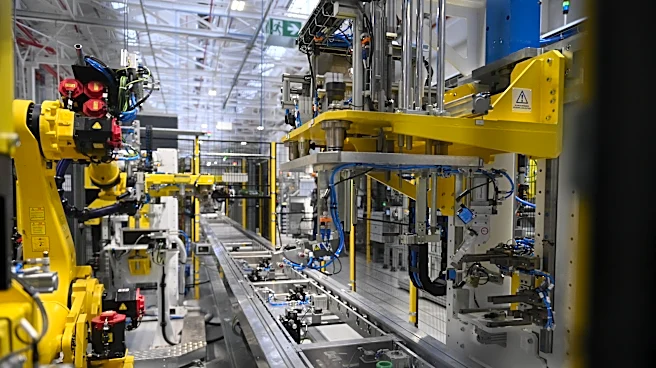
wireless charging, and speech-to-speech audio capabilities. These enhancements aim to improve precision, dexterity, and operational efficiency. The deployment is part of BMW's strategy to integrate humanoid robots into its manufacturing processes, particularly for tasks that are monotonous, ergonomically demanding, or safety-critical.
Why It's Important?
The integration of humanoid robots like Figure 03 into BMW's manufacturing processes represents a significant advancement in automation and the use of physical AI in the automotive industry. This move could lead to increased efficiency and safety in production, potentially reducing labor costs and improving product quality. The deployment also highlights the growing trend of using advanced robotics to address labor shortages and enhance operational capabilities. As BMW continues to explore the use of humanoid robots, it may set a precedent for other automakers to follow, potentially transforming manufacturing practices across the industry.
What's Next?
BMW plans to continue testing and integrating humanoid robots in its production facilities, with further deployments scheduled at its Leipzig plant in Germany. The company aims to explore additional applications for humanoids in battery and component production. As BMW refines its use of robotics, it may expand these technologies to other plants and production lines, potentially leading to broader adoption of humanoid robots in the automotive sector. The success of these initiatives could influence industry standards and encourage other manufacturers to invest in similar technologies.