

What's Happening?
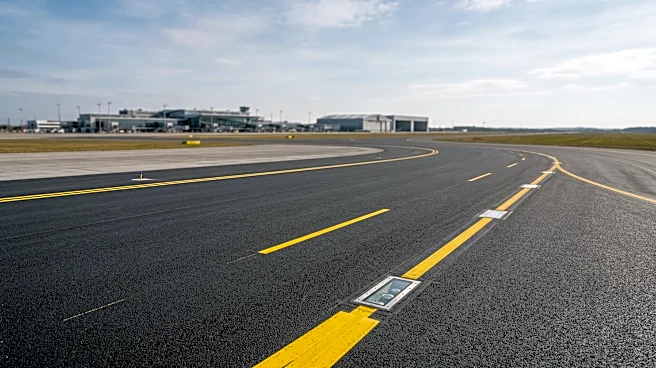
Gerald R. Ford International Airport in Cascade Township has finished a $5.2 million taxiway extension project. This development is intended to facilitate future aviation growth at the facility, located at 5500 44th St. SE. The completed extension is part
of ongoing infrastructure investments at the airport, which is the busiest airfield in the region. According to Crain's Grand Rapids Business, airport officials have identified approximately 50 acres as ideal for new aircraft hangars, maintenance facilities, and other aviation-related businesses, though specific tenants have not yet been named. In addition to this completed project, the airport received nearly $2.4 million through the Federal Aviation Administration's Airport Improvement Program. This federal funding, as reported by Michigan Advance and cited by U.S. Rep. Hillary Scholten's office, is allocated for phase-one design work on further infrastructure upgrades. These upgrades aim to enhance safety, prolong the lifespan of existing facilities, and increase overall airport capacity. Specifically, part of this grant will support the rehabilitation of Taxiway V, a crucial connection for commercial aircraft, expected to extend its useful life by at least 10 years. The grant will also fund lighting reconstruction for another taxiway and an extension for a third to accommodate more aircraft, with plans for additional hangar development.
Why It's Important?
This significant investment in infrastructure at Gerald R. Ford International Airport underscores a strategic move to bolster regional economic activity and aviation capabilities. The completion of the $5.2 million taxiway extension and the securing of an additional $2.4 million federal grant signal a commitment to long-term growth. By expanding capacity for aircraft hangars and maintenance facilities, the airport is positioning itself to attract new aviation businesses, which could lead to job creation and increased commercial traffic in West Michigan. The rehabilitation of critical infrastructure like Taxiway V ensures operational efficiency and safety for commercial aircraft, directly impacting the reliability of air travel for businesses and individuals. Furthermore, these projects are components of the airport's larger ELEVATE capital expansion program, which involves over $600 million in infrastructure investments. This comprehensive approach suggests a vision for sustained growth, aiming to enhance the airport's role as a key transportation hub and an economic engine for the region. The improvements are crucial for accommodating future demand and maintaining competitive operational standards.
What's Next?
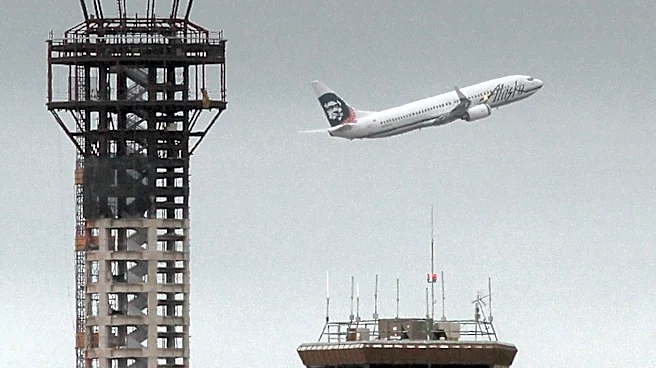
The Gerald R. Ford International Airport is set to continue its extensive ELEVATE capital expansion program, which includes over $600 million in infrastructure investments. The recently completed taxiway extension is just one component of this broader initiative. Future developments include the Terminal Enhancement Project, which commenced in April 2024 with a $135 million budget and is projected to conclude in 2027. This project aims to modernize and expand terminal facilities. Additionally, the airport plans to establish a federal inspection station to support nonstop international passenger flights, which would significantly broaden its service offerings and connectivity. Another key upcoming step involves the relocation of the federally owned air traffic control tower. This relocation is intended to free up space for further terminal-area development, including the construction of additional tenant hangars and expanded parking facilities. These planned projects collectively indicate a sustained period of construction and development aimed at increasing the airport's capacity, operational efficiency, and economic impact in the coming years.
Beyond the Headlines
The ongoing infrastructure development at Gerald R. Ford International Airport reflects a broader trend in regional airports across the U.S. to invest heavily in modernization and expansion. This trend is driven by increasing demand for air travel, the need to accommodate larger and more diverse aircraft, and the desire to attract aviation-related businesses as economic anchors. The airport's strategic allocation of 50 acres for future aviation development highlights a proactive approach to land use planning, aiming to create a synergistic environment for aviation companies. This could lead to the formation of an aviation cluster, fostering innovation and specialized services in the region. Furthermore, the integration of federal grants, such as those from the FAA's Airport Improvement Program, demonstrates the critical role of federal funding in supporting local and regional infrastructure projects that have national economic implications. The long-term vision of the ELEVATE program, including international flight capabilities and enhanced air traffic control, suggests a transformation of the airport from a regional hub to a more significant gateway, potentially altering local demographics and economic landscapes through increased tourism and business relocation.