



What's Happening?
A new lifestyle trend, termed 'Quiet Luxury,' is gaining prominence, shifting the definition of luxury from visible wealth and brand names to simplicity, quality, and thoughtful choices. This trend, which is expected to continue attracting attention in 2026,
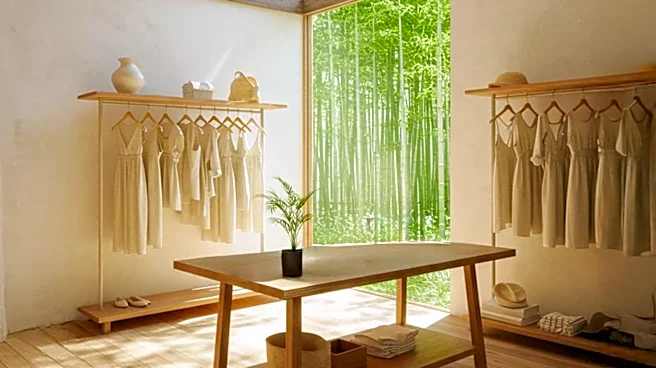
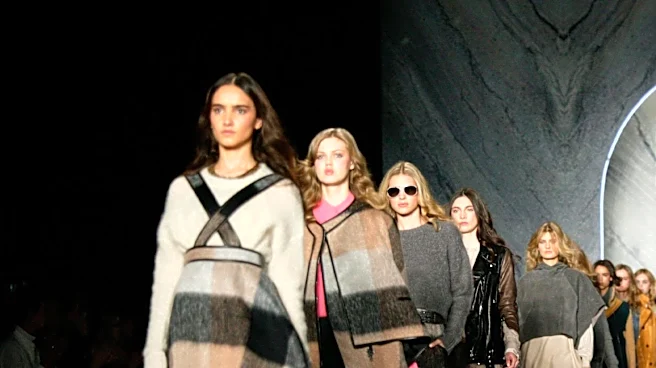
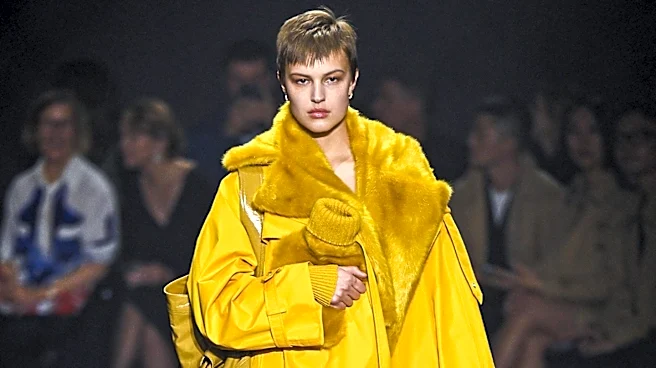
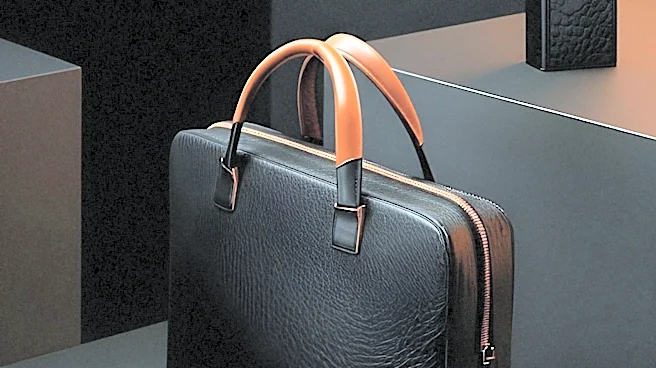
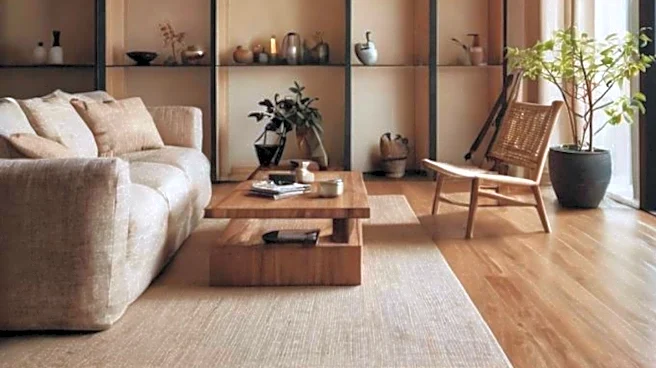
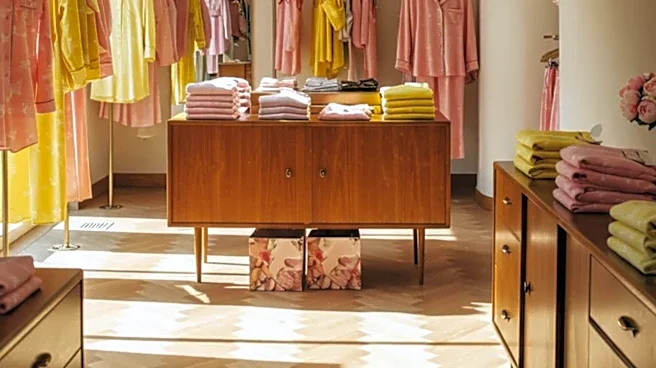
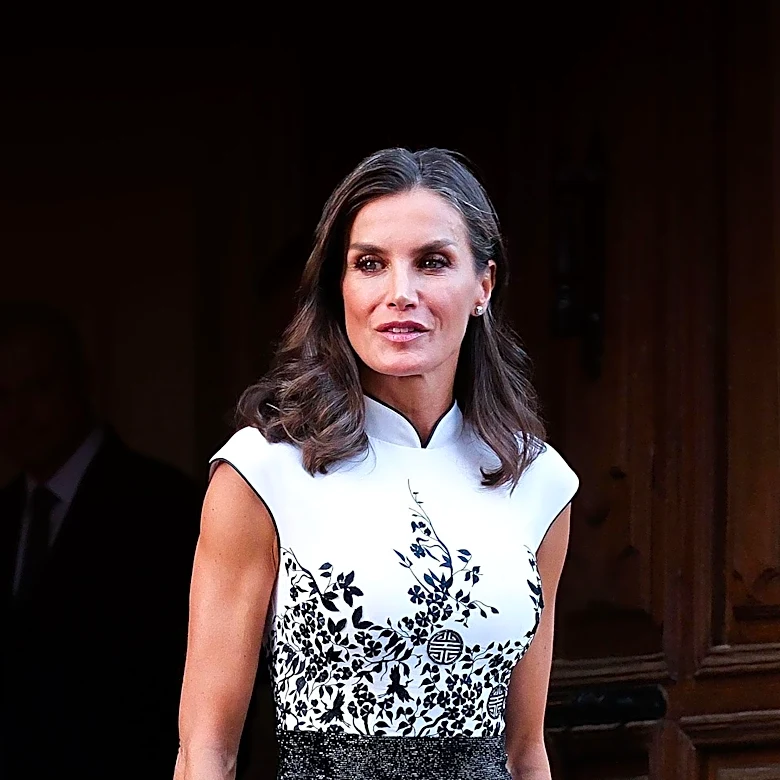
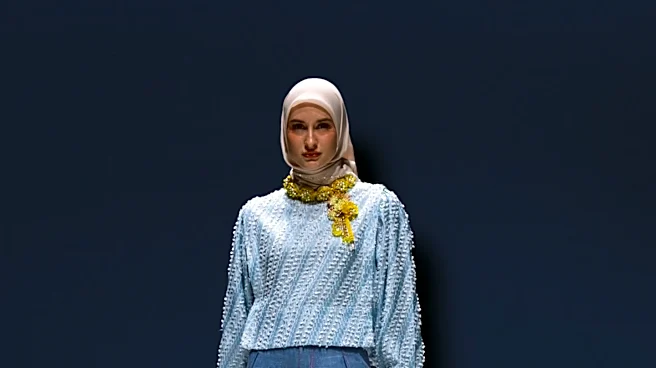
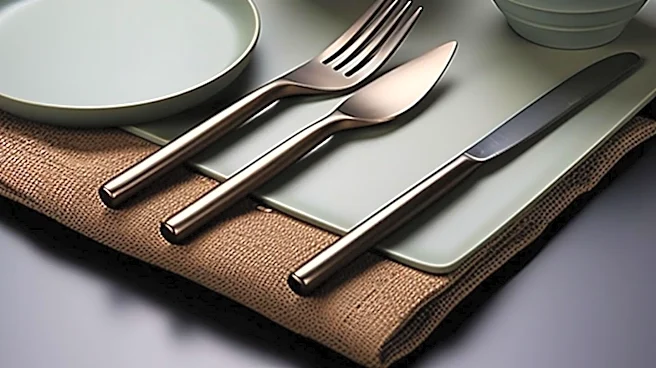
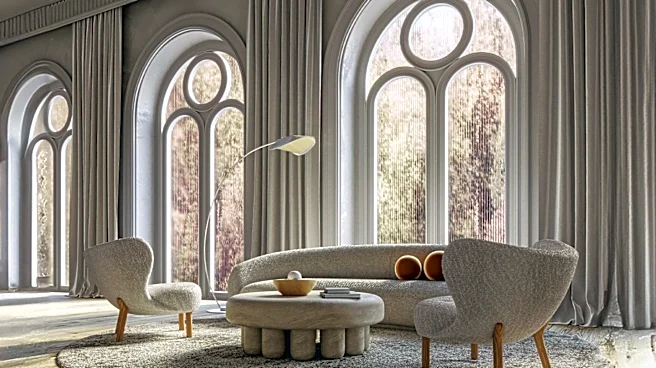
influences various aspects of life, including fashion, home interiors, beauty, and travel. It emphasizes investing in well-made, durable, and timeless items rather than products with prominent logos. The core principle is intentional living and appreciating lasting value over extravagant displays. This shift is driven by a growing interest in minimalism, a preference for quality over brand names, the influence of social media in popularizing understated aesthetics, and a desire for timeless style that resists fast-changing trends. Fashion in quiet luxury focuses on neutral shades and classic designs, while home interiors favor peaceful, comfortable spaces with natural materials and neutral palettes.
Why It's Important?
The rise of the 'Quiet Luxury' trend signifies a broader cultural shift in consumer values, moving away from overt materialism towards a more discerning and sustainable approach to consumption. This has significant implications for industries ranging from fashion and interior design to retail and hospitality. Brands that traditionally relied on logo-centric marketing may need to adapt by emphasizing craftsmanship, material quality, and timeless design. Consumers are increasingly prioritizing longevity and intrinsic value, which could lead to a reduction in fast fashion consumption and a greater demand for ethically produced, high-quality goods. This trend also reflects a societal desire for tranquility and authenticity in an increasingly noisy and fast-paced world, influencing how individuals curate their personal spaces and lifestyles. The emphasis on intentional living could foster more mindful consumption habits and a greater appreciation for understated elegance.
What's Next?
As the 'Quiet Luxury' trend continues to evolve, industries are likely to further integrate its principles into their offerings. Fashion brands may increase their focus on capsule wardrobes, versatile essentials, and high-quality fabrics, moving away from seasonal trend cycles. Interior design will likely see a continued emphasis on natural materials, minimalist aesthetics, and creating serene, clutter-free environments. The hospitality sector may also adapt by offering more understated yet luxurious experiences that prioritize comfort, personalized service, and timeless design over ostentatious displays. Consumers can expect to see more products and services marketed with an emphasis on durability, craftsmanship, and subtle sophistication. The influence of social media will continue to play a role, with content creators further popularizing minimalist aesthetics and intentional living practices, reinforcing the trend's reach and impact across various demographics.
Beyond the Headlines
The 'Quiet Luxury' movement extends beyond mere aesthetic preferences, touching upon deeper ethical and psychological dimensions. It challenges the traditional notion that luxury is synonymous with expense and visibility, promoting a more introspective and personal definition of value. This shift could encourage a more sustainable consumption model by valuing durability and timelessness over disposability, potentially reducing waste and environmental impact. Psychologically, it may reflect a desire for authenticity and a rejection of performative consumption driven by social media pressures. The trend also highlights a growing appreciation for the 'wabi-sabi' philosophy—finding beauty in imperfection and transience—which encourages a more accepting and less consumerist mindset. Ultimately, 'Quiet Luxury' suggests a societal yearning for substance, peace, and genuine quality in an era often characterized by superficiality and rapid change, fostering a more mindful approach to how individuals interact with their possessions and environments.