



What's Happening?
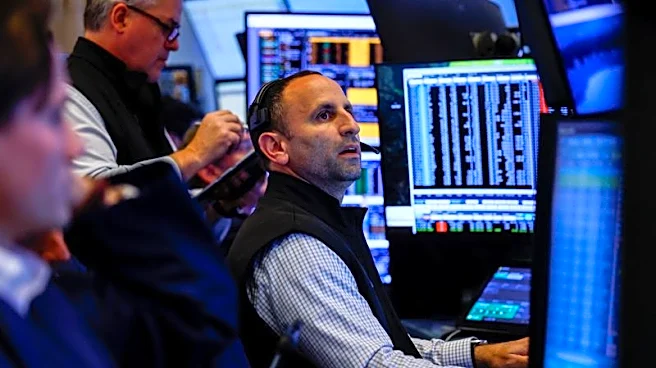
Yorkville Ives Partner and Senior Managing Director Dan Ives has characterized the recent market correction in technology stocks as a 'golden buying opportunity,' drawing parallels to significant market downturns such as the March 2020 COVID-19 crash.
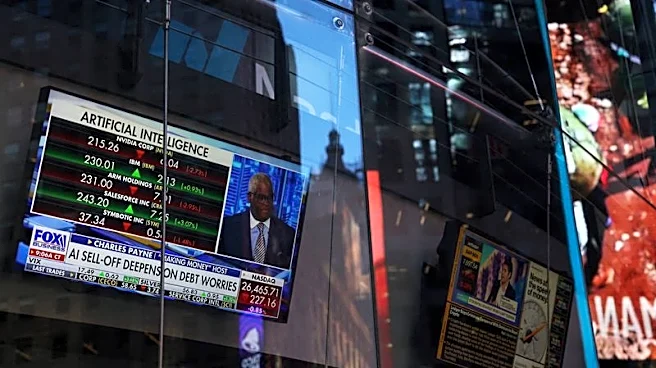
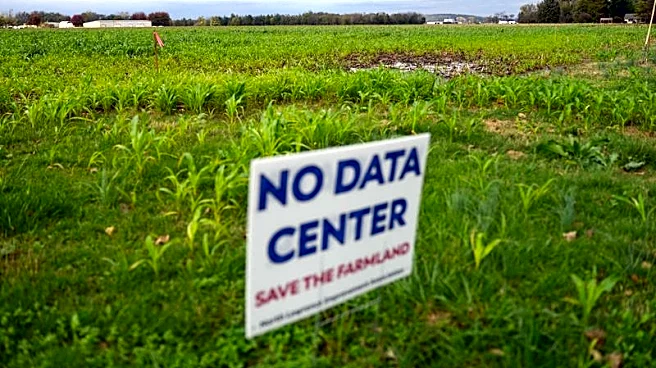
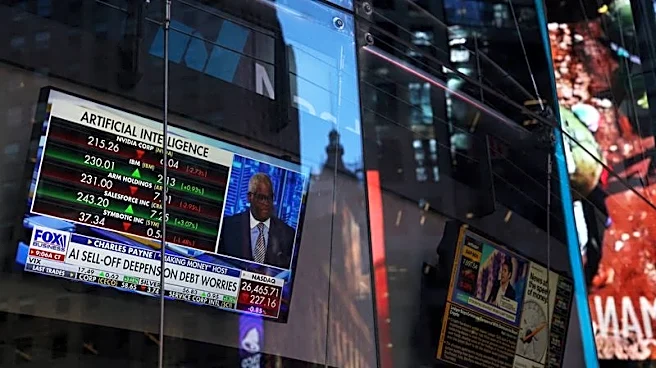
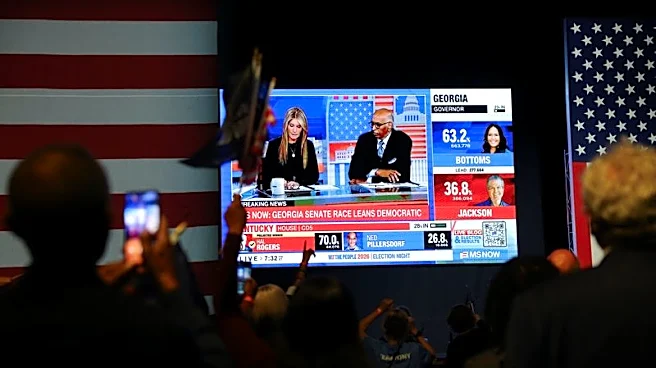
Ives's analysis, shared on November 6, addressed the 'massive tech sell-off' that followed concerns over a potential 'Blue Wave' in the midterm elections. Investors reportedly feared that a Democratic win could delay or disrupt the expansion of AI data center infrastructure in the U.S. Ives observed that the market's reaction was disproportionate, treating technology stocks, particularly semiconductor companies, as if the AI build-out would cease entirely. He explicitly rejected this premise, asserting that the AI infrastructure expansion would continue. He contextualized the current market volatility by comparing it to the 'April 2025 Liberation Day sell-off' and the 2020 pandemic-induced crash, framing these events as temporary setbacks that ultimately presented opportunities for investors to acquire leading technology stocks.
Why It's Important?
This assessment from a prominent analyst like Dan Ives carries significant weight for investors, particularly those in the U.S. technology sector. His perspective suggests that the recent market downturn, driven by political uncertainty, may not reflect the underlying strength and future growth trajectory of the artificial intelligence industry. If Ives's prediction holds true, investors who capitalize on the current lower valuations could see substantial returns as the AI infrastructure continues to expand. Conversely, those who divest based on short-term political fears might miss out on potential gains. The sentiment around AI stocks directly impacts the valuation of major U.S. tech companies and semiconductor manufacturers, which are crucial components of the broader U.S. economy. A sustained belief in the AI sector's growth, despite political shifts, could stabilize market confidence and encourage continued investment in technological innovation and development within the United States.
What's Next?
Following Dan Ives's strong endorsement, the market will likely watch for signs of stabilization or recovery in technology and semiconductor stocks. Investors may re-evaluate their positions, potentially increasing their holdings in AI-related companies if they align with Ives's long-term optimistic outlook. The performance of key tech indices, such as the iShares Semiconductor ETF (SOXX), the S&P 500, and the Nasdaq Composite, will be closely monitored for any rebound. The actual impact of the midterm election results on policy related to AI infrastructure development will also be a critical factor. If the perceived political hurdles to AI expansion prove to be less significant than initially feared, investor sentiment could shift positively, leading to a market correction upwards. Conversely, any concrete policy changes that genuinely impede AI data center build-out could challenge Ives's optimistic view and prolong market uncertainty.
Beyond the Headlines
The market's reaction to potential political shifts, as highlighted by Ives, underscores the intricate relationship between U.S. politics and economic sectors, particularly high-growth areas like artificial intelligence. The immediate sell-off based on fears of a 'Blue Wave' illustrates how investor sentiment can be highly sensitive to perceived political risks, even when the long-term fundamentals of an industry remain strong. This situation also brings to light the ongoing debate about the resilience of technological advancement against political cycles. The AI industry, with its significant capital expenditure requirements for data centers and hardware, is particularly susceptible to policy changes related to infrastructure, regulation, and international trade. The narrative that a specific political outcome could 'end the AI buildout' reflects a broader anxiety about governmental influence on innovation and economic growth, suggesting that the perceived stability of the political environment is as crucial as technological progress itself for investor confidence.