





What's Happening?
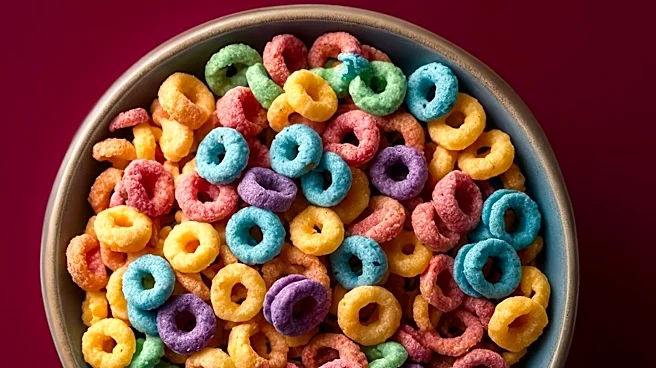
Post Consumer Brands is emphasizing the lasting popularity of several of its classic breakfast cereals, including Grape-Nuts, PEBBLES, Golden Crisp, Honey-Comb, and Waffle Crisp. These cereals, some dating back to 1897, continue to resonate with consumers
by evoking a sense of nostalgia. The company notes that while recipes, packaging, and marketing have evolved over time, the core appeal of these products remains rooted in the memories they inspire. Grape-Nuts, introduced by C.W. Post, is highlighted as one of the oldest cereal brands still available, maintaining its original wheat and barley formula. PEBBLES cereals, launched in 1971, were groundbreaking as the first to feature licensed television characters from The Flintstones. Golden Crisp, originally Sugar Crisp, is recognized for its iconic mascot, Sugar Bear. Honey-Comb, introduced in 1965, stood out with its distinctive shape and imaginative characters like the Honeycomb Kid and Crazy Craving. Waffle Crisp, a 1990s creation, aimed to replicate the flavor of warm waffles with maple syrup, appealing to the era's experimental spirit in cereal development.
Why It's Important?
The enduring success of these nostalgic cereals underscores a significant trend in the U.S. food industry: the power of emotional connection and familiarity in consumer choices. In a competitive market, brands that can tap into consumers' fond memories and routines often secure a loyal customer base across generations. This strategy allows companies like Post Consumer Brands to maintain relevance for products that have been on the market for decades, even as new food trends emerge. The continued demand for these classic cereals also reflects a broader cultural appreciation for heritage brands and the comfort they provide. For the U.S. food sector, this highlights the value of brand longevity and the strategic importance of marketing that emphasizes tradition and emotional resonance, rather than solely focusing on innovation. It also demonstrates how packaging and character development can play a crucial role in establishing and maintaining a brand's identity and appeal over time.
What's Next?
Post Consumer Brands will likely continue to leverage the nostalgic appeal of these cereals through updated packaging designs that balance modern aesthetics with nods to their historical roots. Special-edition releases, such as Birthday Cake PEBBLES and Cinnamon PEBBLES, are expected to keep the brands fresh while honoring their legacy. The company may also explore new marketing campaigns that highlight the multi-generational appeal of these cereals, potentially featuring stories from consumers who grew up with the products. Given the success of character-driven marketing, there could be renewed efforts to feature mascots like Sugar Bear and the Flintstones characters more prominently in advertising. The focus will likely remain on reinforcing the emotional connections consumers have with these brands, ensuring their continued presence in U.S. breakfast routines.
Beyond the Headlines
The phenomenon of nostalgic cereals extends beyond mere breakfast choices; it reflects a deeper cultural yearning for simpler times and familiar comforts in an increasingly complex world. These cereals serve as tangible links to childhood memories, family traditions, and a sense of continuity. The evolution of their packaging and marketing over the decades mirrors shifts in American consumer culture, from early emphasis on nutrition and wellness to the rise of licensed characters and bold, playful designs. The ability of these brands to adapt while retaining their core identity speaks to the powerful role of cultural touchstones in shaping consumer behavior. This trend also highlights the psychological aspect of consumption, where products are not just goods but vessels of personal and collective history, offering a sense of stability and warmth in a rapidly changing society.