





What's Happening?
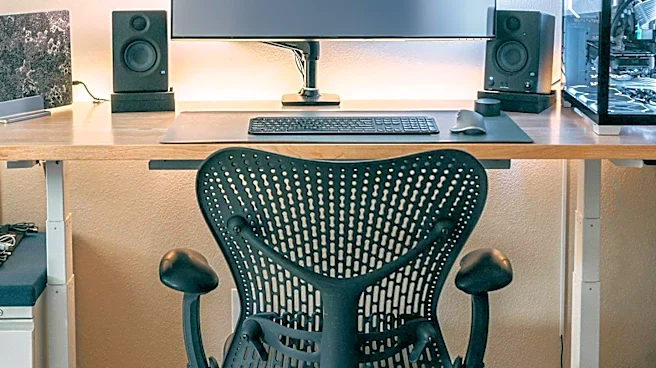
Setting up an effective home office involves prioritizing ergonomic comfort, appropriate lighting, and efficient organization, especially for individuals working remotely. Key recommendations include using an adjustable standing desk and a comfortable
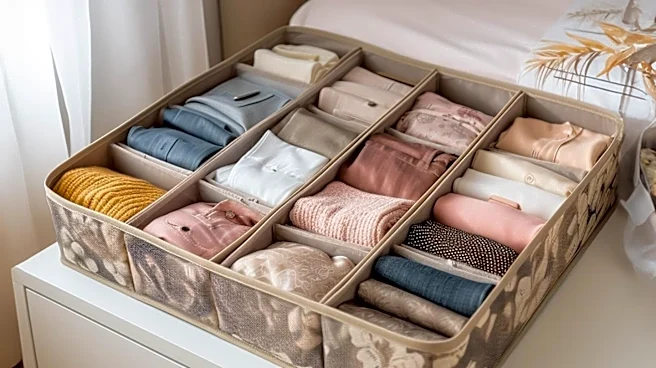
chair to maintain good posture. For lighting, a side task light or monitor light bar is suggested to prevent glare and shadows, as overhead lighting can be problematic. Storage solutions such as drawers, open shelves, or file cabinets are crucial for keeping supplies organized. If space is limited, compact desks, like the IKEA TROTTEN Desk, can be utilized in corners or closets. Personalizing the workspace with stylish accessories is also encouraged to make the environment feel more integrated with the home rather than a traditional office cubicle. The goal is to create a functional and comfortable space that supports sustained productivity.
Why It's Important?
The shift towards remote work has made well-designed home offices critical for employee well-being and productivity across various U.S. industries. An ergonomically sound setup can mitigate health issues like neck strain and eye fatigue, which can lead to increased healthcare costs and decreased efficiency. Proper lighting reduces eye strain, enhancing focus and reducing errors. Effective organization minimizes clutter, which can be a significant distraction, thereby improving concentration and workflow. For businesses, supporting employees in creating optimal home office environments can lead to higher job satisfaction, reduced absenteeism, and improved output. Individuals benefit from a healthier, more comfortable, and more productive work experience, blurring the lines between home and work in a positive way. This trend also impacts the furniture and home goods markets, driving demand for ergonomic and space-saving solutions.
What's Next?
As remote and hybrid work models continue to evolve, the demand for innovative home office solutions is expected to grow. Manufacturers will likely focus on developing more adaptable and aesthetically pleasing furniture that integrates seamlessly into residential spaces. There will be an increased emphasis on smart lighting solutions that can adjust to different tasks and times of day, as well as modular storage systems that can be reconfigured as needs change. Additionally, the market for accessories that enhance comfort and productivity, such as monitor arms, cable management systems, and ergonomic keyboards, will expand. Employers may also offer more comprehensive guidelines or stipends for home office setups, recognizing the direct link between a well-equipped workspace and employee performance and retention.
Beyond the Headlines
The emphasis on home office design extends beyond mere functionality, touching upon psychological and cultural aspects of work-life integration. A personalized and comfortable home office can foster a sense of ownership and well-being, transforming a utilitarian space into a personal sanctuary for work. This can blur the traditional boundaries between professional and personal life, potentially leading to both benefits, such as greater flexibility, and challenges, like difficulty disconnecting. The aesthetic integration of work tools into home decor reflects a broader cultural shift where work is no longer confined to a separate, sterile environment but is woven into the fabric of daily life. This also raises questions about the long-term impact on urban planning, commercial real estate, and the social dynamics of work, as more people spend significant portions of their careers working from home.