






What's Happening?
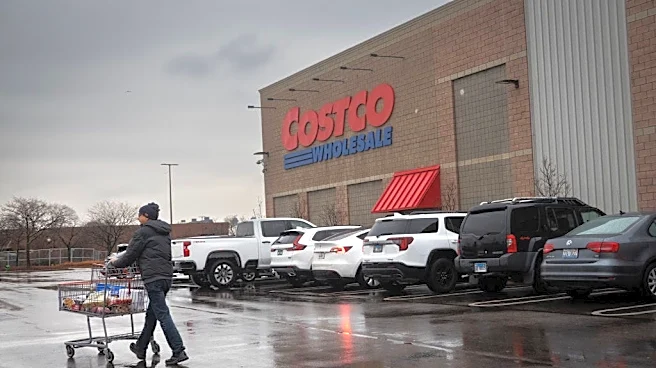
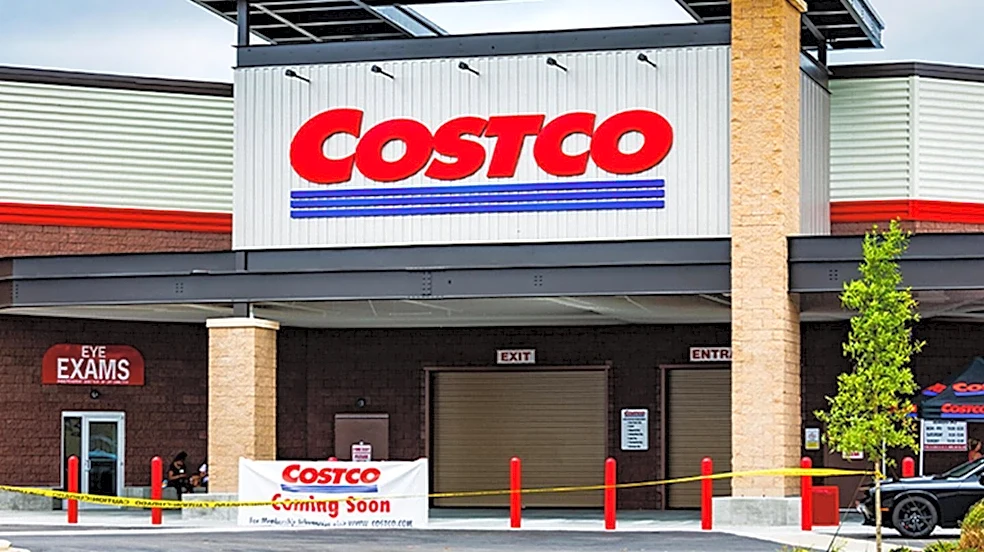
Costco is selling the 111-gallon Aerobin Composter, a product designed to help homeowners convert kitchen scraps and other organic waste into nutrient-dense compost. This composter, priced at $380, features a simple green and black aesthetic intended
to blend into a yard. It incorporates an internal lung system to enhance air circulation and minimize odors, which can deter pests. Additionally, the Aerobin filters out compost leachate, a liquid byproduct that can be used as a fertilizer tea. The composter's insulation helps it retain heat, accelerating the composting process significantly compared to standard models. A smaller 55-gallon version is also available for those with less outdoor space or fewer scraps. Customer reviews on Costco's website generally praise the product for its high-quality compost production and ease of use, with many noting the rich, earthy smell of the finished product.
Why It's Important?
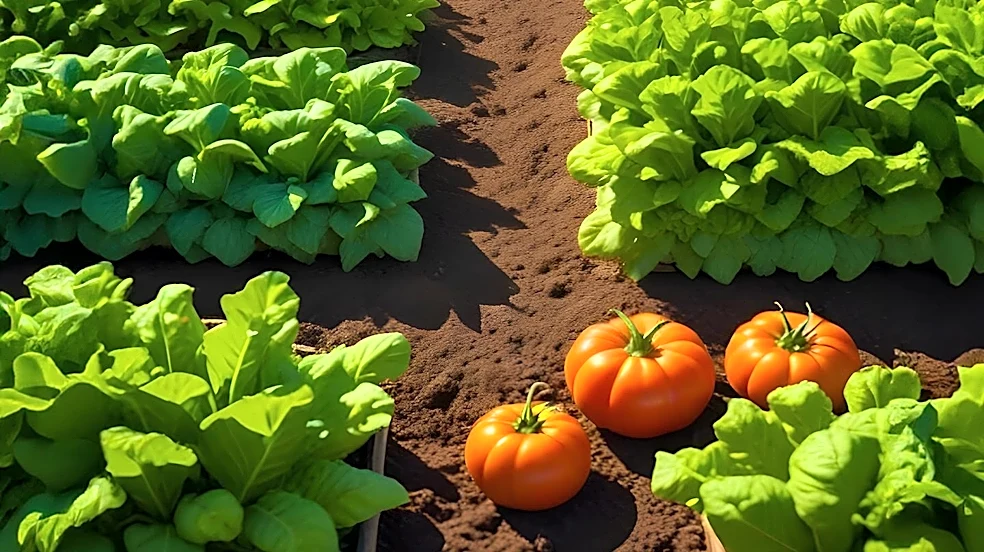
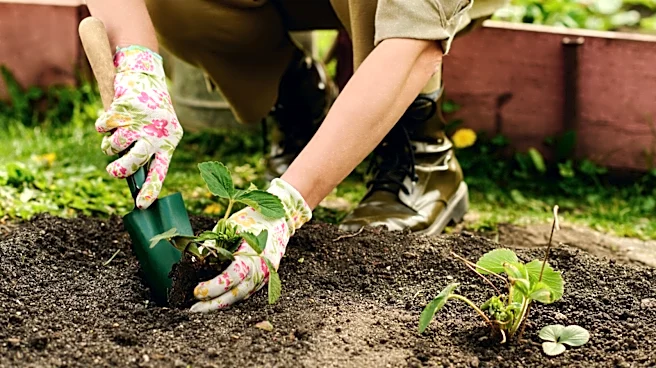
The availability of products like the Aerobin Composter at major retailers such as Costco highlights a growing consumer interest in sustainable living practices and home-based waste reduction. Composting at home offers several environmental benefits, including diverting organic waste from landfills, which in turn reduces greenhouse gas emissions. For individuals, it provides a cost-effective way to produce nutrient-rich soil for gardening, reducing the need for chemical fertilizers. The design features of the Aerobin, such as odor reduction and accelerated composting, address common barriers to home composting, making it more accessible and appealing to a broader audience. This trend can contribute to a more circular economy at the household level, empowering consumers to manage their waste more responsibly and enhance their gardening efforts.
What's Next?
As consumer awareness and demand for eco-friendly solutions continue to rise, it is likely that more retailers will introduce similar composting products or expand their existing offerings. Manufacturers may focus on further innovations to improve efficiency, reduce footprint, and enhance user experience, potentially leading to more compact or technologically advanced composting systems. Educational initiatives, such as workshops on composting basics, could also see increased participation as more individuals seek to adopt these practices. The long-term impact could include a noticeable reduction in municipal waste streams and a greater emphasis on soil health in home gardening, potentially influencing agricultural practices on a smaller scale.
Beyond the Headlines
The increasing popularity of home composting reflects a broader cultural shift towards self-sufficiency and environmental consciousness. Beyond the immediate benefits of waste reduction and soil enrichment, engaging in composting can foster a deeper connection to natural cycles and a greater appreciation for resource management. It challenges the conventional 'take-make-dispose' model by encouraging individuals to view waste as a valuable resource. This practice can also serve as an entry point for other sustainable behaviors, such as reducing food waste, growing one's own food, and adopting other eco-friendly household habits. The ethical dimension lies in taking personal responsibility for one's environmental footprint, contributing to a collective effort to mitigate climate change and promote ecological balance.