


What's Happening?
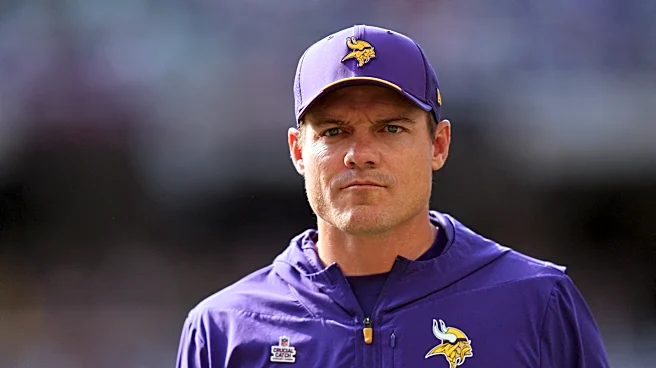
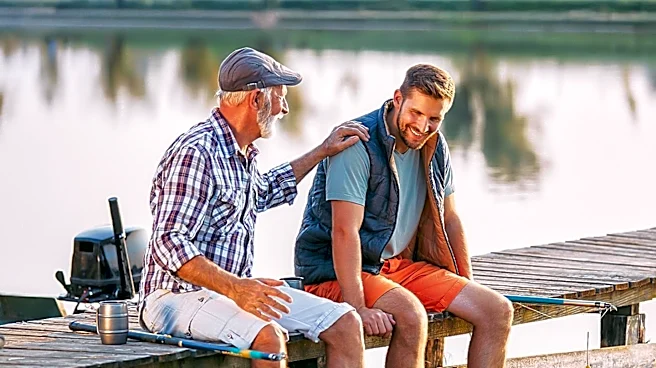
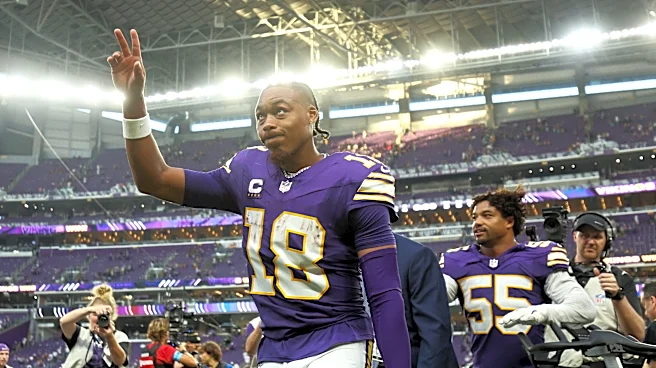
Former NFL wide receiver Randy Moss and current Minnesota Vikings head coach Kevin O'Connell recently bonded over their shared passions for fishing and football. Moss, an avid fisherman with his own Pro-Am Bassmaster tournament and YouTube show 'Chasing
10,' invited O'Connell to join him on the water. During their outing, the two discussed not only their love for fishing, which they both inherited from their fathers, but also the challenges and pressures of professional football, including the week-to-week grind and the difficulty of handling losses. Despite not catching any fish, they emphasized the value of making memories and enjoying time on the water.
Why It's Important?
This interaction highlights a less-seen aspect of professional sports figures, revealing their personal interests and the human connections that extend beyond their public roles. For fans, it offers a glimpse into the personalities of athletes and coaches, fostering a deeper sense of connection and relatability. For the Minnesota Vikings, the bond between a legendary former player like Moss and the current head coach O'Connell can subtly contribute to team culture and morale, even if indirectly. It also underscores the importance of hobbies and personal well-being for individuals in high-pressure professions, demonstrating how such activities can provide balance and perspective.
What's Next?
While this event is a personal interaction, it contributes to the ongoing narrative surrounding the Minnesota Vikings and its key figures. Such stories can enhance public perception of the team's leadership and its connection to its history. For Randy Moss, his continued engagement with fishing through his show and tournaments further establishes his post-NFL career identity. For Kevin O'Connell, these personal connections can help build rapport within the broader football community. The shared experiences discussed, such as handling pressure and losses, are ongoing themes in the NFL season.
Beyond the Headlines
The story delves into the psychological and emotional aspects of life for professional athletes and coaches. It illustrates that even individuals at the pinnacle of their careers seek solace and connection through shared interests outside of their demanding professions. The conversation between Moss and O'Connell about the pressures of football and the difficulty of losing sheds light on the mental fortitude required in the sport. It also subtly reinforces the idea that mentorship and shared experiences, even in informal settings, can play a role in the development and well-being of individuals within the highly competitive world of professional sports.