


What's Happening?
Slow tourism is gaining traction as a travel philosophy that prioritizes a more deliberate pace and profound connection with destinations. This approach encourages travelers to extend their stays in fewer locations, fostering a richer understanding of local
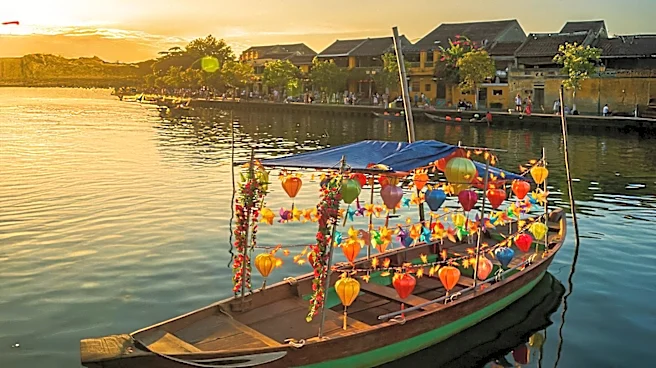
cultures and environments. Examples of this trend are evident in rural tourism, where service design plays a crucial role in cultivating a sense of place attachment. Specific destinations, such as Monsaraz in Portugal and various regions in India, are highlighted as ideal for slow travel, urging visitors to immerse themselves in the natural landscapes and historical sites rather than rushing through a packed itinerary. This method is presented as a rewarding alternative to conventional fast-paced tourism, offering opportunities for transformative experiences and personal reflection.
Why It's Important?
The emphasis on slow tourism reflects a broader shift in consumer preferences towards more authentic and sustainable travel experiences. For the U.S. tourism industry, this trend could lead to a re-evaluation of marketing strategies, moving away from high-volume, quick-visit models towards promoting longer stays and deeper engagement in less-trafficked areas. Businesses in rural and historically rich regions stand to gain as travelers seek out unique cultural and natural experiences. This could also influence infrastructure development, with a focus on enhancing local amenities and preserving natural beauty rather than solely building large-scale attractions. Furthermore, it could encourage local communities to develop and promote their unique heritage and environment, creating new economic opportunities and fostering a stronger sense of local identity.
What's Next?
As slow tourism gains momentum, we can anticipate a greater focus on developing travel packages and itineraries that cater to this preference. This might include promoting extended stays in national parks, historical towns, and cultural heritage sites across the U.S. Local tourism boards and businesses may invest in educational programs and guided experiences that offer deeper insights into the history, ecology, and culture of a region. There could also be an increased demand for accommodations that support longer stays, such as vacation rentals and boutique hotels that offer a more immersive local experience. Policy discussions might emerge around supporting sustainable tourism practices and protecting natural and cultural resources from over-tourism, ensuring that destinations can maintain their unique character for future slow travelers.
Beyond the Headlines
The rise of slow tourism has deeper implications for how individuals perceive and interact with the world. It challenges the modern inclination towards speed and efficiency, advocating for mindfulness and presence in travel. This shift could lead to a greater appreciation for local craftsmanship, traditional practices, and environmental conservation, as travelers become more invested in the well-being of the places they visit. Ethically, it promotes a more respectful form of tourism, reducing the negative impacts often associated with mass tourism, such as cultural commodification and environmental degradation. Culturally, it encourages cross-cultural understanding and genuine connection, fostering a sense of global citizenship. This movement could ultimately redefine the value of travel, shifting it from a checklist of sights to a journey of personal growth and meaningful engagement.