



What's Happening?
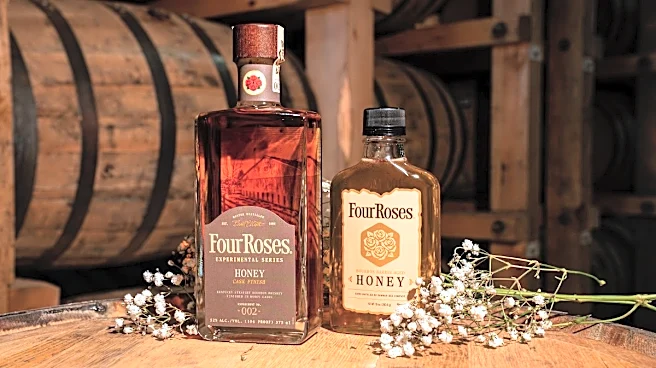
Four Roses Distillery has announced the release of Experimental Series No. 002 Honey Cask Finish, marking the second expression in its innovative Experimental Series. This new bourbon explores the life cycle of barrels beyond their initial use. The inspiration
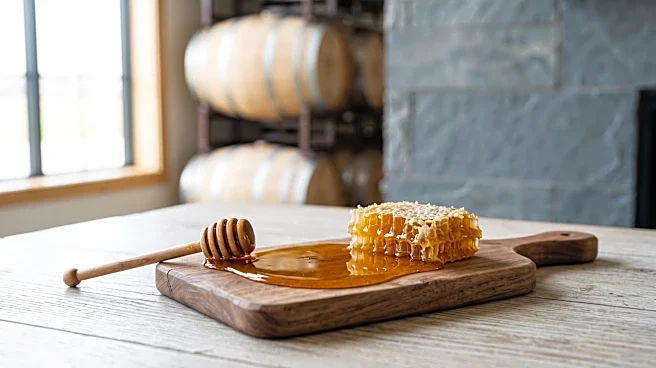
for this release stems from a partnership with local honey producer Bohman Bee Company, where barrels previously used to age the Distillery’s Bourbon Barrel Aged Honey are now being repurposed. After the honey was removed, these barrels were returned to Four Roses for a second fill with bourbon, aiming to impart subtle notes of natural honey while maintaining the brand's signature balance and spice. Master Distiller Brent Elliott highlighted the natural evolution of this release, noting that the honey presence is distinct but not overpowering. Experimental Series No. 002 is a blend of six-, seven-, and eight-year-old bourbons from the OESQ and OBSK recipes, which are then finished in the honey-seasoned barrels for a period ranging from three to nine months. The final product is blended and bottled at 104 proof to preserve the delicate balance between the classic Four Roses character and the nuanced influence of the honey casks.
Why It's Important?
This release is significant for the U.S. bourbon industry as it showcases Four Roses Distillery's commitment to innovation within its established framework. By introducing an Experimental Series, the distillery is pushing the boundaries of traditional bourbon production, which could influence other distilleries to explore similar barrel finishing techniques. The collaboration with a local honey producer also highlights a growing trend of distilleries engaging with local businesses and exploring sustainable practices by repurposing materials. For consumers, this offers a unique and limited-edition product that deviates from the standard flavor profiles, potentially attracting new enthusiasts to the brand and the bourbon category. The emphasis on preserving the 'signature balance and spice' while introducing new flavors demonstrates a careful approach to innovation, ensuring that the brand's core identity remains intact. This could set a precedent for how established brands can experiment without alienating their loyal customer base, contributing to the dynamic evolution of the American whiskey market.
What's Next?
Experimental Series No. 002 will be available exclusively at the Four Roses Distillery and Cox’s Creek Visitor Centers starting September 18. It will be sold in 375ml bottles at a suggested retail price of $55, plus applicable taxes, and will be available only while supplies last. This limited release strategy is likely to create high demand among bourbon collectors and enthusiasts, potentially leading to quick sell-outs. The success of this and previous experimental releases may encourage Four Roses to continue expanding its Experimental Series, introducing more unique finishes and blends in the future. Other distilleries will likely observe the market reception to this innovative approach, which could lead to a broader trend of barrel repurposing and unique finishing techniques across the U.S. bourbon landscape. The brand will continue to promote its products and the Experimental Series through its website and social media channels, further engaging with its audience and building anticipation for future releases.
Beyond the Headlines
The Honey Cask Finish bourbon represents more than just a new product; it signifies a deeper exploration into the craft of distilling and aging. The use of barrels previously seasoned with honey for bourbon aging introduces a novel dimension to flavor development, moving beyond traditional charring and wood types. This approach could inspire a broader conversation within the spirits industry about the potential of 'secondary' barrel uses and the impact of previous contents on the final spirit. Ethically, the collaboration with a local honey producer also underscores a commitment to community engagement and potentially sustainable practices, as it gives new life to barrels that might otherwise be discarded or used for less innovative purposes. This could foster a greater appreciation for the interconnectedness of local industries and the creative ways resources can be utilized, potentially influencing consumer preferences towards brands that demonstrate such innovative and community-minded practices.