




What's Happening?
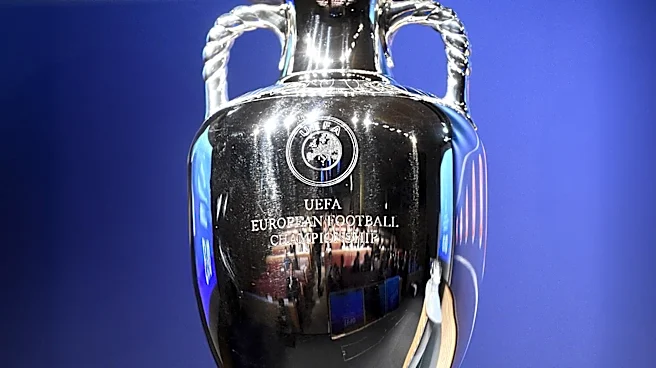
The Union of European Football Associations (UEFA) has clarified its policy on keeping national teams apart during competition draws, stating that such decisions are made on a case-by-case basis, primarily considering security risks. This clarification
came after the Football Association of Ireland (FAI) inquired about avoiding future pairings with Israel. FAI Chief Executive David Courell indicated that their request to prevent Ireland from being drawn against Israel, particularly after the February Nations League draw, was rejected. UEFA informed the FAI that a separation was deemed impossible because Ireland and Israel have never been in direct conflict, which is a key factor in their security risk assessment. The national teams' Nations League matches are scheduled for September 27 and October 4, with Ireland's home match to be held behind closed doors in Bačka Topola, Serbia, and Irish fans not receiving tickets for the match in Debrecen, Hungary, where Israel will be the formal home side. This follows a vote by FAI members last November to appeal to UEFA to suspend the Israel Football Association from European competitions, and a campaign in May by Irish footballers and show business representatives to boycott Ireland’s home Nations League match.
Why It's Important?
This UEFA clarification highlights the complex interplay between sports governance, international relations, and security concerns. The decision to assess national team separations based on direct conflict rather than broader political or social tensions sets a precedent for how UEFA manages sensitive geopolitical issues within its competitions. For U.S. sports organizations and international bodies, this approach could influence how they navigate similar requests from member associations facing political or security-related challenges. The FAI's unsuccessful request underscores the limitations national federations may face in dictating draw outcomes based on non-direct conflict reasons, potentially leading to increased scrutiny of UEFA's criteria for security risk assessments. The relocation of matches and restrictions on fan attendance also demonstrate the tangible impacts of these decisions on teams, supporters, and host nations, affecting revenue, fan engagement, and the overall sporting experience. This situation could prompt further discussions within international sports about the role of political considerations in sporting events and the balance between competitive fairness and security.
What's Next?
The upcoming Nations League matches between Ireland and Israel, scheduled for September 27 and October 4, will proceed under the current arrangements, including the relocation of Ireland's home match to Serbia and restrictions on fan attendance. This situation may lead to continued advocacy from the FAI and its supporters for a re-evaluation of UEFA's draw policies, particularly concerning the criteria for separating national teams. Other national football associations facing similar geopolitical sensitivities might also monitor UEFA's response and potentially raise their own concerns, pushing for more transparent or flexible guidelines. The Israel Football Association's focus remains on team preparation, suggesting they will proceed with the matches as planned. The broader implications could include a review of security protocols for international sporting events and potential adjustments to how UEFA communicates its decision-making processes regarding sensitive political matters. Future draws for UEFA competitions will likely be scrutinized more closely for how they address potential political or security flashpoints, influencing how international football navigates complex global dynamics.
Beyond the Headlines
The UEFA decision to deny Ireland's request to avoid playing Israel, based on the absence of 'direct conflict,' reveals a narrow interpretation of security risks that may not fully encompass the complexities of international relations and public sentiment. This approach could be seen as prioritizing a strict adherence to sporting regulations over broader ethical or political considerations, potentially alienating segments of the fan base and national associations. The FAI's previous vote to appeal for the suspension of the Israel Football Association and the boycott campaign by Irish footballers and celebrities indicate a significant moral and political dimension to this issue, which UEFA's current policy appears to sidestep. This situation highlights the ongoing tension between sports as a supposedly apolitical arena and the reality of its entanglement with global politics. It raises questions about the responsibility of international sports bodies to address the ethical concerns of their members and the public, especially when those concerns are rooted in human rights or international law. The long-term impact could be a growing demand for sports organizations to adopt more comprehensive and nuanced frameworks for assessing risks that extend beyond direct military conflict, reflecting a more interconnected and politically aware global sporting landscape.