





What's Happening?
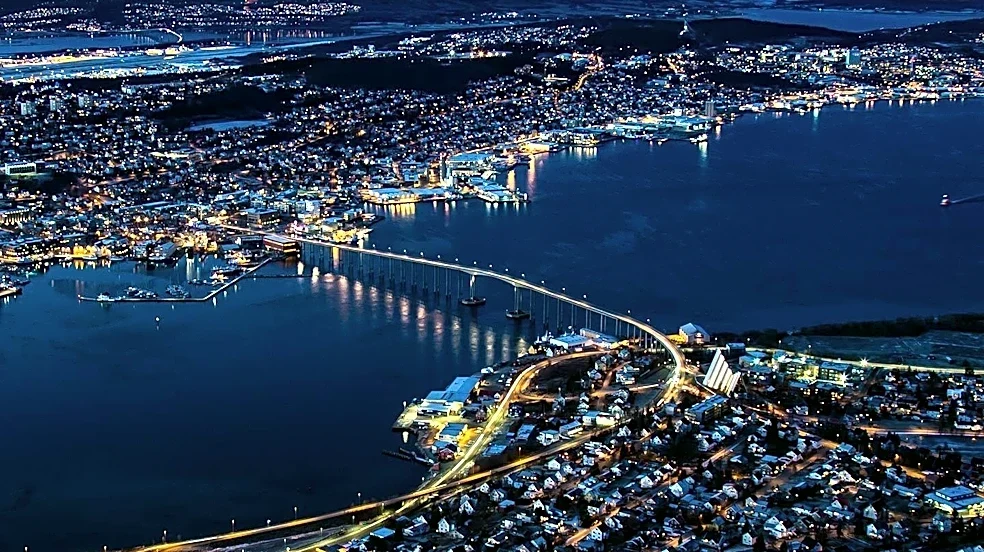
Tromsø, often referred to as the 'Gateway to the Arctic,' provides a diverse range of cultural and natural attractions that extend beyond the pursuit of the Northern Lights. While the aurora borealis is a significant draw, its appearance is not guaranteed,
depending on solar activity, darkness, and clear skies. Travelers to Tromsø in January can experience cultural events such as the Tromsø International Film Festival and the Northern Lights Festival, which focuses on music. The city's polar-night season, characterized by pink and violet skies around midday, offers a vibrant atmosphere with cafes, museums, and concert venues. Additionally, February 6 marks Sápmi National Day, with celebrations and cultural events across Sápmi communities. The region also boasts unique culinary traditions, including dishes made from local fish, berries, mushrooms, and reindeer, as well as the traditional preparation of stockfish in the Lofoten Islands. Sámi culture is also prominent, with opportunities to learn about it at the Sámi Museum Siida and the Sámi Cultural Centre Sajos in Inari, Finnish Lapland, showcasing traditional handicrafts (duodji) made from materials like wood, leather, horn, and textiles.
Why It's Important?
This perspective is important for U.S. travelers and the tourism industry as it highlights the value of planning Arctic trips with a broader appreciation for regional offerings, rather than solely focusing on a single, unpredictable natural phenomenon like the Northern Lights. For tourists, understanding that a trip to the Arctic can be fulfilling even without an aurora sighting can lead to more realistic expectations and a richer travel experience. It encourages engagement with local culture, history, and cuisine, fostering a deeper connection with the destination. For U.S. travel agencies and tour operators, this information can inform the development of more comprehensive and resilient travel packages, emphasizing cultural immersion, local gastronomy, and other unique Arctic activities. This approach can mitigate potential disappointment from missed aurora viewings, enhancing customer satisfaction and promoting sustainable tourism that supports local economies through diverse attractions. It also underscores the importance of cultural sensitivity, encouraging travelers to engage thoughtfully with Indigenous cultures rather than treating them as mere tourist attractions.
What's Next?
Travelers planning future trips to Tromsø and the broader Arctic region should consider allocating several nights for their stay to maximize the chance of seeing the Northern Lights while also building their itinerary around the region's other specific offerings. It is advisable to check local programs in advance for cultural events, as these can vary by town and year. Tour operators and travel guides may increasingly emphasize the diverse cultural, culinary, and historical aspects of Arctic destinations to provide a more holistic travel experience. This shift could lead to the development of new tour packages that highlight Sámi culture, local food traditions, and other winter activities, ensuring that visitors have a memorable trip regardless of aurora visibility. The focus will likely be on promoting the Arctic as a destination rich in experiences that do not solely depend on natural phenomena, encouraging a more informed and appreciative approach to Arctic tourism.
Beyond the Headlines
The emphasis on the broader Arctic experience beyond the Northern Lights touches upon deeper themes of sustainable tourism and cultural appreciation. It challenges the common tourist mindset of seeking singular, often Instagrammable, moments and instead promotes a more immersive and respectful engagement with a destination. Ethically, it encourages travelers to view Indigenous cultures, such as the Sámi, not as mere attractions but as living traditions with deep historical and contemporary significance. This approach can foster greater understanding and respect for local communities and their heritage. Environmentally, by diversifying attractions, it can potentially distribute tourist impact more evenly across different activities and locations, reducing pressure on specific sites or phenomena. Culturally, it highlights the resilience and richness of Arctic life, demonstrating that these regions offer profound experiences rooted in their unique environment, history, and people, irrespective of specific natural occurrences. This shift in perspective can lead to more meaningful and responsible travel practices in the long term.