
What's Happening?
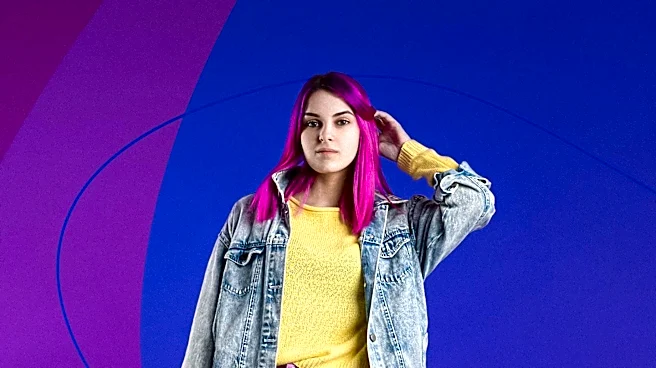
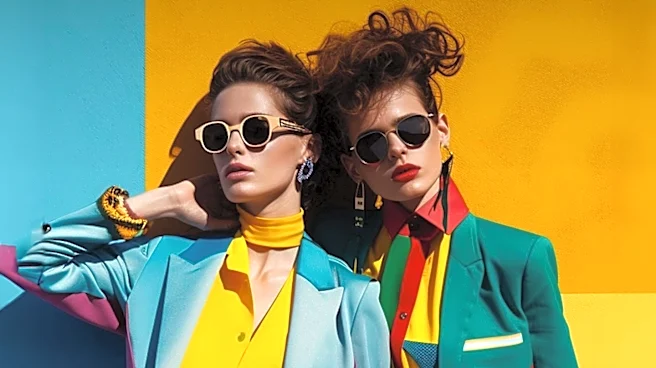
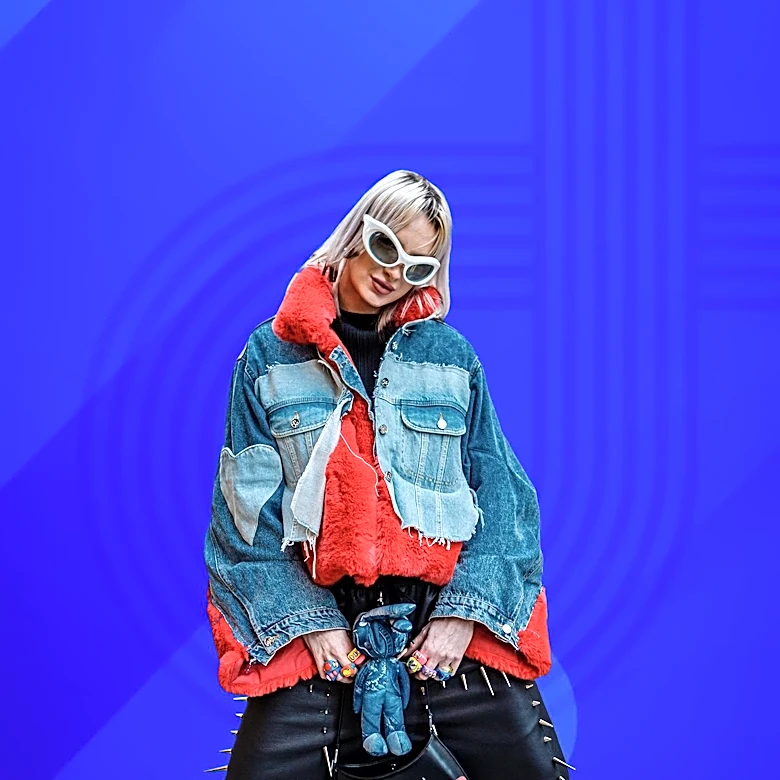
A significant resurgence of Y2K (early 2000s) nostalgia is evident across various aspects of American culture, particularly in active lifestyle and fashion. This trend is marked by the return of specific fashion items, such as the 'Jimi Hendrix jacket'
(also known as the Napoleon or hussar jacket), which has been seen on celebrities like Jenna Ortega, Margot Robbie, and Dua Lipa. This jacket, characterized by its braiding, metallic buttons, and decorative trim, is a direct callback to the 2000s indie-era style popularized by figures like Kate Moss. Beyond fashion, the Y2K aesthetic is influencing active lifestyle events, with outdoor movies and music events designed to evoke the early 2000s culture. The broader appeal of this nostalgia also extends to retro sneakers paired with oversized cargo pants, blending past and present styles. This cultural phenomenon reflects a collective look back at the turn of the millennium, impacting consumer choices and leisure activities.
Why It's Important?
The resurgence of Y2K nostalgia holds importance for several sectors, including the fashion industry, event planning, and consumer goods. For fashion, it signifies a cyclical nature of trends, where designers and brands are reinterpreting past styles for contemporary audiences. This creates new market opportunities for retailers and designers specializing in vintage or retro-inspired apparel. In the active lifestyle and entertainment sectors, the appeal of Y2K-themed events can draw larger crowds, particularly among millennials and Gen Z who are either reliving their youth or discovering the era for the first time. This trend also highlights the power of cultural memory and shared experiences in shaping current consumer preferences. Businesses that successfully tap into this nostalgic sentiment can gain a competitive edge by offering products and experiences that resonate deeply with a significant demographic, influencing purchasing decisions and leisure spending.
What's Next?
The trajectory of Y2K nostalgia suggests a continued integration into mainstream culture, with potential for further expansion into other industries. Fashion brands are likely to continue releasing collections inspired by the early 2000s, potentially exploring other iconic garments and accessories from the era. Event organizers may expand the scope of Y2K-themed activities, incorporating more elements like retro gaming, specific music genres, and food items from that period. We might also see a rise in collaborations between contemporary brands and figures or brands popular in the 2000s. The longevity of this trend will depend on its ability to evolve and adapt, moving beyond mere replication to innovative reinterpretations that keep the aesthetic fresh and relevant for new generations while satisfying the nostalgic cravings of older ones. This could lead to a sustained influence on product development and marketing strategies across various consumer markets.
Beyond the Headlines
Beyond its immediate impact on fashion and events, the Y2K nostalgia trend reflects deeper societal and psychological undercurrents. It can be seen as a collective yearning for a simpler, pre-digital age, or at least a time before the pervasive influence of social media and constant connectivity. The early 2000s represent a transitional period, bridging the analog and digital worlds, which may offer a sense of comfort and familiarity in an increasingly complex present. This cultural phenomenon also underscores the cyclical nature of history and fashion, where elements from the past are continually re-evaluated and re-contextualized. Ethically, it raises questions about sustainable consumption, as the rapid cycling of trends can contribute to fast fashion and waste. Culturally, it highlights how generations connect through shared aesthetics and experiences, fostering a sense of community and identity rooted in a specific historical moment.