




What's Happening?
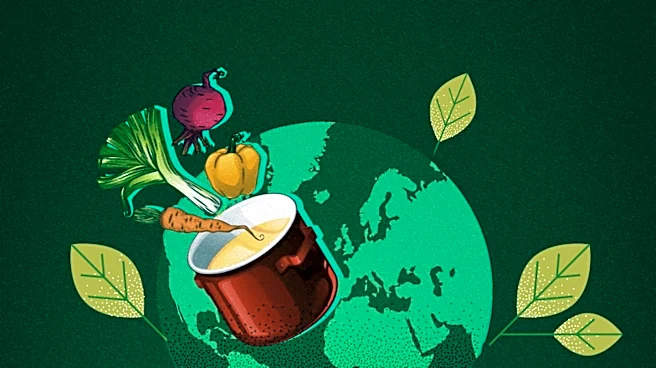
The dairy industry is increasingly focusing on upcycling, a process that transforms underutilized food materials and by-products into new, higher-value products. This initiative aims to enhance sustainability by reducing waste and creating functional
ingredients. For instance, in the ice cream sector, agro-industrial co-products, such as fruit peels and coffee silverskin, are being evaluated for their potential to improve nutritional and functional properties. Researchers are investigating how these materials can contribute to technological aspects like stabilization, water retention, and the incorporation of fibers and bioactive compounds in dairy products like cheeses, yogurts, and ice creams. The concept of upcycling in food is still evolving, with various interpretations depending on the material's original destination and its transformation process. This movement is part of a broader effort to recover valuable compounds like fibers, proteins, and polyphenols from agro-food waste for new applications.
Why It's Important?
The adoption of upcycling in the dairy industry holds significant importance for sustainability and economic development. By converting waste into valuable resources, it addresses environmental concerns related to food waste and promotes a circular economy. This approach can lead to the creation of innovative products with enhanced nutritional profiles and functional benefits, offering a competitive advantage in the market. For consumers, it could mean access to more sustainable and potentially healthier food options, especially as the demand for 'clean label' products grows. Economically, upcycling can generate new revenue streams for producers, reduce operational costs associated with waste disposal, and foster innovation within the food sector. It also presents an opportunity for regions with abundant agro-industrial by-products to develop new industries and create jobs, contributing to rural economic growth.
What's Next?
The future of upcycling in the dairy industry will likely involve continued research and development to identify and validate new applications for agro-industrial co-products. This includes rigorous evaluation of their composition, safety, stability, and technological behavior to ensure they meet industry standards and consumer expectations. Collaboration between academic institutions and the food industry will be crucial to translate research findings into commercially viable products. Furthermore, effective communication strategies will be essential to educate consumers about the benefits of upcycled foods, emphasizing their quality, nutritional value, and environmental advantages rather than focusing solely on their origin from 'waste.' The industry will also need to navigate regulatory aspects and consumer perceptions to ensure widespread acceptance and market penetration of these innovative products.
Beyond the Headlines
Beyond the immediate benefits of waste reduction and new product development, the widespread adoption of upcycling in the dairy industry could trigger a significant shift in how food systems are perceived and managed. It challenges the traditional linear model of production and consumption, moving towards a more regenerative approach. This paradigm shift could lead to a re-evaluation of what constitutes 'waste' and foster a culture of resourcefulness and innovation across the entire food supply chain. Ethically, it promotes responsible consumption and production, aligning with global efforts to combat climate change and resource depletion. Culturally, it could influence consumer attitudes towards food, encouraging a greater appreciation for sustainability and the ingenuity involved in transforming overlooked materials into valuable goods. The long-term implications include a more resilient and environmentally friendly food system, capable of meeting the demands of a growing population while minimizing its ecological footprint.