


What's Happening?
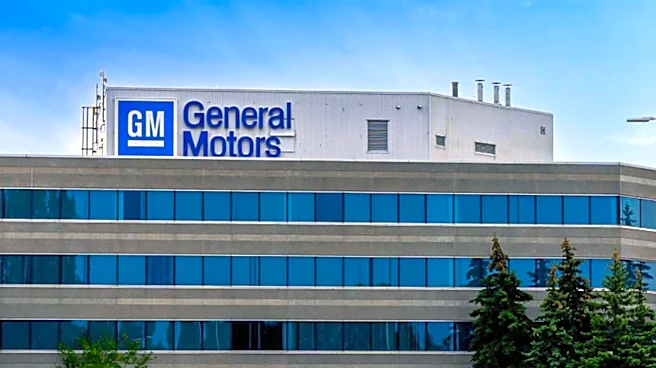
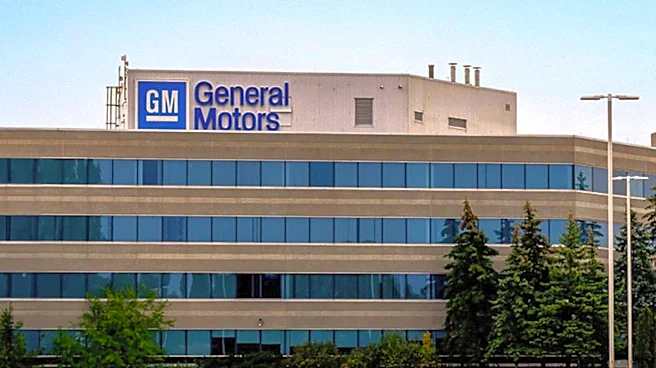
General Motors Company (GM) is actively evaluating its CEO succession plan, with Sterling Anderson, global product director, emerging as a leading candidate to potentially succeed long-serving CEO Mary Barra. This move signals a strategic shift towards
prioritizing expertise in software and autonomous driving within the automaker's leadership. The board is considering various options for Barra, who approaches her 65th birthday, including her remaining CEO until next year or transitioning to an executive chair role. While Anderson's technical background aligns with the board's vision for a software-defined industry, directors are assessing his readiness to lead a major traditional manufacturer after less than 18 months with the company. Financial Chief Paul Jacobson is also a viable internal option, particularly given Wall Street's favorable view of his financial acumen, which has contributed to a significant increase in GM's stock price through share repurchases.
Why It's Important?
This leadership succession planning at GM is crucial as the company navigates a pivotal period in the automotive industry. The emphasis on software and autonomous driving expertise for the CEO role underscores the profound transformation occurring in vehicle manufacturing, moving beyond traditional hardware to advanced technology. This shift reflects the increasing importance of artificial intelligence and software in defining the future of transportation. The decision will impact GM's strategic direction, its ability to compete with emerging tech-focused automotive players, and its position in a challenging U.S. automotive market. The selection of a leader with a strong background in these areas could accelerate GM's development cycles and its rollout of advanced autonomous features, potentially giving it a competitive edge against both established rivals and new entrants like Chinese manufacturers BYD Co. and Geely Automobile Holdings Ltd. if they gain local production access in the U.S.
What's Next?
The GM board, with the assistance of executive search firm Heidrick & Struggles, will continue to evaluate both internal and external candidates for the CEO position. While Sterling Anderson is a frontrunner due to his software and autonomous driving background, the board will weigh his relatively short tenure at GM against the need for experienced leadership in a large traditional manufacturing environment. Paul Jacobson remains a strong internal contender, especially if the board determines that Anderson requires more experience. Mark Reuss, the 63-year-old president, is expected to play a central role in any transition, though his age makes him a less likely candidate for the CEO post. The outcome of these deliberations will determine the future strategic direction of GM, particularly concerning its investment and focus on advanced automotive technologies and its competitive response to evolving market dynamics.
Beyond the Headlines
The potential succession at GM highlights a broader trend across traditional industries: the increasing demand for leaders with deep technological expertise. This shift signifies that even in long-established sectors like automotive, the ability to innovate and lead in areas such as artificial intelligence and software is becoming paramount, often outweighing traditional financial or manufacturing experience. The substantial compensation package offered to Anderson upon his arrival, exceeding that of current CEO Mary Barra, further underscores the premium placed on these specialized skills. This development could set a precedent for other legacy companies, signaling a future where technological proficiency is a primary criterion for top executive roles, potentially reshaping corporate leadership structures and talent acquisition strategies across various sectors.