






What's Happening?
On October 7, 1935, the Detroit Tigers achieved their first World Series championship, defeating the Chicago Cubs 4-3 in Game 6 at Navin Field. This victory came after four previous World Series appearances had ended in defeat for the Tigers. The decisive
moment occurred in the bottom of the ninth inning when Goose Goslin delivered the winning hit, scoring Mickey Cochrane. Pitcher Tommy Bridges played a crucial role by escaping a difficult situation in the top of the ninth, preventing the Cubs from taking the lead. The 1935 team featured several future Hall of Famers, including Hank Greenberg, Charlie Gehringer, Mickey Cochrane, and Goslin, establishing Detroit's reputation as a historic baseball franchise.
Why It's Important?
The 1935 World Series victory was profoundly significant for Detroit, extending beyond the realm of baseball. The city was grappling with the severe economic effects of the Great Depression, and the Tigers' championship provided a much-needed source of collective celebration and civic pride. This triumph offered a temporary respite from hardship, uniting residents in a shared moment of joy. For the franchise, it solidified their place in baseball history and laid the groundwork for future successes, including additional World Series titles in 1945, 1968, and 1984. The event underscored the powerful role of sports in community building and morale during challenging times.
What's Next?
While the 1935 victory is a historical event, its legacy continues to influence the Detroit Tigers franchise and its fan base. The team's subsequent World Series wins in 1945, 1968, and 1984 built upon this initial success, creating a rich history that current and future teams strive to uphold. The story of the 1935 team, particularly the clutch performances of Goslin and Bridges, remains a touchstone for discussions about the greatest moments in Tigers history. The franchise will continue to honor these historical achievements as it pursues future championships, aiming to inspire new generations of fans.
Beyond the Headlines
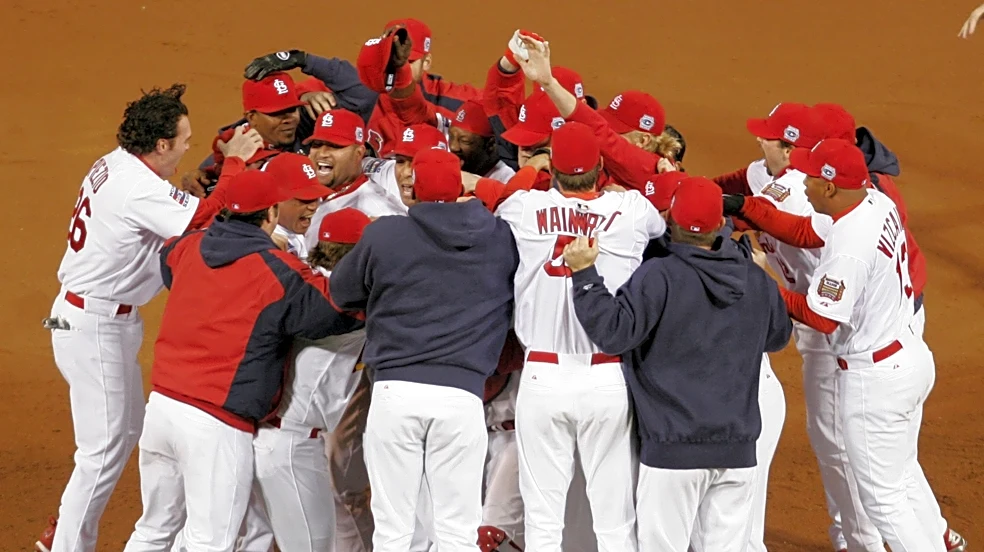
The 1935 World Series win highlights the deep connection between sports and societal context. During the Great Depression, a baseball championship offered more than just entertainment; it served as a symbol of hope and resilience for a city facing immense economic strain. The collective celebration in downtown Detroit after the victory illustrates how sports can foster a sense of community and shared identity, transcending individual struggles. This historical event also underscores the enduring appeal of underdog stories and the emotional impact of a team finally achieving a long-sought goal, shaping the cultural narrative of both the team and the city it represents.